Jryn Eye Clinic Busan (Seomyeon) · SMILE LASIK · EVO+ Visian ICL · Cataract & Retina Center · Tel: +82-51-710-1004
en-US

1:1 Consultation
CLINICAL ARTICLE & GUIDE
Keratectasia Care Costs: Saving 60% via Korean Specialist Clinics
The landscape of refractive surgery has evolved rapidly, but so has the management of its most challenging complication: Keratectasia .
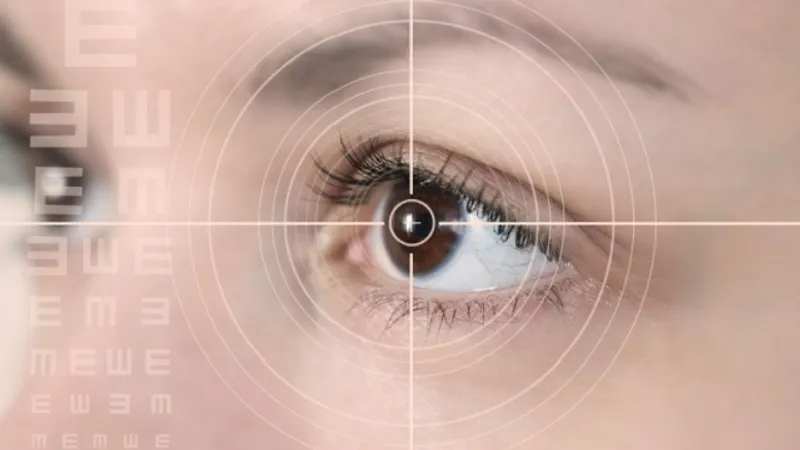
The landscape of refractive surgery has evolved rapidly, but so has the management of its most challenging complication: Keratectasia. In South Korea, a global hub for vision correction, the prevalence of post-LASIK ectasia remains low due to rigorous screening, yet the sheer volume of surgeries performed over the last two decades means a significant number of patients are now seeking corrective care. According to Korean medical market reports, the cost of advanced corneal stabilization and specialized lens fitting in Seoul or Busan can be up to 60% lower than in Japan or the United States, despite using identical or superior Swiss and German technology.
This article examines why patients—both local and international—are increasingly turning to specialized Korean centers like Jryn Eye Clinic to manage corneal thinning and bulging. For the 30–70 age demographic dealing with fluctuating vision or "ghosting" images after previous surgery, understanding the intersection of cost-efficiency and high-precision medical technology is vital for long-term ocular health.
Why is Keratectasia Treatment in Korea More Cost-Effective?
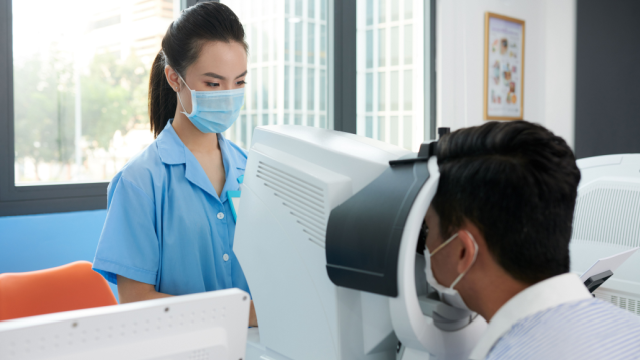
Keratectasia, a condition where the cornea thins and begins to bulge outward, requires highly specialized intervention to prevent permanent vision loss. In many Western countries, the treatment pathway is often fragmented and expensive. In contrast, Korea’s "One-Stop" medical system reduces overhead through high patient throughput and integrated diagnostic-to-surgery pipelines.
Common Cost & Utilization Benchmarks
- Cost Ratio: Recent data suggests that corneal cross-linking (CXL) and specialized scleral lens fittings in Korea cost approximately 0.4 to 0.5 times the price of equivalent procedures in Tokyo or New York.
- Procedure Frequency: High-volume clinics in Korea often perform more corneal stabilization procedures per month than many general eye hospitals in Europe, leading to greater surgical "muscle memory" and efficiency.
- Technology Access: Because Korea is a primary market for companies like ZEISS and STAAR Surgical, the latest diagnostic platforms are adopted 1–2 years earlier than in many other regions.
Current Standard Approaches & Limitations in Corneal Care
The traditional management of Keratectasia often involves a reactive "wait and see" approach or the use of rigid gas permeable (RGP) lenses. However, these methods have distinct limitations:
- Standard RGP Lenses: Can be uncomfortable for long-term wear and do not stop the progression of corneal thinning.
- Traditional Penetrating Keratoplasty (Corneal Transplant): Highly invasive, requires long recovery times, and carries a risk of graft rejection.
- Repeat Refractive Surgery: Attempting to "fix" ectasia with more LASIK is a dangerous common mistake that can worsen the structural integrity of the eye.
Key Pain Points:
- Downtime: Traditional transplants can take 6–12 months for full visual recovery.
- Cumulative Costs: Repeatedly changing prescriptions and basic lenses leads to higher lifetime spending compared to one-time stabilization.
The Innovative Approach: Corneal Cross-Linking (CXL) and Specialized Stabilization
The modern gold standard for treating Keratectasia at Jryn Eye Clinic is Corneal Cross-Linking (CXL). This is a minimally invasive regenerative-style therapy designed to strengthen the chemical bonds within the corneal stroma.
How Corneal Cross-Linking Works
By applying Riboflavin (Vitamin B2) drops followed by controlled Ultraviolet (UVA) light, the procedure creates new "cross-links" between corneal collagen fibers. Think of it as adding internal structural beams to a weakening building.
Is Keratectasia Treatment in Korea worth the cost?
Yes. By choosing a Korean specialist clinic, patients can access FDA and CE-approved CXL protocols at a 60% discount compared to other developed nations. This proactive stabilization prevents the need for a future, far more expensive corneal transplant, offering a high return on investment for long-term vision.
Data & Outcomes: Comparing Conventional vs. Advanced Paths
The shift toward minimally invasive stabilization has changed the "cost curve" for patients. While the upfront cost of CXL or ICL (Implantable Collamer Lenses) for ectasia might seem higher than a pair of glasses, the outcome metrics favor the advanced path.
| Feature | Conventional Path (Lenses/Wait) | Advanced Path (CXL / Specialized Care) |
|---|---|---|
| Primary Goal | Temporary Vision Correction | Structural Stabilization |
| Progression Risk | High (Cornea continues to thin) | Significantly Reduced |
| Long-term Cost | High (Due to potential transplant) | Lower (One-time stabilization) |
| Recovery Time | Immediate (but temporary) | 1–7 days for epithelial healing |
| Patient Satisfaction | Moderate/Low | High (due to stability) |
Local Korea Insights: High-Tech and Fast Recovery
Korean patient expectations are among the most demanding in the world, emphasizing fast recovery and transparency. This has driven clinics to adopt AI-assisted corneal mapping and 3D diagnostic systems that can predict ectasia progression with 99% accuracy.
Furthermore, the South Korean government’s support for medical tourism ensures that international patients receive the same high-standard care as locals, often with dedicated English-speaking coordinators. This tech-driven, patient-centric environment makes Korea a primary destination for those whose previous surgeries have failed or resulted in complications.
Where Jryn Eye Clinic Fits in Keratectasia Care in Korea
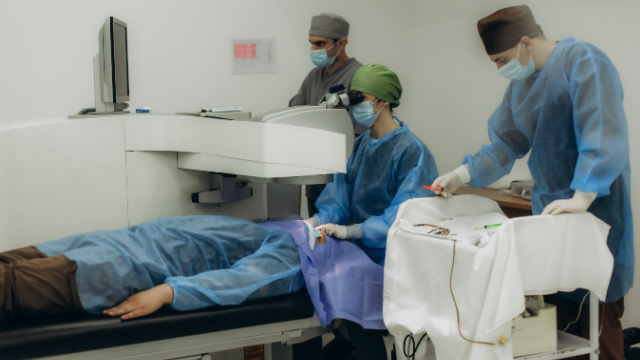
Jryn Eye Clinic distinguishes itself as a "Rescue Clinic" for surgical complications. While many centers focus only on primary LASIK, Jryn specializes in the complex management of Keratectasia and post-surgical irregular astigmatism.
- Specialized Protocols: Jryn utilizes the VISUMAX system and high-definition 3D diagnostics to create a "1:1" customized treatment plan.
- Expert Oversight: Led by doctors like Dr. Sang Youp Han, who holds over 20 years of clinical experience, the clinic integrates international safety standards (FDA, CE) with local surgical precision.
- Holistic Stabilization: The clinic doesn't just treat the "bulge"; they focus on the patient's entire visual ecosystem, often combining CXL with specialized lens implants to restore functional vision.
Conclusion
Keratectasia remains a serious challenge, affecting a notable percentage of the post-refractive surgery population. While conventional care often fails to stop the disease's progression, advanced Corneal Cross-Linking in Korea offers a scientifically proven, cost-effective way to save your sight. By leveraging Korea's high-tech infrastructure and lower procedural costs, patients can achieve stabilization and peace of mind.
Patients considering Keratectasia Treatment in Korea can schedule a consultation at Jryn Eye Clinic to discuss whether this advanced stabilization approach is suitable for their specific corneal profile and long-term vision goals.
Ready for a Personalized 1:1 Eye Consultation?
Schedule your comprehensive 3D eye examination with Chief Director Dr. Sang-Youp Han and our ophthalmology team on the 14th floor of JRYN Medical Center in Seomyeon, Busan.