Jryn Eye Clinic Busan (Seomyeon) · SMILE LASIK · EVO+ Visian ICL · Cataract & Retina Center · Tel: +82-51-710-1004
en-US

1:1 Consultation
OPHTHALMOLOGY PROCEDURE
Keratectasia Treatment
Explore effective treatments for Keratectasia, a condition causing thinning of the cornea, including crosslinking, corneal implants, and advanced surgical options.
What Is Keratectasia Treatment?
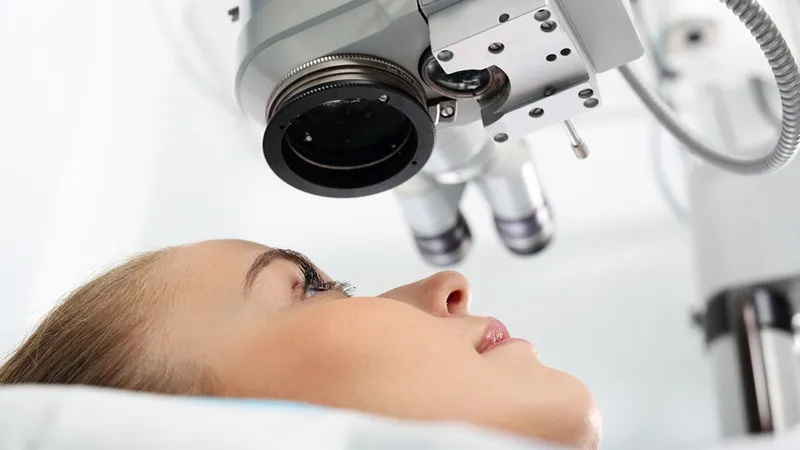
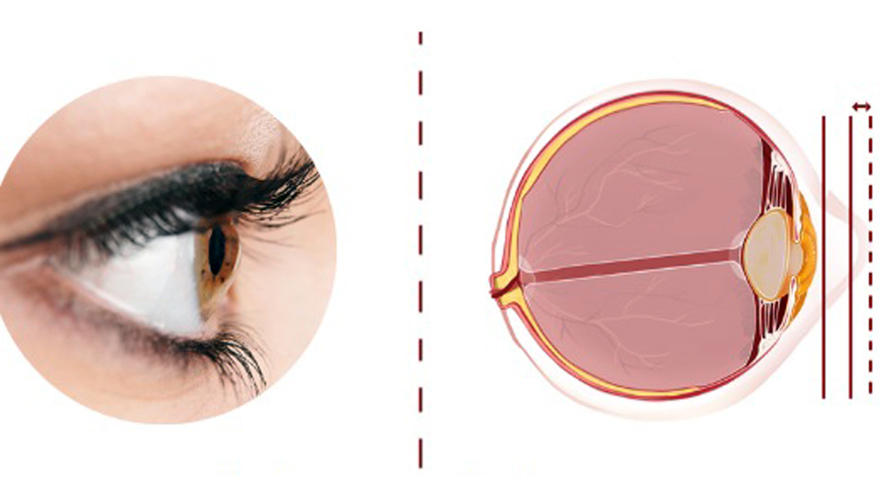
Keratectasia treatment addresses a rare but serious complication that can occur after refractive vision correction procedures such as LASIK or PRK. Keratectasia develops when the cornea becomes structurally weakened, leading to progressive thinning, bulging, and visual distortion. Without appropriate intervention, vision quality can deteriorate significantly over time.
This treatment focuses on stabilizing the cornea rather than reshaping it. Unlike standard vision correction procedures that aim to reduce refractive error, keratectasia treatment prioritizes preserving corneal strength and preventing further progression. The goal is to maintain usable vision and reduce the risk of long-term complications that could require more invasive surgical solutions.
Within the broader specialty of treating surgical complications, keratectasia management requires advanced diagnostics, cautious decision-making, and a conservative approach. Each treatment plan is individualized, recognizing that corneal healing responses and disease progression vary widely among patients.
Who Needs Keratectasia Treatment?
Keratectasia treatment is intended for patients who have developed corneal instability after prior refractive surgery and are experiencing progressive visual changes.
This treatment may be appropriate for:
● Adults typically in their 20s to 50s with post-surgical corneal thinning
● Patients diagnosed with post-LASIK or post-PRK ectasia
● Individuals noticing increasing astigmatism or visual distortion
● Patients with progressive changes on corneal imaging
● Individuals seeking to prevent further vision loss
● Patients advised against additional refractive laser procedures
● Those prioritizing long-term corneal safety over cosmetic vision correction
Early evaluation is critical, as intervention is most effective before advanced corneal deformation develops.
Meet the Specialists in Surgical Complication Management
|
|
|



Jryn Eye Clinic is proud to host a team of specialists who have dedicated their careers to the most challenging aspects of ophthalmology. With over two decades of experience, Dr. Sang Youp Han, Dr. Heo Joong Gu, and Dr. Lee Jae Jung are recognized leaders in the field of refractive rescue and corneal stability.
Dr. Sang Youp Han is an expert in corneal biomechanics, focusing on how the eye's structure reacts to surgical intervention. He has spent over 20 years refining techniques to treat iatrogenic ectasia with high success rates. Dr. Heo Joong Gu specializes in advanced diagnostic imaging, utilizing state-of-the-art topography to detect the earliest signs of corneal thinning, allowing for earlier and more effective Keratectasia Treatment. Dr. Lee Jae Jung is a specialist in surgical revision, often handling the most complex complication management cases referred from other centers.
Our team’s shared care philosophy is centered on the principle of "Refractive Responsibility." We believe that the duty of an ophthalmologist extends far beyond the initial surgery; it includes the lifelong management of the patient's ocular health. Our approach is evidence-based and patient-centered, ensuring that those suffering from surgical complications receive an empathetic, highly technical, and integrative care plan designed to restore both their vision and their peace of mind.
Keratectasia Treatment Areas and Expected Improvements
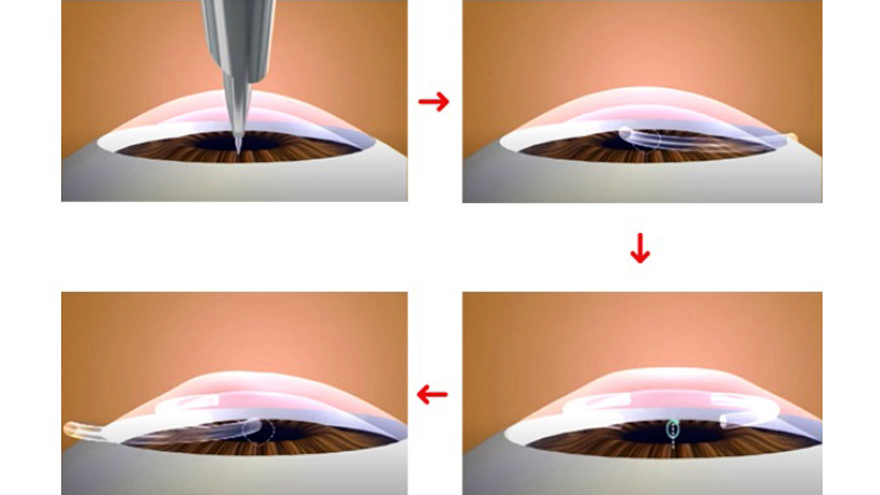
Keratectasia treatment targets the corneal structure, focusing on its biomechanical integrity rather than surface refractive shape.
Primary areas addressed include:
● Central and paracentral corneal tissue
● Areas of thinning or biomechanical weakness
● Regions showing progressive steepening
Expected improvements may include stabilization of corneal shape, reduced progression of astigmatism, and preservation of functional vision. While visual clarity may improve modestly in some cases, the primary goal is disease control rather than refractive perfection. Outcomes vary based on disease stage, corneal response, and prior surgical history.
Keratectasia Treatment Process and Timeline
Keratectasia management follows a structured and cautious clinical pathway to ensure safety and accuracy.
Comprehensive diagnostic consultation: Advanced imaging evaluates corneal thickness, shape, and progression patterns.
Risk stratification and treatment planning: The care team determines whether stabilization therapy is appropriate and when to intervene.
Corneal stabilization procedure: Treatment such as collagen cross-linking is performed to reinforce corneal tissue.
Immediate post-treatment care: Patients receive protective measures and guidance for corneal healing.
Scheduled follow-up assessments: Corneal imaging monitors treatment response and long-term stability.
Ongoing visual management: Vision correction strategies may be adjusted conservatively if needed.
Downtime varies depending on the treatment approach, with temporary discomfort or light sensitivity possible during early recovery.
Keratectasia Treatment Results, Safety, and Longevity
Keratectasia treatment is designed to stabilize, not reverse, corneal damage. When performed at an appropriate stage, treatment can significantly reduce the risk of further progression and long-term vision deterioration.
The safety profile is well-established when protocols are followed carefully. Temporary side effects may include eye discomfort, light sensitivity, or blurred vision during healing. Serious complications are uncommon but possible, and all risks are discussed thoroughly during consultation.
Longevity of results depends on individual corneal response and adherence to follow-up care. Many patients maintain stable corneal structure for years after treatment.
Why Choose JRYN Eye Clinic for Keratectasia Treatment?
JRYN Eye Clinic provides specialized expertise in managing complex post-surgical corneal complications. Treating keratectasia requires restraint, precision, and experience with advanced diagnostic interpretation.
The clinic’s ophthalmology team focuses on conservative decision-making, prioritizing corneal safety over aggressive intervention. Each patient receives a customized plan based on disease severity, visual needs, and long-term risk assessment. The clinic regularly manages international and English-speaking patients seeking expert evaluation for complex refractive surgery complications.
Key strengths include:
● Advanced corneal imaging and diagnostic accuracy
● Experience in post-refractive surgery complications
● Evidence-based corneal stabilization protocols
● Long-term patient monitoring and care continuity
Real Patient Examples and Testimonials
Keratectasia Treatment After LASIK : After noticing progressive blurring and visual distortion several years after LASIK, this patient sought evaluation for worsening astigmatism. Diagnostic testing confirmed early keratectasia. Following stabilization treatment and structured follow-up, the patient reported relief from anxiety about progression and improved confidence in maintaining functional vision. While visual sharpness varied slightly during healing, corneal measurements remained stable over time, allowing the patient to resume daily activities with reassurance and a clear long-term care plan.
Keratectasia Treatment After PRK : This patient experienced increasing glare and fluctuating vision after PRK surgery performed years earlier. Evaluation revealed corneal thinning with early biomechanical instability. After undergoing keratectasia treatment, the patient reported reduced visual fluctuation and greater comfort in daily visual tasks. Ongoing monitoring showed stabilization of corneal shape, helping the patient avoid more invasive surgical options and regain confidence in long-term eye health management.
Take Control of Keratectasia Progression with Specialized Care
Keratectasia can be emotionally distressing, especially when it follows elective vision correction surgery. Early evaluation and expert management are essential to preserving corneal health and maintaining visual stability.
Request a comprehensive keratectasia evaluation to assess corneal stability, review advanced diagnostic findings, and receive a personalized treatment strategy focused on long-term safety, disease control, and informed decision-making for your vision.
Speak directly with the surgical complications care team to discuss symptoms, prior refractive surgery history, and next steps for diagnostic testing and keratectasia management planning: +82517101004
Ready for a Personalized 1:1 Eye Consultation?
Schedule your comprehensive 3D eye examination with Chief Director Dr. Sang-Youp Han and our ophthalmology team on the 14th floor of JRYN Medical Center in Seomyeon, Busan.