Jryn Eye Clinic Busan (Seomyeon) · SMILE LASIK · EVO+ Visian ICL · Cataract & Retina Center · Tel: +82-51-710-1004
en-US

1:1 Consultation
CLINICAL ARTICLE & GUIDE
LASIK Re-Correction Pricing: Seoul Stable vs Japan Inflation Hikes
The global landscape for vision correction has shifted dramatically over the last few years.

The global landscape for vision correction has shifted dramatically over the last few years. While global medical inflation has driven up the cost of specialized secondary ophthalmic surgeries across Asia, South Korea’s highly competitive and technologically dense healthcare infrastructure has maintained remarkably stable pricing. For international patients—particularly those from neighboring countries like Japan, where macroeconomic shifts and specialized medical inflation have pushed the cost of complex secondary laser eye surgeries upward—Seoul has emerged as a critical hub for corrective ophthalmic care.
According to regional medical tourism market reports, patients seeking advanced secondary laser eye surgery find that premium, high-complexity revision procedures in Seoul remain highly cost-competitive. While an initial laser vision correction is common, a distinct subset of patients experiences "vision regression" (a gradual fading of visual acuity years after surgery), under-correction, or over-correction. Addressing these issues requires a sophisticated infrastructure. Ophthalmic data indicates that while primary surgeries enjoy high satisfaction rates, approximately 1% to 3% of patients globally may eventually require a secondary evaluation or touch-up, making predictable pricing and extreme technical precision paramount.
At Jryn Eye Clinic in Seoul, the focus centers entirely on addressing these complex post-operative anomalies and corneal structural variations. By stabilizing the cost curves of highly advanced procedures like LASIK, LASEK, and SMILE re-corrections, the Korean medical ecosystem allows patients to prioritize surgical expertise and strict safety protocols over prohibitive regional inflation.
Why Do Vision Regressions Happen After Laser Eye Surgery?
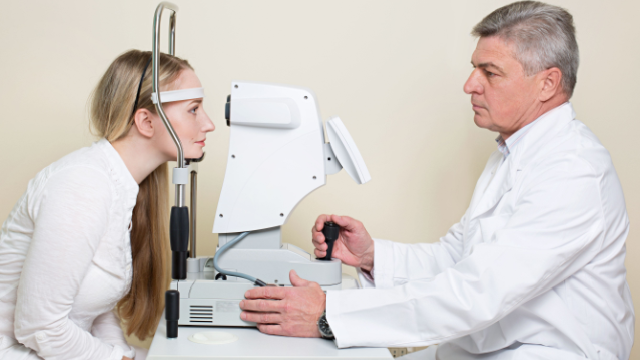
Primary refractive surgeries reshape the cornea to correct myopia, hyperopia, or astigmatism. However, the human eye is a living biological tissue that changes over time. Understanding the root causes of vision regression helps clarify why standard primary approaches cannot simply be repeated without advanced diagnostic planning.
Common Causes of Post-Operative Vision Changes
- Natural Axial Elongation: The eyeball can continue to elongate slightly over a lifespan, causing a mild return of nearsightedness that is entirely independent of the original laser surgery.
- Corneal Wound Healing Responses: The eye’s natural tissue repair mechanism may subtly alter the reshaped corneal contour over several years, leading to a regression toward the baseline refractive error.
- Epithelial Hyperplasia: The outermost layer of the cornea (the epithelium) occasionally thickens as it adapts to the new shape of the eye, masking the corrective changes made during the initial procedure.
Standard Re-Correction Approaches and Their Limitations
When a patient experiences vision regression or surgical complications from an initial procedure performed years prior, standard primary laser methods cannot be deployed blindly. Ophthalmic surgeons in Korea typically evaluate several conventional touch-up pathways, each presenting specific technical trade-offs.
The Main Re-Correction Modalities
Repeat Standard LASIK Flap Lifting: If the primary surgery was a LASIK procedure, surgeons can attempt to lift the original corneal flap to apply an excimer laser treatment underneath.
- Pros: Fast recovery, minimal post-operative discomfort.
- Cons: Risk of epithelial ingrowth (cells growing under the flap), flap tears, or interface fluid accumulation if the original flap interface is unstable or poorly documented.
Surface Ablation conversion (Standard PRK/LASEK): Scraping or dissolving the epithelium to apply the laser directly to the stromal bed without creating or lifting a flap.
- Pros: Eliminates flap-related complications entirely; preserves more corneal tissue.
- Cons: Extended, painful recovery periods lasting several days; higher risk of corneal haze or scarring on a previously operated eye.
The "Wait and See" Customary Approach: Prescribing rigid gas-permeable contact lenses or specialized eyeglasses instead of surgical intervention.
- Pros: Non-invasive, zero surgical risk.
- Cons: Substantial lifestyle friction for patients who explicitly invested in primary surgery to eliminate corrective lenses; difficult to fit lenses comfortably over an altered corneal anatomy.
Advanced Ophthalmic Re-Correction: High-Precision Custom Mapping
To overcome the boundaries of standard touch-ups, advanced ophthalmic care in South Korea utilizes custom structural mapping and specialized robotic-level laser tracking. Rather than treating the eye based on a simple eyeglass prescription, this advanced approach relies on comprehensive diagnostic synchronization to treat the eye as an entirely unique structural entity.
How Custom Mapping Works
The approach leverages dynamic Corneal Topography and Epithelial Mapping to build a three-dimensional digital twin of the patient's cornea. By measuring the precise thickness of the epithelium down to the micrometer, surgeons isolate exactly whether the vision loss is driven by true structural regression or minor epithelial thickening.
During the re-correction phase, advanced tracking software links this mapping directly to the laser systems. For instance, in patients who previously underwent SMILE surgery, specialized software like "Circle" technology can safely convert the old SMILE incision into a precise flap, preventing the need for deep, invasive tissue removal.
Minimizing Invasiveness Through Digital Precision
By mapping the exact remaining thickness of the corneal stroma, this high-precision technique ensures that the laser removes only the absolute minimum amount of tissue necessary to restore sharp vision. This preserves the structural integrity of the cornea and dramatically lowers the long-term risk of corneal ectasia (weakening and bulging of the cornea).
Is Ophthalmic Re-Correction in Korea Worth the Cost?
Yes. For patients facing vision regression or post-surgical complications, South Korea offers highly stable pricing for complex re-corrections compared to inflation-impacted markets like Japan. By combining a mandatory 50-test diagnostic screening with advanced technologies like Epithelial Mapping and Circle SMILE re-correction, Korean specialized clinics deliver highly predictable, structurally safe outcomes that preserve long-term corneal health.
Comparing the Paths: Conventional Touch-Ups vs. Advanced Custom Re-Correction
The long-term value of a vision correction procedure depends directly on the diagnostic accuracy established before the laser ever touches the eye. Below is a structural comparison mapping out how conventional re-correction pathways stack up against advanced, customized diagnostic and surgical re-corrections.
| Metric / Feature | Conventional Re-Correction Approach | Advanced Custom Re-Correction Protocol |
|---|---|---|
| Pre-Operative Diagnostics | Standard refraction test & basic topography (under 10 tests total) | Hyper-comprehensive screening (50+ distinct tests including Epithelial Mapping) |
| Surgical Precision Mechanism | Standard prescription entry into laser system | Robotic-level tracking linked to 3D corneal wavefront blueprints |
| Surgical Flexibility | Limited to basic PRK or risky manual flap lifts | Tailored LASIK, Cooling LASEK, or Circle SMILE re-corrections |
| Corneal Tissue Preservation | Variable; higher risk of over-thinning without depth mapping | Maximum preservation based on precise stromal depth calculations |
| Risk of Side Effects (Haze/Regrowths) | Moderate to High due to generic laser ablation profiles | Minimized via tailored surface smoothing and target tracking |
| Long-Term Visual Stability | Unpredictable if underlying structural issues are missed | High, anchored by genetic screening (Avellino DNA) and axis alignment |
Local Korea Insights: High Expectations and Advanced Safety Ecosystems
The evolution of South Korea’s refractive surgery landscape is heavily driven by local patient expectations. The domestic market demands rapid visual recovery, minimal disruption to daily life, and a data-backed guarantee of safety. This demanding consumer base has forced Seoul's eye clinics to operate at an elite level of efficiency and technological adoption.
Furthermore, South Korea's strict medical safety culture requires rigorous screening. Before secondary surgeries are approved, advanced clinics implement genetic screenings such as the Avellino DNA Test. This test screens for corneal dystrophy—a latent genetic condition that, if exposed to laser surgery, can cause severe corneal opacity. While standard clinics overseas may treat genetic testing as an optional add-on, top-tier Korean ophthalmic protocols embed it directly into the baseline diagnostic phase, providing an exceptional safety margin for both domestic and international patients.
Where Jryn Eye Clinic Fits in Refractive Re-Correction in Korea
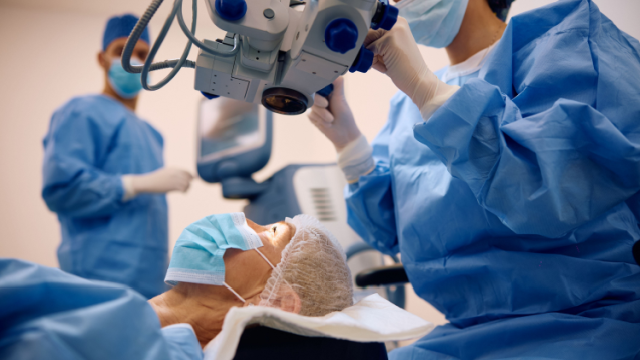
Within the highly specialized field of post-surgical revision and refractive re-corrections in South Korea, Jryn Eye Clinic positions its practice around precision, deep clinical data, and patient-centric safety. The clinic focuses intensely on managing under-corrections, over-corrections, and vision regression for patients who previously underwent LASIK, LASEK, or SMILE procedures at other institutions globally.
The clinic’s re-correction methodology is anchored by its "50-Diagnostic Marathon." Before any surgical intervention is greenlit, every patient undergoes more than 50 meticulous ocular tests—including corneal topography, epithelial mapping, and retinal scanning—to map the eye's structural health.
This diagnostic depth allows the surgical team to carefully match the patient to the ideal corrective modality:
- LASIK Re-Correction: Employing advanced flap-tracking technology and femtosecond lasers to navigate existing corneal flaps safely.
- Cooling LASEK: Utilizing specialized surface cooling techniques to protect thin corneas, manage post-operative discomfort, and accelerate epithelial healing.
- SMILE Re-Correction via "Circle" Technology: Executing highly intricate conversions of past SMILE pockets into pristine flaps for perfect secondary laser reshaping.
The clinic’s medical directors bring over 20 years of dedicated refractive surgery experience, including foundational leadership roles at major institutions like Samsung Eye Hospital and international recognitions in Marquis Who's Who. This extensive experience translates into a deeply refined clinical intuition for complex revision cases, allowing Jryn Eye Clinic to prioritize long-term structural safety and high-definition visual restoration over high-speed patient turnover.
Conclusion
Experiencing vision regression or post-operative complications after primary eye surgery can be stressful and disruptive. While standard touch-up methods often carry structural risks or prolonged recovery times, modern custom mapping and advanced re-correction technologies offer a highly precise, tissue-preserving alternative. By keeping pricing stable amidst global medical inflation and enforcing exceptional diagnostic safety standards, South Korea remains a premier destination for secondary vision correction.
Patients considering LASIK, LASEK, or SMILE re-correction in Korea can schedule a consultation to discuss whether this advanced diagnostic and surgical approach may be suitable for their specific corneal condition and long-term visual goals.
Ready for a Personalized 1:1 Eye Consultation?
Schedule your comprehensive 3D eye examination with Chief Director Dr. Sang-Youp Han and our ophthalmology team on the 14th floor of JRYN Medical Center in Seomyeon, Busan.