Jryn Eye Clinic Busan (Seomyeon) · SMILE LASIK · EVO+ Visian ICL · Cataract & Retina Center · Tel: +82-51-710-1004
en-US

1:1 Consultation
OPHTHALMOLOGY PROCEDURE
LASIK, LASEK, and SMILE Re-Correction
Explore LASIK, LASEK, and SMILE re-correction options for enhancing or adjusting vision after initial surgery, ensuring optimal results and clearer vision.

What Is LASIK, LASEK, and SMILE Re-Correction?
LASIK, LASEK, and SMILE re-correction refers to specialized treatment designed for patients who have previously undergone laser vision correction but continue to experience suboptimal visual outcomes. These outcomes may include residual nearsightedness, farsightedness, astigmatism, visual imbalance between eyes, or dissatisfaction with overall clarity and comfort.
Unlike primary vision correction surgery, re-correction requires a far more cautious and individualized approach. The cornea has already been altered, and further intervention must account for remaining tissue thickness, healing response, and long-term biomechanical safety. Re-correction is not simply a “second treatment,” but a tailored medical decision based on precise diagnostics and risk assessment.
Within the broader specialty of treating surgical complications, LASIK, LASEK, and SMILE re-correction focuses on restoring functional vision while prioritizing corneal health. Not all patients are candidates for additional laser treatment, and alternative strategies may be recommended when safety margins are limited.

Who needs LASIK, LASEK and SMILE Re-Correction Treatment?
Determining who is a candidate for re-correction requires a thorough analysis of the current refractive error and the health of the previous surgical site. It is not simply about "fixing" vision, but about ensuring the eye can safely undergo a secondary procedure.
Ideal Patient Profiles and Concerns:
● Patients Experiencing Regression: Individuals who had successful surgery 5–10 years ago but are now finding that their distance vision is becoming blurry again due to natural healing or eye growth.
● Under-corrected or Over-corrected Individuals: Patients in their 20s–40s who did not achieve their target vision immediately after their primary surgery and require a "fine-tuning" enhancement.
● Irregular Astigmatism Patients: Those experiencing "ghosting," double vision, or poor night vision (halos and glare) that resulted from a primary surgery that was not perfectly centered.
● High Myopia Revision Seekers: Patients who originally had very high prescriptions and have experienced a slight shift back toward nearsightedness.
● Patients with Stable Eye Health: Candidates must have a stable refractive error for at least 12 months and a healthy residual corneal thickness that meets international safety standards.
● Dissatisfied SMILE Patients: Individuals who underwent SMILE surgery but still require a small correction for residual astigmatism that cannot be addressed by another SMILE procedure.
● Safety-Conscious Individuals: Patients who are hesitant to undergo "more surgery" but want a specialist team with 20+ years of expertise to manage the risks and benefits transparently.
Meet the Specialists in Treatment of Surgical Complications
|
|
|



The re-correction team at Jryn Eye Clinic consists of three highly experienced ophthalmologists: Dr. Sang Youp Han, Dr. Heo Joong Gu, and Dr. Lee Jae Jung. With a combined legacy of over two decades in the field, these specialists are not just refractive surgeons; they are experts in "rescue" surgery and complication management.
Dr. Sang Youp Han is a leading authority on corneal flap management and has pioneered techniques for safely re-lifting flaps years after the original surgery. Dr. Heo Joong Gu specializes in the diagnostic mapping of irregular corneas, using high-resolution topography to plan re-corrections that minimize glare and night-vision issues. Dr. Lee Jae Jung is widely recognized for his expertise in LASEK-based re-correction, often recommending surface ablation as a safer alternative for patients with limited corneal thickness.
The shared care philosophy of our specialists is centered on "Ocular Conservation." We believe that the best re-correction is the one that uses the least amount of tissue while achieving the highest quality of vision. Our team operates with an evidence-based, patient-centered approach, ensuring that every patient is fully educated on the complexities of secondary surgery. At Jryn Eye Clinic, we prioritize long-term stability and the management of patient expectations, ensuring that your second surgery is your last surgery.
LASIK, LASEK, and SMILE Re-Correction Treatment Areas and Expected Improvements

Re-correction targets the corneal refractive surface and optical system, focusing on restoring balance and clarity rather than achieving absolute perfection.
Primary areas addressed include:
● Central visual axis
● Zones contributing to residual astigmatism
● Areas affecting visual symmetry between eyes
Expected improvements may include sharper distance or near vision, improved visual comfort, better night vision quality, and enhanced binocular balance. Results vary depending on corneal condition and prior surgical history, and complete spectacle independence cannot be guaranteed.
LASIK, LASEK, and SMILE Re-Correction Treatment Process and Timeline
Re-correction follows a careful, stepwise process designed to reduce risk and ensure informed decision-making.
Comprehensive diagnostic evaluation: Detailed imaging and visual analysis identify the cause of dissatisfaction.
Feasibility and safety assessment: Corneal thickness, stability, and healing response are reviewed.
Customized re-correction planning: Laser enhancement or alternative strategies are selected conservatively.
Treatment or intervention session: If appropriate, enhancement is performed using minimally invasive techniques.
Immediate postoperative care: Protective protocols and visual recovery guidance are provided.
Long-term follow-up and adjustment: Vision stability and satisfaction are monitored over time.
Downtime varies depending on the method used, with most patients resuming routine activities within days.
LASIK, LASEK, and SMILE Re-Correction Results, Safety, and Longevity
Re-correction outcomes depend heavily on proper patient selection and realistic expectations. When performed within safe parameters, re-correction can significantly improve visual clarity and comfort.
Safety is prioritized at every stage. Temporary dryness, glare, or visual fluctuation may occur during recovery. More serious complications are uncommon but possible, particularly if corneal limits are exceeded, which is why conservative planning is essential.
Longevity of results varies. Some patients maintain stable improvements for many years, while others may require ongoing visual management as natural aging changes occur.
Why Choose JRYN Eye Clinic for LASIK, LASEK, and SMILE Re-Correction?
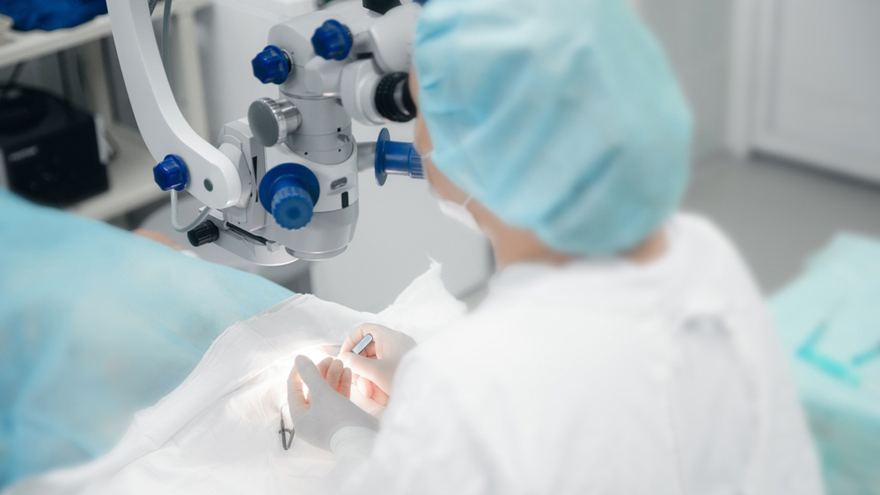
JRYN Eye Clinic specializes in complex refractive decision-making rather than routine surgery. Managing post-surgical dissatisfaction requires not only technical skill but also judgment, restraint, and experience with varied healing responses.
The clinic emphasizes individualized assessment, recognizing that not every patient benefits from additional laser treatment. Where re-correction is appropriate, it is performed with meticulous planning. Where it is not, patients receive honest guidance and alternative strategies to protect long-term eye health. The clinic routinely supports international and English-speaking patients seeking second opinions after prior surgery.
Key strengths include:
● Expertise in post-refractive surgery complications
● Advanced diagnostic imaging and interpretation
● Conservative enhancement philosophy
● Long-term visual outcome monitoring
Real Patient Examples and Testimonials
Post-LASIK Re-Correction Patient, 40s
After LASIK performed overseas, this patient experienced persistent visual imbalance and difficulty with night driving. Initial consultations elsewhere suggested limited options. At evaluation, subtle residual astigmatism and binocular imbalance were identified. Following a carefully planned re-correction strategy and postoperative monitoring, the patient reported noticeable improvement in visual comfort and reduced night glare. While vision was not described as “perfect,” the patient expressed relief at regaining functional confidence and understanding realistic expectations for long-term visual stability.
Post-SMILE Visual Dissatisfaction Patient, 30s
This patient sought care due to ongoing visual fluctuation after SMILE surgery, particularly during prolonged screen use. Diagnostic assessment revealed mild under-correction and ocular surface instability rather than corneal weakness. A staged management plan was implemented, including conservative enhancement consideration and visual rehabilitation. Over time, the patient reported improved clarity, reduced eye strain, and greater satisfaction with daily vision. The structured explanation of risks and benefits helped the patient feel informed and reassured throughout the process.
Re-Evaluate Your Vision with Expert-Guided Re-Correction Care
Persistent visual dissatisfaction after LASIK, LASEK, or SMILE can be frustrating and emotionally draining. A thorough evaluation can clarify whether further treatment is safe, beneficial, or unnecessary.
Schedule a detailed re-correction consultation to review your surgical history, undergo advanced diagnostic testing, and receive an individualized assessment focused on visual quality, corneal safety, and realistic outcome planning.
Contact the surgical complications care team to discuss your current symptoms, previous procedure details, and appropriate next steps for professional re-correction evaluation and long-term vision management: +82517101004
Ready for a Personalized 1:1 Eye Consultation?
Schedule your comprehensive 3D eye examination with Chief Director Dr. Sang-Youp Han and our ophthalmology team on the 14th floor of JRYN Medical Center in Seomyeon, Busan.