Jryn Eye Clinic Busan (Seomyeon) · SMILE LASIK · EVO+ Visian ICL · Cataract & Retina Center · Tel: +82-51-710-1004
en-US

1:1 Consultation
CLINICAL ARTICLE & GUIDE
Keratectasia Causes, Symptoms, and Treatment: Complete Guide
Introduction Vision is our primary connection to the world, but when the cornea—the clear front window of the eye begins to thin and bulge outward, everything changes. This condition is known as keratectasia.

Introduction
Vision is our primary connection to the world, but when the cornea—the clear front window of the eye begins to thin and bulge outward, everything changes. This condition is known as keratectasia. Whether it happens naturally or as a rare complication after vision correction surgery, understanding Keratectasia Causes and Symptoms is essential for saving your sight. Modern ophthalmology has made incredible leaps in treating this condition, particularly in medical hubs like South Korea, where advanced corneal technology is more accessible than anywhere else in the world.

What Is Keratectasia?
The cornea is responsible for focusing light into your eye. To do this, it must stay firm, round, and clear. Keratectasia occurs when the inner layers of the cornea weaken. Under the natural pressure of the eye, this weakened tissue begins to push forward into a cone-like shape.
This distortion prevents light from focusing correctly on the retina. The result is distorted, blurry vision that cannot always be fixed with standard glasses. It is often compared to a balloon that has a thin spot; as you blow air into it, the thin spot bulges out more than the rest.
Keratectasia Causes and Symptoms: What You Need to Know

Identifying the problem early is the best way to prevent permanent vision loss. Because the condition is progressive, knowing what to look for can lead to faster intervention.
Common Causes of Keratectasia
There are two primary ways a person develops this condition:
Natural Progression (Keratoconus): Some people are born with a genetic predisposition toward weaker corneal tissue. Over time, the cornea thins naturally, usually starting in the teenage years or early twenties.
Post-Refractive Surgery (Iatrogenic): In rare cases, surgeries like LASIK or PRK can leave the cornea too thin. If the remaining tissue is not strong enough to hold the eye's internal pressure, it begins to bulge. This is why thorough pre-operative screening is so vital.
Excessive Eye Rubbing: Chronic, vigorous eye rubbing is a major risk factor. The physical trauma of rubbing can break down the collagen fibers that give the cornea its strength.
Recognizable Symptoms
Early detection depends on recognizing these Keratectasia Causes and Symptoms before the damage becomes severe:
Sudden Increase in Astigmatism: If your glasses prescription is changing rapidly every few months, it may be a sign of corneal thinning.
Ghosting and Double Vision: Seeing multiple outlines around objects or letters, especially at night.
Light Sensitivity: Increased glare and halos around light sources.
Cloudy or Distorted Vision: Objects appear "smudged" or wavy rather than just out of focus.
Modern Diagnostic Tools
To confirm a diagnosis, doctors use a technology called Corneal Topography or Tomography. This creates a 3D map of your eye. It measures the thickness of the cornea at every point and identifies the exact location of any bulging. In advanced medical centers in South Korea, these maps are integrated with AI to predict how the condition might progress, allowing for a highly personalized treatment plan.
Treatment Options for Keratectasia
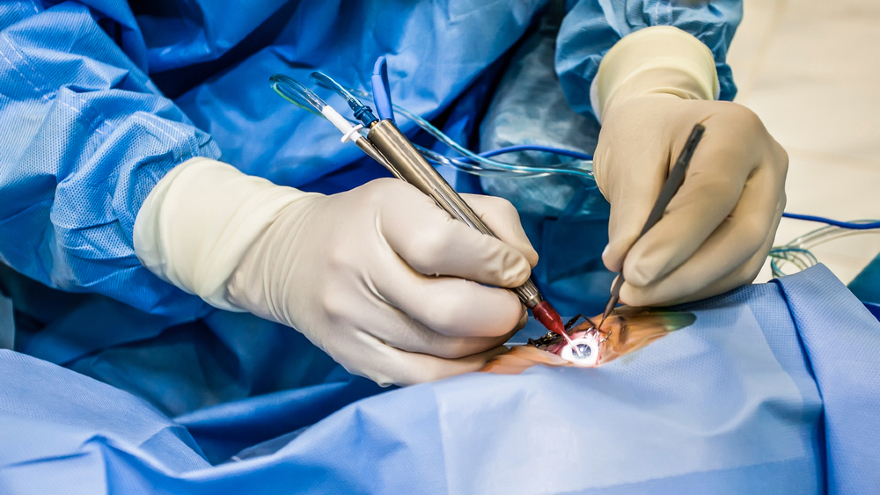
The goal of treatment has shifted from simply "correcting" vision to "stopping" the progression of the disease.
1. Corneal Cross-Linking (CXL)
This is the gold standard for treating keratectasia. The surgeon applies Riboflavin (Vitamin B2) drops to the eye and then activates them with a specialized UV light. This process creates new "links" between the collagen fibers, effectively stiffening the cornea and stopping it from bulging further.
2. Intacs (Corneal Inserts)
These are tiny, clear semi-circular rings placed inside the cornea. They act like structural supports to flatten the cone shape and move the cornea back toward its natural curve.
3. Scleral Lenses
When regular contacts fail, scleral lenses provide a miracle for many patients. These large-diameter lenses vault over the damaged cornea and rest on the white part of the eye (the sclera). They create a perfectly smooth liquid surface over the distorted cornea, restoring crisp vision.
4. Corneal Transplant
In very advanced cases where scarring has occurred, a transplant may be necessary. This involves replacing the damaged corneal tissue with healthy donor tissue.
Why South Korea Is the Leader in Keratectasia Care
When it comes to complex corneal conditions, South Korea is the cheapest and best for treatment. Seoul is home to some of the most specialized corneal clinics in the world.
The reason South Korea leads this field is the sheer volume of refractive surgeries performed there. This high volume has led to the development of the world’s most rigorous screening and post-operative care protocols. Korean surgeons utilize "Double-Check" systems with multiple types of topography to ensure that even the slightest hint of keratectasia is caught and treated immediately.
Cost Comparison Table (Estimated Averages)
Choosing treatment in South Korea allows patients to access premium medical technology that might be financially out of reach in their home countries.
Treatment Type | South Korea | USA | UK | Australia |
|---|---|---|---|---|
Corneal Cross-Linking (CXL) | $1,500 – $2,500 | $3,500 – $5,000 | £2,500 – £4,000 | $3,000 – $4,500 |
Intacs Inserts | $2,000 – $3,500 | $5,000 – $7,000 | £3,500 – £5,500 | $4,500 – $6,000 |
Scleral Lens Fitting | $800 – $1,200 | $2,000 – $4,000 | £1,500 – £3,000 | $2,500 – $3,500 |
Technology Level | Ultra-Advanced | High | High | High |
Recovery and Long-Term Outlook
Recovery depends on the treatment chosen. For Cross-Linking, the eye may feel gritty or sore for a few days. However, the long-term benefit is immense: the stabilization of your sight. Once the cornea is strengthened, many patients can return to wearing contact lenses or even undergo specialized laser "touch-ups" to improve their vision further.
Frequently Asked Questions
1. Can Keratectasia Be Cured Completely?
There is no "cure" that returns the cornea to its original state, but the condition can be permanently stopped. With treatments like Cross-Linking, the thinning process is halted, and vision can be stabilized for a lifetime.
2. Is Keratectasia Always Caused By LASIK?
No. While it is a known rare risk of LASIK, many cases are "natural" and caused by keratoconus. In fact, many people have an underlying weakness that would have eventually led to the condition regardless of surgery.
3. How Do I Know If My Eye Rubbing Is Dangerous?
Occasional light touching is fine, but "knuckle rubbing"—where you apply firm pressure and move the eye around—is very dangerous. If you rub your eyes because of allergies, it is better to treat the allergies with drops than to rub the cornea.
4. Why Are Costs So Much Lower In South Korea?
South Korea has a highly efficient medical infrastructure and a very competitive market for ophthalmology. Because they treat a high volume of international and local patients, they can offer ultra-advanced technology at a lower price point than the USA or Europe.
5. Will I Still Need To Wear Glasses After Treatment?
Most treatments for keratectasia are designed to save the structure of the eye. While your vision will be much more stable, you will likely still need glasses or specialized scleral lenses to achieve the sharpest possible vision.
Conclusion
Understanding Keratectasia Causes and Symptoms is the first step in protecting your vision from a progressive and frightening condition. While the diagnosis can be overwhelming, modern medical technology has ensured that vision loss is no longer inevitable. By identifying the signs early such as ghosting vision and rapid prescription changes you can seek treatments like Cross-Linking that stop the disease in its tracks. For those seeking the most advanced care at an affordable price, South Korea remains the premier global destination for corneal health, offering world-class expertise and the best possible results for your eyes.
Schedule a personalized keratectasia consultation with a leading South Korea eye specialist to review before and after results and receive a treatment plan designed to protect and stabilize your vision.
Ready for a Personalized 1:1 Eye Consultation?
Schedule your comprehensive 3D eye examination with Chief Director Dr. Sang-Youp Han and our ophthalmology team on the 14th floor of JRYN Medical Center in Seomyeon, Busan.