Jryn Eye Clinic Busan (Seomyeon) · SMILE LASIK · EVO+ Visian ICL · Cataract & Retina Center · Tel: +82-51-710-1004
en-US

1:1 Consultation
OPHTHALMOLOGY PROCEDURE
Retinal Detachment
Learn about retinal detachment, a serious eye condition that can cause vision loss, its symptoms, causes, and available treatments to prevent permanent damage.
What Is Retinal Detachment Treatment?
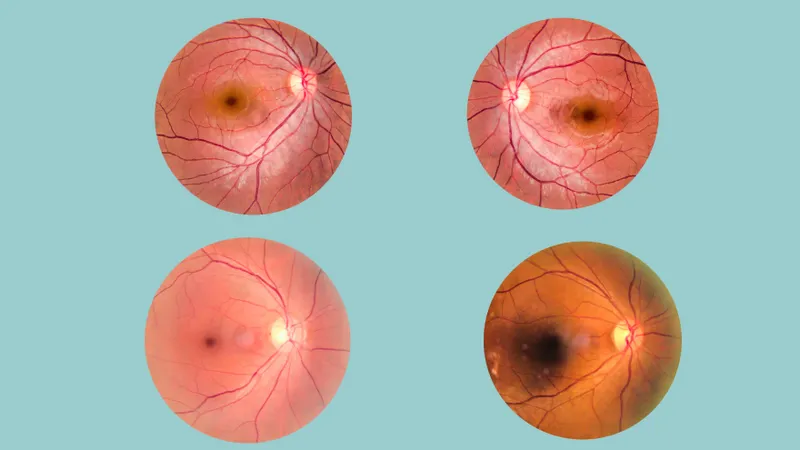
Retinal detachment treatment is a specialized ophthalmic service focused on repairing a condition in which the retina separates from its underlying supportive tissue. Because the retina is responsible for converting light into visual signals, detachment disrupts its blood and nutrient supply, placing vision at immediate risk. Patients may experience sudden symptoms such as flashes of light, an increase in floaters, shadowing, or a curtain-like loss of vision. Retinal detachment is considered a medical emergency and requires prompt evaluation and intervention.
Within the retinal diseases specialty, retinal detachment treatment is approached as a time-sensitive structural condition that often requires surgical repair. Unlike medical retina conditions managed through monitoring or injections, retinal detachment typically involves restoring the retina’s anatomical position using vitreoretinal surgical techniques. This service is fundamentally different from cosmetic or surface eye treatments, as it addresses deep retinal anatomy and aims to preserve vision rather than enhance appearance.
Who Needs Retinal Detachment Treatment?
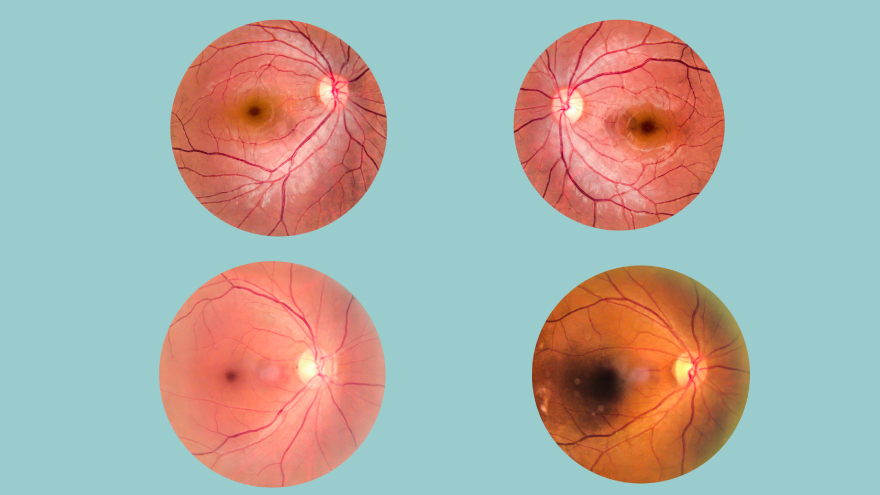
Retinal detachment can affect anyone, but certain factors significantly increase the risk. Recognizing the symptoms and identifying your risk profile is essential for saving your sight.
Ideal Patient Profiles and Clinical Concerns:
● High Myopia (Severe Nearsightedness): Individuals with very high prescriptions often have thinner retinal tissue, making them prone to tears and detachments even without trauma.
● Post-Cataract Surgery Patients: Occasionally, changes in the eye's internal pressure after cataract surgery can lead to a late-onset retinal detachment.
● Trauma and Injury Victims: Anyone who has sustained a significant blow to the head or eye should receive an immediate retinal screening to check for peripheral tears.
● Individuals Noticing "Flashers and Floaters": The sudden onset of flashes of light or a shower of dark spots (floaters) is the primary warning sign of a developing retinal tear.
● Patients Experiencing a "Curtain" in Vision: If a dark shadow or curtain begins to move from the periphery toward the center of your vision, this indicates a detachment is actively progressing.
● History of Retinal Issues in the Other Eye: If you have experienced a detachment in one eye, the risk for the second eye is significantly higher, requiring proactive monitoring by Dr. Sang Youp Han and our team.
● Age-Related Vitreous Changes (50s–70s): As the vitreous gel liquefies and shrinks with age, it can tug on the retina, causing "Rhegmatogenous" detachments.
Meet the Specialists in Retinal Diseases at Jryn Eye Clinic
The retinal department at Jryn Eye Clinic is comprised of three world-class specialists dedicated to the art and science of vitreoretinal surgery. With over 20 years of collective experience, our doctors have successfully managed thousands of retinal emergencies, earning a reputation for excellence in complication management and advanced vision correction.
● Dr. Sang Youp Han is a senior retinal surgeon recognized for his mastery of Pars Plana Vitrectomy. His clinical focus is on the most complex cases of retinal detachment, specifically those involving scar tissue or high-risk patients. His decades of experience allow him to navigate the delicate internal structures of the eye with unmatched precision.
● Dr. Heo Joong Gu specializes in the structural repair of the eye through Scleral Buckling and pneumatic procedures. His expertise is vital for younger patients or those with specific types of retinal dialyses, where maintaining the eye's natural anatomy is paramount for long-term vision correction.
● Dr. Lee Jae Jung focuses on the diagnostic and pharmacological aspects of retinal health. He utilizes high-resolution imaging to identify microscopic tears that others might miss, ensuring that preventative laser treatment can be applied before a full detachment occurs.
The specialists at Jryn Eye Clinic believe in a "Rapid-Intervention, Patient-First" philosophy. We understand that a retinal detachment is a frightening experience, and we prioritize emergency access to our surgical suites. Our team works integratively to ensure that from the moment you walk in, you are receiving evidence-based, empathetic care designed to preserve your most precious sense: your sight.
Retinal Detachment Treatment Areas and Expected Improvements
Primary Treatment Targets:
● Detached areas of the retina
● Retinal tears or breaks causing fluid entry
● Vitreous body contributing to traction
● Macula when central vision is threatened
Retinal detachment treatment aims to reattach the retina, stabilize retinal structure, and preserve remaining vision. When treated promptly, some patients may experience improvement or recovery of visual function, particularly if the macula has not been involved for an extended period. In other cases, the primary benefit is preventing further vision loss rather than restoring lost vision.
Outcomes vary depending on detachment severity, duration, and individual retinal health. Visual recovery cannot be guaranteed, and expectations are discussed carefully before treatment.
Retinal Detachment Treatment Process and Timeline
Management of retinal detachment follows an urgent, carefully coordinated care pathway.
Emergency Retinal Consultation: Immediate evaluation of symptoms, visual acuity, and retinal status.
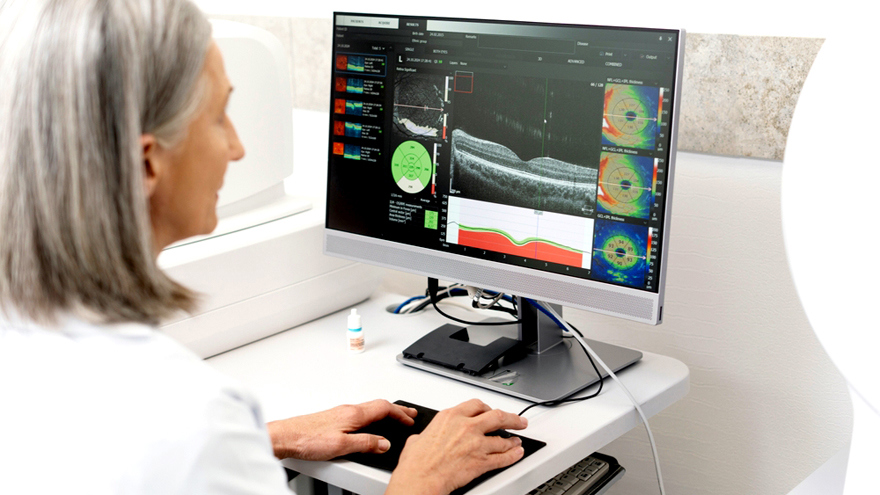
Advanced Diagnostic Imaging: Imaging identifies detachment extent, retinal breaks, and macular involvement.
Personalized Surgical Planning: Selection of the most appropriate surgical approach based on retinal findings.
Vitreoretinal Surgical Treatment: Surgical repair is performed to reattach the retina and seal retinal breaks.
Immediate Postoperative Care: Patients receive guidance on positioning, activity restrictions, and eye protection.
Follow-Up and Long-Term Monitoring: Regular visits assess retinal healing and detect recurrence early.
Downtime varies depending on the surgical method used. Temporary blurred vision, mild discomfort, or activity limitations are common during recovery.
Retinal Detachment Treatment Results, Safety, and Longevity
Retinal detachment treatment focuses on anatomical repair and long-term retinal stability. Modern vitreoretinal surgery offers high rates of anatomical reattachment, particularly when intervention occurs promptly. Visual recovery, however, depends on macular involvement and the duration of detachment prior to repair.
Surgical risks include infection, bleeding, increased eye pressure, cataract progression, or recurrent detachment. Serious complications are uncommon but possible and are discussed thoroughly before treatment. Long-term success often requires continued monitoring, as some patients remain at risk for future retinal issues.
Why Choose JRYN Eye Clinic for Retinal Detachment Treatment?
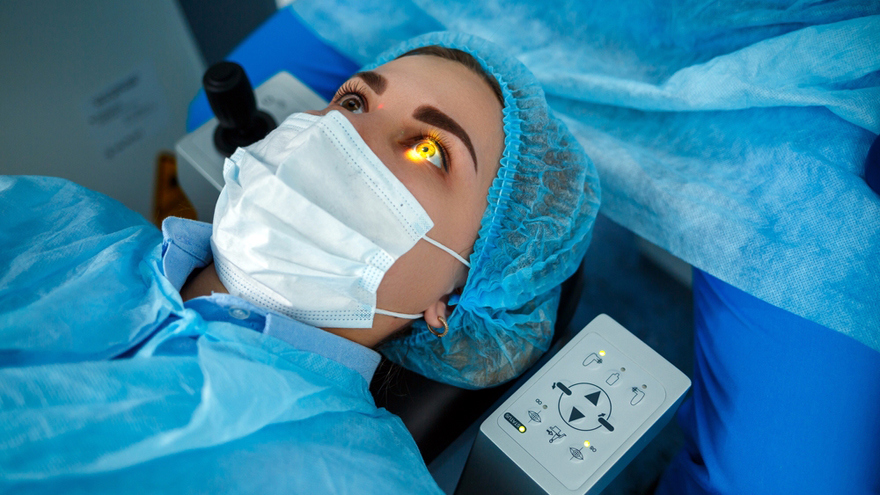
JRYN Eye Clinic provides retinal detachment treatment within a dedicated retinal diseases specialty, ensuring access to specialized vitreoretinal expertise when urgent care is required. The clinic’s approach emphasizes rapid diagnosis, precise surgical planning, and meticulous postoperative follow-up.
The retinal team combines extensive experience in complex retinal surgery with advanced diagnostic and surgical technology. Each case is managed individually, balancing urgency with careful technique to support the best possible outcome.
Key strengths include:
● Specialized expertise in emergency retinal conditions
● Advanced vitreoretinal surgical capabilities
● Image-guided diagnosis and procedure planning
● Structured postoperative monitoring and support
● Coordinated care for international, English-speaking patients
This comprehensive approach supports confidence and continuity during a critical vision-threatening condition.
Real Patient Examples and Testimonials
Sudden Vision Loss Patient, 50s
The patient experienced sudden shadowing and blurred vision caused by retinal detachment, prompting urgent evaluation. Following timely surgical repair and structured postoperative follow-up, the retina was successfully reattached. Over the recovery period, vision gradually stabilized, allowing the patient to regain functional visual comfort and resume daily activities with greater confidence.
High-Risk Retinal Tear Patient, 60s
The patient was diagnosed with a progressing retinal tear before a full retinal detachment developed. Prompt specialist treatment was initiated to stabilize the affected area and prevent further separation. With careful postoperative monitoring and regular follow-up, the retina remained stable over time, reducing the risk of vision-threatening complications and supporting long-term retinal health.
Take the Next Step Toward Protecting Your Vision Immediately
If you are experiencing sudden vision changes such as flashes, floaters, or shadowing, urgent retinal evaluation is essential. Retinal detachment is a vision-threatening condition that requires prompt specialist care to protect remaining sight.
Schedule an urgent retinal consultation to receive immediate evaluation, advanced imaging, and a personalized retinal detachment treatment plan focused on timely repair, retinal reattachment, and long-term vision preservation through expert vitreoretinal care.
Call the appointment desk to reach the retinal emergency coordination team and arrange immediate assessment with a medical and surgical retina specialist: +82517101004
Ready for a Personalized 1:1 Eye Consultation?
Schedule your comprehensive 3D eye examination with Chief Director Dr. Sang-Youp Han and our ophthalmology team on the 14th floor of JRYN Medical Center in Seomyeon, Busan.