Jryn Eye Clinic Busan (Seomyeon) · SMILE LASIK · EVO+ Visian ICL · Cataract & Retina Center · Tel: +82-51-710-1004
en-US

1:1 Consultation
OPHTHALMOLOGY PROCEDURE
Ptosis
Learn about ptosis, a condition causing drooping eyelids, its causes, symptoms, and effective treatment options, including surgery for improved eye function and appearance.

What Is Ptosis Treatment?
Ptosis treatment is a specialized ophthalmic service designed to address drooping of the upper eyelid that interferes with vision, eye comfort, or facial symmetry. Ptosis occurs when the muscles responsible for lifting the eyelid weaken or fail to function properly, leading to partial or complete eyelid droop that may worsen over time. This condition can affect one or both eyes and may be present from birth or develop later in life.
Within comprehensive eye care, ptosis treatment is approached as a functional ophthalmic condition rather than a purely cosmetic concern. The focus is on restoring proper eyelid position to support a clear visual axis, reduce eye strain, and improve daily eye function. This service is distinct from cosmetic eyelid procedures that focus primarily on appearance, as ptosis correction prioritizes medical evaluation, muscle function, and long-term eye health.
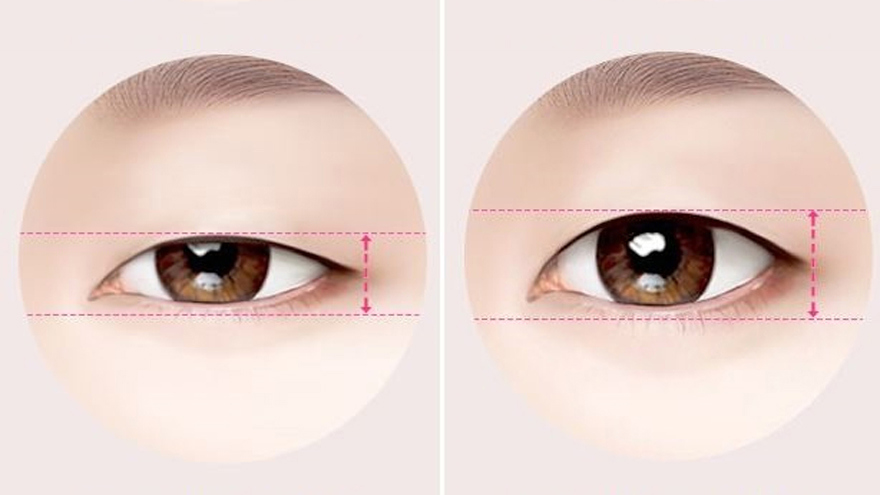
Who needs Ptosis Treatment?
Ptosis can affect individuals of all ages, from infants born with weak eyelid muscles to seniors experiencing the natural stretching of eyelid tissues over time. Recognizing the symptoms of true ptosis is the first step toward effective treatment.
● Individuals with Involutional Ptosis (Ages 40s–80s): The most common group, where the levator muscle tendon has stretched or detached due to aging, leading to a "tired" look and obstructed vision.
● Patients with Congenital Ptosis (Infants and Children): Children born with poor muscle development who are at risk of developing amblyopia (lazy eye) if the drooping lid is not corrected early.
● Post-Surgical Revision Patients: Individuals who have had previous eyelid surgeries elsewhere that resulted in asymmetry, over-correction, or under-correction, requiring our advanced complication management.
● Chronic Forehead Strain and Headaches: Patients who find themselves constantly raising their eyebrows to see clearly, leading to deep forehead wrinkles and tension headaches.
● Sufferers of "Heavy Lids" and Eye Fatigue: Individuals who feel their eyes are constantly heavy, especially at the end of the day, making reading or driving difficult.
● Patients with Myogenic or Neurogenic Concerns: Those whose eyelid drooping is related to muscle diseases or nerve issues that require a specialized ophthalmological assessment.
● Individuals Seeking Symmetry: Patients with unilateral ptosis (one eye drooping lower than the other) who want to achieve a balanced, symmetrical facial appearance.
● Safety-Conscious Patients: Those who prefer a medical clinic setting with 20+ years of ophthalmology expertise rather than a purely cosmetic surgical center.
Meet the Specialists in Comprehensive Eye Care
The eyelid and oculoplastic department at Jryn Eye Clinic is led by Dr. Sang Youp Han, Dr. Heo Joong Gu, and Dr. Lee Jae Jung, three highly distinguished ophthalmologists. With a combined legacy of over 20 years in vision correction and complication management, these specialists bring a unique "eye-first" perspective to Ptosis surgery. They understand that the eyelid is not just skin; it is a complex functional shield for the eye, and its repair must prioritize the safety of the cornea and the stability of the tear film.
Dr. Sang Youp Han is a renowned expert in the mechanics of the levator muscle, focusing on creating perfectly symmetrical eyelid heights through advanced advancement techniques. Dr. Heo Joong Gu specializes in minimally invasive "no-scar" Ptosis correction, utilizing the posterior approach for patients who require functional improvement without visible external incisions. Dr. Lee Jae Jung is a leader in revision surgery and complication management, frequently correcting the results of unsuccessful previous surgeries to restore both function and a natural appearance. Their vast experience in ophthalmology ensures that every Ptosis procedure is conducted with the highest degree of surgical precision and medical oversight.
The shared care philosophy of our specialists is centered on patient-centered, integrative, and evidence-based medicine. At Jryn Eye Clinic, we believe that Ptosis treatment should be a fusion of medical necessity and aesthetic refinement. Our doctors work collaboratively to assess the health of the entire eye before surgery, ensuring that the patient's tear production and corneal sensitivity are sufficient for the procedure. By prioritizing the health of the visual system, we provide a holistic care journey that ensures our patients not only look better but see better for the long term.
Ptosis Treatment Areas and Expected Improvements

Primary Treatment Areas:
● Upper eyelids
● Levator muscle and tendon complex
● Eyelid margin relative to the pupil
● Visual field impacted by eyelid drooping
Ptosis treatment aims to improve eyelid height, symmetry, and functional positioning. Patients may experience clearer vision, reduced eye strain, and improved comfort during daily activities such as reading or driving. Many also notice a more balanced and alert eye appearance as a secondary benefit.
Outcomes vary depending on the severity of ptosis, muscle function, and individual anatomy. Improvements are tailored to functional needs, and no specific result can be guaranteed.
Ptosis Treatment Process and Timeline
Ptosis treatment follows a structured medical pathway focused on safety and accuracy.
Comprehensive Consultation and Eyelid Evaluation: A detailed assessment of eyelid position, muscle function, and visual field impact is performed.
Diagnostic Measurements and Documentation: Eyelid height, symmetry, and movement are carefully measured to guide treatment planning.
Treatment Planning and Recommendation: Based on findings, a conservative or minimally invasive correction strategy is recommended.
Ptosis Correction Procedure: The selected treatment is performed with attention to eyelid function and comfort.
Immediate Aftercare and Monitoring: Patients receive instructions regarding eye care, activity modification, and symptom monitoring.
Follow-Up Visits and Adjustment: Healing and eyelid position are evaluated over time, with adjustments if needed.
Downtime is generally limited. Mild swelling, bruising, or temporary discomfort may occur and typically resolves within days to weeks, depending on the individual and treatment approach.
Ptosis Treatment Results, Safety, and Longevity
Ptosis treatment is performed with a strong emphasis on patient safety and ocular health. When managed by ophthalmology specialists, the procedure is designed to preserve normal blinking, eye surface protection, and visual clarity. Conservative correction techniques are selected whenever appropriate to reduce unnecessary intervention.
Results are typically long-lasting, particularly when the underlying muscle dysfunction is properly addressed. However, natural aging and muscle changes can influence eyelid position over time. Possible side effects include temporary swelling, bruising, asymmetry, dryness, or discomfort. Serious complications are uncommon but remain possible with any medical procedure and are discussed thoroughly during consultation.
Why Choose JRYN Eye Clinic for Ptosis Treatment?
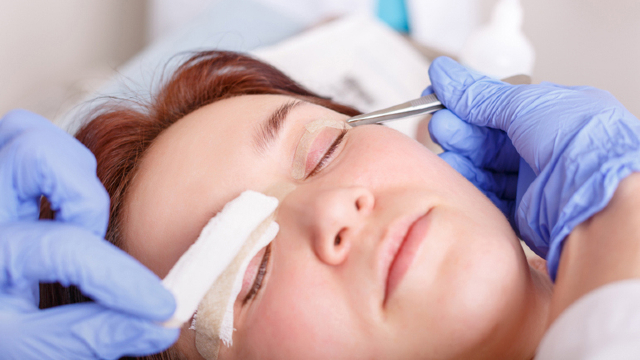
JRYN Eye Clinic approaches ptosis treatment as a medical eye condition requiring precision, experience, and a deep understanding of eyelid anatomy. The clinic’s comprehensive ophthalmology framework ensures that eyelid correction is planned with full consideration of visual function and ocular health.
The medical team emphasizes individualized assessment, conservative decision-making, and meticulous technique. Ptosis correction is never treated as a one-size-fits-all solution; instead, each plan is tailored to the patient’s anatomy, symptoms, and long-term eye health goals.
Key strengths include:
● Extensive experience in comprehensive ophthalmology care
● Functional, vision-first approach to eyelid correction
● Detailed diagnostic evaluation before treatment
● Emphasis on natural eyelid movement and comfort
● Coordinated care for both local and international patients
This philosophy supports safe, effective ptosis treatment grounded in medical integrity.
Real Patient Examples and Testimonials
Functional Vision Improvement Patient, 60s
The patient experienced difficulty reading and frequent forehead strain as a result of drooping upper eyelids that interfered with their field of vision. Following ptosis treatment, visual clarity improved progressively, and the patient reported reduced eye fatigue and greater comfort during daily activities, including prolonged reading and screen use.
Eyelid Asymmetry Patient, 40s
This patient presented with noticeable eyelid height asymmetry that caused visual distraction and daily discomfort. After a thorough evaluation, a customized ptosis correction plan was performed to address both functional and aesthetic concerns. During the recovery period, eyelid position improved gradually, leading to better symmetry, enhanced comfort, and a more balanced, natural appearance without abrupt or exaggerated change.
Take the Next Step Toward Clearer Vision and Eyelid Function
If drooping eyelids are affecting your vision, comfort, or daily activities, professional ptosis treatment may help restore proper eyelid function. A comprehensive consultation allows your condition to be evaluated carefully and a personalized treatment plan to be discussed based on medical need, not cosmetic trends.
Schedule a detailed ophthalmology consultation to assess ptosis and explore a medically guided treatment approach focused on restoring eyelid function, visual comfort, and long-term eye health through precise, conservative care.
Call the appointment desk to speak directly with a comprehensive eye care coordinator who can guide you through scheduling and answer questions about ptosis evaluation and treatment: +82517101004
Ready for a Personalized 1:1 Eye Consultation?
Schedule your comprehensive 3D eye examination with Chief Director Dr. Sang-Youp Han and our ophthalmology team on the 14th floor of JRYN Medical Center in Seomyeon, Busan.