Jryn Eye Clinic Busan (Seomyeon) · SMILE LASIK · EVO+ Visian ICL · Cataract & Retina Center · Tel: +82-51-710-1004
en-US

1:1 Consultation
OPHTHALMOLOGY PROCEDURE
Epiretinal Membrane
Learn about epiretinal membrane, a condition where a thin layer forms on the retina, causing vision distortion, and explore treatment options like surgery for improved sight.

What Is Epiretinal Membrane Treatment?
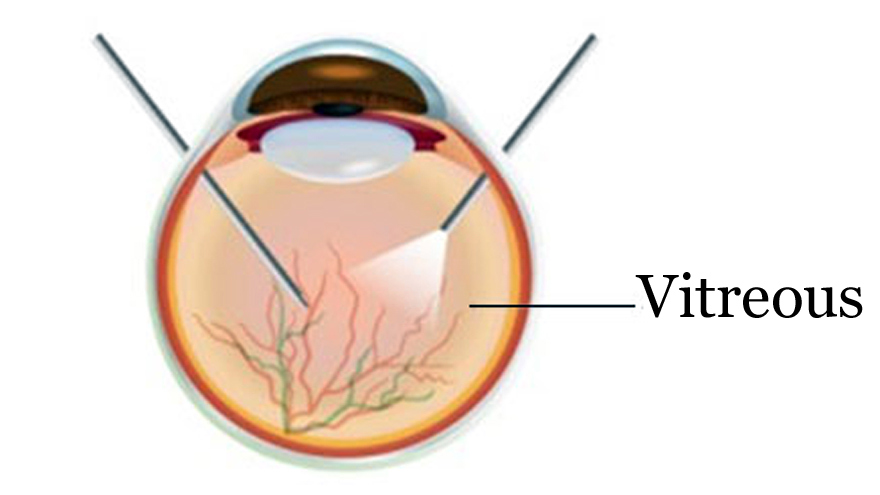
Epiretinal membrane treatment is a specialized retinal service focused on diagnosing and managing a thin layer of fibrous tissue that forms on the surface of the retina, most commonly over the macula. This membrane can contract over time, causing the underlying retinal tissue to wrinkle or distort, a condition often referred to as macular pucker. As the macula is responsible for sharp, detailed central vision, even subtle distortion can lead to blurred vision, waviness of straight lines, difficulty reading, or visual discomfort during daily activities.
Within the retinal diseases specialty, epiretinal membrane treatment is approached as a structural retinal condition that requires careful monitoring and individualized management. Not all epiretinal membranes require immediate intervention; many remain stable for long periods and can be managed conservatively. When visual distortion progresses or interferes with quality of life, targeted vitreoretinal surgery may be recommended. This service differs fundamentally from surface eye treatments or refractive procedures, as it addresses changes occurring at the retinal level and requires subspecialty expertise in medical and surgical retina care.
Who Needs Epiretinal Membrane Treatment?
The decision to undergo treatment for an Epiretinal Membrane is typically based on the level of visual interference a patient experiences. While some membranes remain stable, others progress, making expert evaluation essential.
Ideal Patient Profiles and Concerns:
● Age-Related Progression (Patients in their 50s–80s): Most ERMs develop due to natural changes in the vitreous gel that occurs with age; these patients often notice a slow decline in reading clarity.
● Distorted Visual Perception (Metamorphopsia): Patients who see straight lines, such as door frames or lines of text, as wavy or bent require a specialist's intervention to prevent permanent retinal remodeling.
● Post-Inflammatory or Post-Surgical Candidates: Individuals who have previously undergone eye surgery or experienced intraocular inflammation and have developed secondary "scarring" on the macula.
● Patients Seeking Advanced Vision Correction: Those who find that glasses or contact lenses no longer correct their vision because the issue is structural/retinal rather than refractive.
● Concern for Depth Perception: Patients who feel their binocular vision is compromised, making tasks like driving or walking on stairs difficult due to image size differences between the two eyes.
● Proactive Attitudes toward Eye Health: Individuals who prefer a specialist with 20+ years of expertise to manage their condition before it reaches a stage of irreversible macular damage.
Meet the Specialists in Retinal Diseases
|
|
|



At Jryn Eye Clinic, our retinal department is staffed by three distinguished surgeons who collectively represent the pinnacle of ophthalmic surgical care. With 20+ years of ophthalmology expertise, our team specializes in the delicate interface between the vitreous and the retina, ensuring that every Epiretinal Membrane procedure is performed with surgical mastery.
● Dr. Sang Youp Han is a senior retinal specialist renowned for his precision in micro-incision vitrectomy. His focus area involves the management of complex macular puckers, utilizing his extensive experience to ensure minimal trauma to the delicate retinal surface during membrane peeling.
● Dr. Heo Joong Gu brings a wealth of knowledge in advanced vision correction, specifically focusing on the integration of pharmacological and surgical therapies to optimize visual outcomes. His expertise is vital for patients requiring multifaceted complication management.
● Dr. Lee Jae Jung specializes in the diagnostic analysis of retinal pathologies. His focus on high-resolution imaging allows our team to map Epiretinal Membranes with extreme accuracy, ensuring that the surgical approach is perfectly calibrated to the patient's anatomy.
Epiretinal Membrane Treatment Areas and Expected Improvements
Primary Treatment Targets:
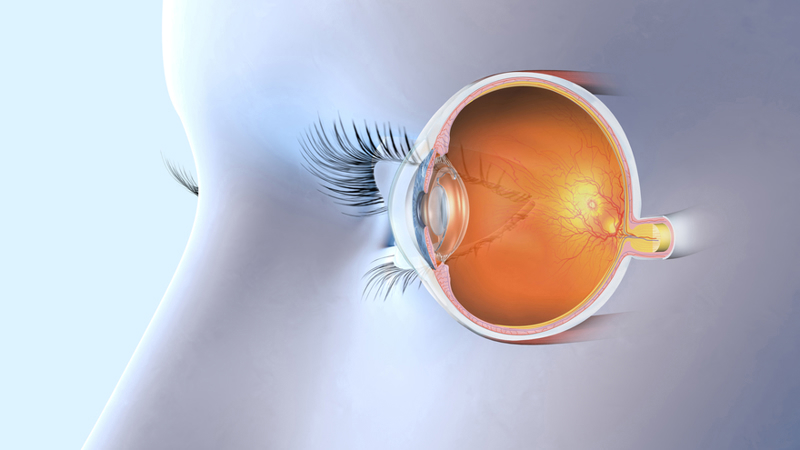
● Macula responsible for central vision
● Retinal surface affected by fibrous membrane formation
● Vitreoretinal interface contributing to traction
● Surrounding retinal tissue impacted by distortion
Epiretinal membrane treatment aims to reduce macular distortion, stabilize central vision, and improve visual clarity when possible. Patients who undergo successful treatment may notice straighter vision, improved reading ability, and reduced visual discomfort. In conservatively managed cases, reassurance and monitoring help patients understand symptom stability and progression.
Visual outcomes vary depending on membrane severity, duration, and individual retinal response. While many patients experience meaningful functional improvement, complete restoration of normal vision cannot be guaranteed.
Epiretinal Membrane Treatment Process and Timeline
Management of epiretinal membrane follows a structured retinal care pathway designed to balance safety, effectiveness, and patient comfort.
Comprehensive Retinal Consultation: Detailed review of visual symptoms, daily visual demands, and medical history.
Advanced Diagnostic Imaging: High-resolution retinal scans document membrane characteristics and macular involvement.
Personalized Treatment Planning: Determination of conservative monitoring versus surgical intervention based on findings.
Vitreoretinal Surgical Treatment (If Indicated): Minimally invasive surgery performed to remove the epiretinal membrane and relieve traction.
Immediate Post-Treatment Care: Guidance on eye protection, activity modification, and symptom monitoring.
Follow-Up and Visual Recovery Monitoring: Ongoing visits assess retinal healing and gradual visual adaptation.
Downtime varies by treatment approach. Surgical patients may experience temporary blurred vision or mild discomfort during recovery, which improves gradually over weeks to months.
Epiretinal Membrane Treatment Results, Safety, and Longevity
Epiretinal membrane treatment focuses on long-term retinal stability and functional vision improvement. When surgery is performed, it is carried out using established vitreoretinal techniques designed to minimize trauma to delicate retinal tissue. Conservative management remains appropriate for many patients and avoids unnecessary intervention.
Visual improvement following treatment is often gradual, reflecting the time required for retinal tissue to recover and adapt. Some degree of residual distortion may persist, particularly in long-standing cases. Possible side effects include temporary inflammation, visual fluctuation, or infection risk. Serious complications are uncommon but possible with any intraocular surgery and are discussed thoroughly during consultation.
Long-term outcomes depend on disease duration, retinal health, and adherence to follow-up care.
Why Choose JRYN Eye Clinic for Epiretinal Membrane Treatment?

JRYN Eye Clinic provides epiretinal membrane treatment within a dedicated retinal diseases specialty, ensuring that care is guided by subspecialty expertise rather than generalized eye care. The clinic’s approach emphasizes accurate diagnosis, conservative decision-making, and surgical precision when intervention is necessary.
The retinal team combines extensive experience in managing macular and vitreoretinal conditions with advanced diagnostic technology to guide treatment planning. Each patient receives individualized recommendations based on retinal anatomy, symptom severity, and visual goals.
Key strengths include:
● Specialized expertise in macular and vitreoretinal disorders
● Advanced OCT imaging for precise diagnosis and monitoring
● Balanced approach between observation and surgical care
● Structured postoperative follow-up for visual recovery
● Coordinated care for international, English-speaking patients
This comprehensive model supports confidence, clarity, and continuity throughout the treatment journey.
Real Patient Examples and Testimonials
Progressive Visual Distortion Patient, 60s
The patient reported gradual visual distortion and increasing difficulty with reading caused by an epiretinal membrane. Following a structured retinal evaluation and appropriate treatment, central vision stabilized over time. During the recovery period, visual clarity improved, allowing reading and other daily visual tasks to become more comfortable and less visually demanding.
Macular Pucker Monitoring Patient, 50s
This patient experienced mild visual waviness without significant loss of visual acuity. Following a detailed retinal evaluation, a conservative management plan focused on careful monitoring and patient education was recommended. Over time, the symptoms remained stable, allowing daily visual activities to continue comfortably while avoiding unnecessary surgical intervention.
Take the Next Step Toward Clearer, More Comfortable Vision
If you have been diagnosed with an epiretinal membrane or are experiencing progressive visual distortion, specialized retinal evaluation is essential. Early assessment and individualized care can help clarify whether observation or treatment is most appropriate for your condition.
Schedule a comprehensive retinal consultation to receive advanced imaging, expert evaluation, and a personalized epiretinal membrane treatment plan focused on improving visual comfort, reducing distortion, and protecting long-term retinal health through specialist-led care.
Call the appointment desk to speak directly with the retinal care coordination team and arrange your evaluation with a medical retina and vitreoretinal specialist: +82517101004
Ready for a Personalized 1:1 Eye Consultation?
Schedule your comprehensive 3D eye examination with Chief Director Dr. Sang-Youp Han and our ophthalmology team on the 14th floor of JRYN Medical Center in Seomyeon, Busan.