Jryn Eye Clinic Busan (Seomyeon) · SMILE LASIK · EVO+ Visian ICL · Cataract & Retina Center · Tel: +82-51-710-1004
en-US

1:1 Consultation
OPHTHALMOLOGY PROCEDURE
Cataract after LASIK Surgery
Learn about cataract development after LASIK surgery, its symptoms, and treatment options to restore clear vision, including cataract surgery with lens replacement.

What Is Cataract After LASIK Surgery Treatment?
Cataract after LASIK surgery treatment refers to a specialized approach to managing lens clouding in patients who previously underwent laser vision correction. While LASIK reshapes the cornea to correct refractive errors, it does not prevent age-related or secondary cataract formation later in life. When cataracts develop in post-LASIK eyes, standard cataract surgery techniques must be carefully adapted to account for altered corneal curvature and optical properties.
This service focuses on restoring visual clarity while preserving the benefits of earlier refractive correction. Unlike routine cataract surgery, treatment after LASIK requires advanced diagnostics, precise intraocular lens calculations, and surgical expertise in post-refractive eyes. The goal is functional, stable vision that aligns with the patient’s visual expectations and lifestyle.
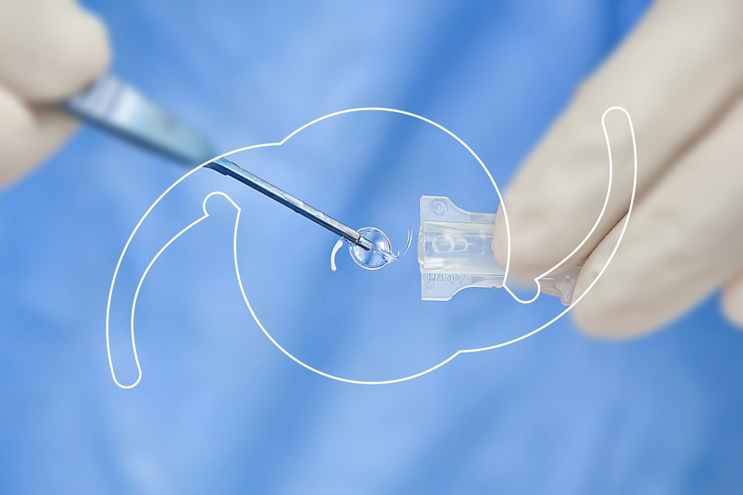
Who needs Cataract after LASIK Surgery Treatment?
As the generation that first underwent LASIK in the 1990s and 2000s enters their 50s and 60s, the need for specialized cataract intervention is increasing. These patients have high visual expectations and require a clinic that understands their unique surgical history.
Ideal Patient Profiles and Concerns:
● Post-LASIK Patients in their 50s–70s: Individuals who had successful laser vision correction years ago but are now experiencing a new onset of blurry vision, glare, or difficulty driving at night.
● Individuals with "Refractive Surprise" Concerns: Patients who are worried that their previous LASIK will make new surgery complicated or inaccurate and seek a team with advanced complication management expertise.
● Active Seniors (High Visual Demand): Patients who lead active lifestyles—such as golfers, pilots, or avid readers—and want to maintain the "spectacle-free" life they had after LASIK.
● Patients with Significant Glare and Halos: Those whose cataract symptoms are exacerbated by the spherical aberrations often present in post-LASIK corneas.
● Specific Patient Attitudes: Individuals who value precision and are looking for a surgeon who treats their case as a specialized refractive procedure rather than a routine medical one.
● Concerns over Flap Stability: Patients who are concerned that cataract surgery might dislodge or damage their original LASIK flap.
● Desire for Premium Outcomes: Individuals interested in multifocal or toric IOLs who need expert guidance on which lenses are compatible with their post-LASIK corneal shape.
Meet the Specialists in Treatment of Surgical Complications
|
|
|



The surgical team at Jryn Eye Clinic is comprised of Dr. Sang Youp Han, Dr. Heo Joong Gu, and Dr. Lee Jae Jung, three of the most experienced ophthalmologists in the field of refractive revision. Each doctor brings a unique focus to the management of Cataract after LASIK Surgery, ensuring that every patient receives a comprehensive and highly technical evaluation.
Dr. Sang Youp Han is a renowned expert in IOL power calculations for "atypical" eyes, having spent over 20 years refining the formulas used for post-refractive patients. Dr. Heo Joong Gu specializes in advanced phacoemulsification techniques, with a focus on preserving the corneal endothelium and ensuring the safety of the LASIK flap during surgery. Dr. Lee Jae Jung is a leader in the integration of premium IOL technology, helping patients choose the best lens options to complement their previously corrected vision.
Our specialists share a unified care philosophy: "Precision through Experience." We recognize that a post-LASIK eye is fundamentally different from a virgin eye. Our approach is patient-centered and integrative, combining the latest evidence-based protocols with a deep understanding of surgical history. At Jryn Eye Clinic, we don't just treat the cataract; we manage the entire visual system to ensure that the patient’s long-term visual health and refractive goals are met with the highest degree of accuracy.
Cataract After LASIK Surgery Treatment Areas and Expected Improvements
This treatment focuses exclusively on the eye’s internal lens while respecting corneal changes from earlier LASIK.
● Crystalline lens affected by cataract
● Visual axis clarity and contrast sensitivity
● Overall quality of distance and functional vision
Patients may experience clearer vision, improved brightness perception, and reduced glare. Visual outcomes vary depending on corneal condition, cataract severity, and individual healing response, and no specific result can be guaranteed.
Cataract After LASIK Surgery Treatment Process and Timeline
Treatment follows a structured pathway to ensure safety and predictability in post-refractive eyes.
In-depth consultation including prior LASIK history review and advanced eye imaging
Precision measurements and individualized surgical planning
Cataract removal using minimally invasive techniques
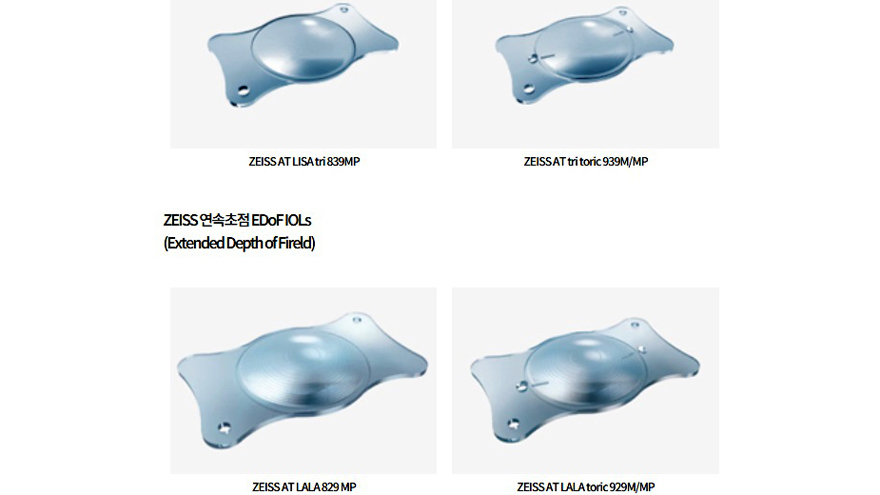
Intraocular lens implantation selected for post-LASIK optics
Immediate postoperative care with visual stabilization monitoring
Follow-up visits to assess healing and visual quality over time
Most patients resume daily activities within days, though visual stabilization may continue over several weeks.
Cataract After LASIK Surgery Results, Safety, and Longevity
Cataract surgery after LASIK can provide long-lasting visual improvement when properly planned. The implanted intraocular lens is designed for permanent placement, while visual outcomes depend on corneal health and ocular stability.
Safety is supported through conservative surgical techniques, sterile protocols, and thorough preoperative assessment. Temporary side effects may include mild discomfort, dryness, or light sensitivity. Serious complications are uncommon but can include infection, inflammation, or refractive imbalance, and are addressed promptly when identified.
Why Choose JRYN Eye Clinic for Cataract After LASIK Surgery Treatment?

Managing cataracts in post-LASIK eyes requires a higher level of surgical insight and diagnostic precision. This clinic focuses on complex ophthalmic cases where standard approaches may not be sufficient.
The medical team emphasizes individualized planning, careful lens selection, and realistic expectation setting. Experience with refractive surgery outcomes allows surgeons to anticipate challenges unique to LASIK-altered corneas.
● Extensive experience in post-refractive cataract management
● Advanced diagnostic technology for accurate IOL calculation
● Conservative, patient-centered surgical philosophy
● Structured follow-up and visual outcome monitoring
Real Patient Examples and Testimonials
Post-LASIK Cataract Patient, 50s
After LASIK in her early thirties, this patient enjoyed years of clear vision before noticing increasing glare and blurred distance vision. Evaluation revealed cataract development complicated by prior corneal reshaping. Through customized lens planning and careful surgery, she experienced a significant improvement in clarity and comfort.
Post-Refractive Cataract Patient, 60s
This patient had LASIK decades earlier and later struggled with night driving and reduced contrast. Following tailored cataract surgery, visual stability improved gradually over several weeks. He reported greater confidence in daily activities and appreciated the careful explanation of realistic outcomes.
Take the Next Step Toward Clearer Vision After LASIK
If you are experiencing vision changes years after LASIK and suspect cataract development, a specialized evaluation can help clarify your options. Schedule a detailed consultation to understand how cataract treatment can be safely adapted to your unique visual history and long-term needs.
Contact the surgical complications care team to discuss your current symptoms, previous procedure details, and appropriate next steps for LASIK and long-term vision management: +82517101004
Ready for a Personalized 1:1 Eye Consultation?
Schedule your comprehensive 3D eye examination with Chief Director Dr. Sang-Youp Han and our ophthalmology team on the 14th floor of JRYN Medical Center in Seomyeon, Busan.