Jryn Eye Clinic Busan (Seomyeon) · SMILE LASIK · EVO+ Visian ICL · Cataract & Retina Center · Tel: +82-51-710-1004
en-US

1:1 Consultation
CLINICAL ARTICLE & GUIDE
Astigmatism vs. Normal Vision: Key Differences Explained
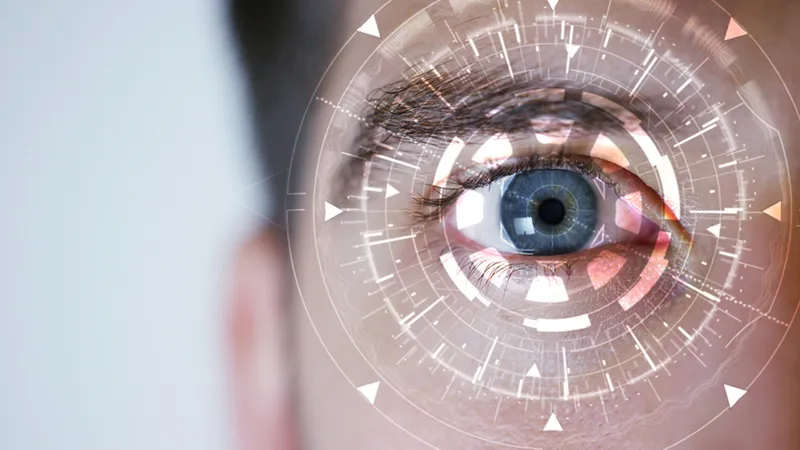
Introduction Imagine looking at a streetlamp while driving at night. Do you see a crisp, sharp point of light, or do the lights appear to have long, streaky starbursts stretching across your windshield? If you see streaks, you are likely experiencing the effects of astigmatism.
Introduction
Imagine looking at a streetlamp while driving at night. Do you see a crisp, sharp point of light, or do the lights appear to have long, streaky starbursts stretching across your windshield? If you see streaks, you are likely experiencing the effects of astigmatism. Understanding the nuances of Astigmatism vs. Normal Vision is the first step toward reclaiming clarity and comfort in your daily life.
Many people live with blurry or distorted vision for years assuming it is just a natural part of aging or tiredness. In reality, astigmatism is a common structural condition of the eye that affects how light is processed. This guide breaks down the anatomical differences lifestyle impacts and the most cost-effective ways to achieve 20/20 clarity.

The Anatomy: Footballs vs. Basketballs
To understand the difference between a standard eye and one with astigmatism, it helps to look at the shape of the cornea the clear front window of the eye and the lens.
Normal Vision
In an eye with normal vision, the cornea and lens are perfectly round and symmetrical, much like a basketball. Because the surface is smooth and evenly curved, light enters the eye and bends (refracts) equally from all angles. This allows the light to focus onto one single, sharp point on the retina at the back of the eye resulting in a clear image.
Astigmatism
In an eye with astigmatism, the cornea or lens is shaped more like a football or the back of a spoon. One side is more curved than the other. This uneven curvature causes light to scatter rather than focus. Instead of meeting at one point on the retina, light rays land on multiple focal points some in front of the retina and some behind it.
The Result: This distortion creates blurred or ghosted vision at all distances, whether you are reading a book or looking at a distant mountain.
Key Differences: At a Glance
The following table summarizes the primary distinctions between these two visual states.
Feature | Normal Vision | Astigmatism |
|---|---|---|
Corneal Shape | Perfectly Spherical (Basketball) | Elliptical/Oval (Football) |
Light Focus | Single point on the retina | Multiple points; scattered focus |
Distance Vision | Sharp and Clear | Blurry, tilted, or distorted |
Near Vision | Sharp and Clear | Often shadowed or "doubled" |
Night Vision | Minimal glare | Significant halos and starbursts |
Physical Symptoms | None | Eye strain, squinting, and headaches |
Signs You Might Have Astigmatism (Beyond the Blur)
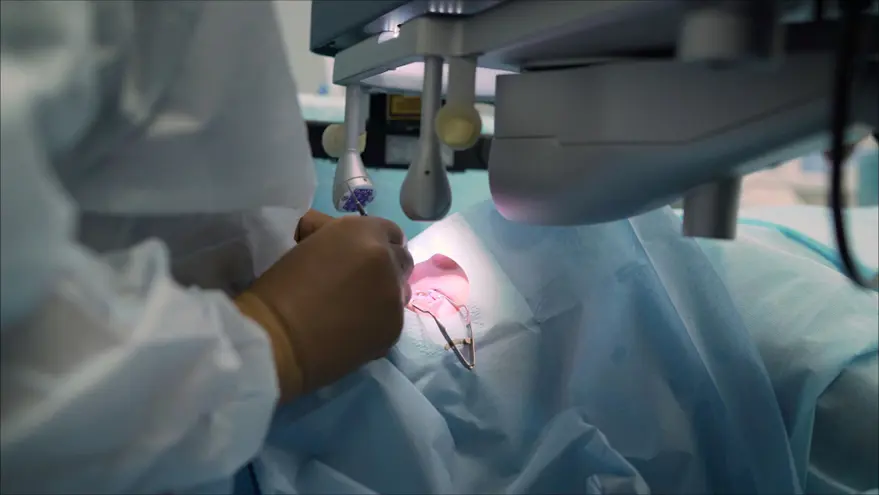
While blurry vision is the most common complaint, astigmatism often presents through a variety of subtle symptoms that people overlook.
Eye Strain & Headaches: If you find yourself reaching for pain relievers after a long day at a computer it might not just be stress. When you have astigmatism your brain and eye muscles constantly work overtime to compensate for the distorted image, leading to fatigue.
Squinting: This is a natural reflex. By squinting, you are narrowing the light path into the eye to reduce the scatter but it is a temporary and exhausting fix.
Shadowed Vision: Some patients report seeing a ghost image or a slight shadow around letters on a screen or a page.
The Night Driving Challenge: This is often the aha! moment for patients. Because the pupil dilates in the dark to let in more light the irregular shape of the cornea becomes even more problematic. Headlights, stoplights and streetlamps appear to bleed or bloom into long streaks.
Can Astigmatism Exist with Myopia or Hyperopia?
It is rare for astigmatism to exist entirely on its own. Most people experience the Combination Effect.
Myopic Astigmatism: When astigmatism is combined with nearsightedness.
Hyperopic Astigmatism: When astigmatism is combined with farsightedness.
Regular vs. Irregular Astigmatism
Most people have Regular Astigmatism, where the cornea is curved more in one direction than the other. This is easily corrected with glasses or standard laser surgery. Irregular Astigmatism is less common and often results from an eye injury or a condition like keratoconus. This type requires more specialized contact lenses or advanced surgical techniques.
Modern Correction Options
Technology has advanced significantly, meaning no one has to settle for distorted vision.
Non-Surgical Options
Toric Contact Lenses: Unlike standard lenses Toric lenses are shaped specifically to offset the unevenness of your cornea. They are weighted at the bottom to ensure they stay in the correct orientation on your eye.
Specialized Eyeglasses: Lenses can be ground with a specific cylinder prescription to neutralize the blur of astigmatism.
Surgical Options (Permanent Solutions)
LASIK/LASEK: These procedures use a laser to reshape the corneal tissue, turning that football shape back into a basketball shape.
SMILE (Small Incision Lenticule Extraction): This is the latest, minimally invasive technique. It requires no flap and offers a faster recovery time for many patients.
Permanent Lens Implants (ICL): For those with very high prescriptions or corneas that are too thin for laser surgery, a specialized Toric ICL can be placed inside the eye to provide permanent correction.
The Global Cost of Vision Correction
Vision correction is an investment in your quality of life. However, many patients are deterred by the high prices found in the other countries. This has led to a rise in medical tourism, where patients seek the highest level of care at more accessible price points.
The South Korea Advantage
When it comes to ophthalmology, South Korea is widely recognized as the best and most cost-effective destination for treatment. The country boasts some of the world’s most advanced diagnostic technology and highest surgical volumes.
Because South Korean clinics perform thousands of these procedures every month they benefit from high competition and economies of scale. This allows them to offer premium, state-of-the-art surgery at a fraction of the cost found elsewhere.
Cost Comparison Table (Estimated Averages)
Region | LASIK (Per Eye) | SMILE Surgery (Per Eye) | Quality of Technology |
|---|---|---|---|
South Korea | $800 - $1,200 | $1,500 - $2,000 | Premium (Global Leader) |
United States | $2,500 - $3,500 | $3,000 - $4,000 | High |
United Kingdom | $2,000 - $3,000 | $2,800 - $3,500 | High |
Australia | $2,200 - $3,200 | $3,000 - $3,800 | High |
Why Choose South Korea for Your Treatment?
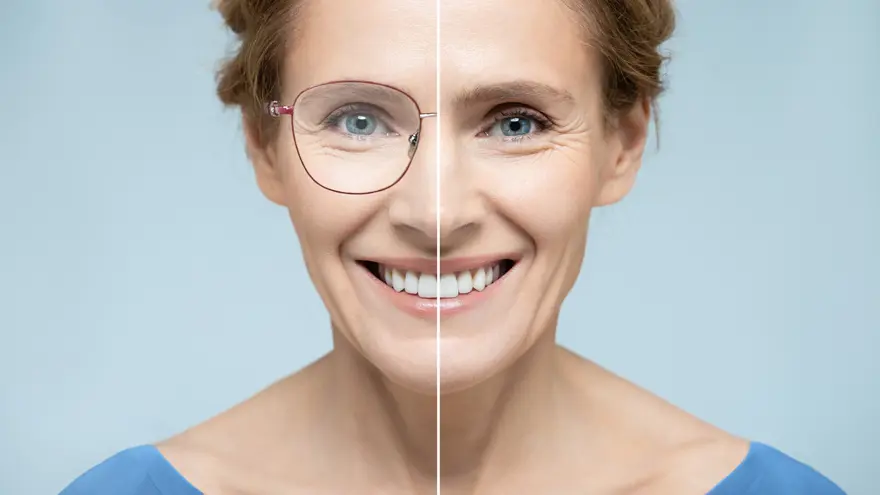
If you are considering surgery to correct your astigmatism, South Korea offers three distinct advantages:
Unrivaled Experience: Korean surgeons are world-renowned for their precision. The sheer volume of patients they treat ensures they are experts in handling even the most complex astigmatism prescriptions.
Next-Gen Technology: South Korea often adopts the latest laser technology such as the newest Zeiss Visu Max lasers years before they become standard in other regions.
Efficiency for Travelers: Clinics in Seoul are designed for efficiency. They offer comprehensive screening packages that include over 50 different eye tests to ensure you are a perfect candidate before the laser even touches your eye.
Frequently Asked Questions
1. Can Astigmatism Go Away on Its Own?
Astigmatism does not resolve on its own because it is caused by a structural irregularity in the shape of the eye. While the degree of astigmatism may change slightly over time, proper correction typically requires glasses, contact lenses, or refractive surgery.
2. Is Astigmatism a Disease?
Astigmatism is not a disease. It is a refractive error, similar to nearsightedness or farsightedness, and is very common. The condition affects how light is focused in the eye but does not represent an eye disease.
3. Can LASIK Fix Astigmatism?
Yes, LASIK can effectively correct astigmatism. Modern procedures such as LASIK and SMILE are designed to reshape the cornea with high precision, and many patients achieve 20/20 vision or better after surgery.
4. Does Astigmatism Get Worse at Night?
Astigmatism itself does not worsen at night, but its symptoms often become more noticeable. When pupils dilate in low light, more distorted light enters the eye, making issues like halos, glare, and starbursts around lights more apparent.
5. What Is the Best Age to Get Surgery for Astigmatism?
Most eye surgeons recommend undergoing surgery only after your vision prescription has remained stable for at least one to two years. This typically means waiting until after the age of 18 or 21 to ensure long-term results.
6. Why Is Surgery in South Korea Cheaper If It’s Higher Quality?
South Korea’s lower prices are the result of a highly competitive medical market and an extremely high volume of patients. This efficiency allows clinics to offer advanced technology and expert surgical care at significantly lower costs than in the other countries compromising quality.
Conclusion
Comparing Astigmatism vs. Normal Vision makes it clear that while astigmatism is common, it is also a significant barrier to living a comfortable life. From the frustration of night driving to the daily annoyance of headaches, the football-shaped eye creates unnecessary hurdles.
Whether you choose the convenience of Toric lenses or the permanent freedom of laser surgery, a solution exists. For those seeking the highest quality of care and the best value, South Korea remains the premier global destination for vision correction here.
Ready for a Personalized 1:1 Eye Consultation?
Schedule your comprehensive 3D eye examination with Chief Director Dr. Sang-Youp Han and our ophthalmology team on the 14th floor of JRYN Medical Center in Seomyeon, Busan.