Jryn Eye Clinic Busan (Seomyeon) · SMILE LASIK · EVO+ Visian ICL · Cataract & Retina Center · Tel: +82-51-710-1004
en-US

1:1 Consultation
CLINICAL ARTICLE & GUIDE
Why Ultrasound Multifocal Cataract Costs Less in Korea Than China
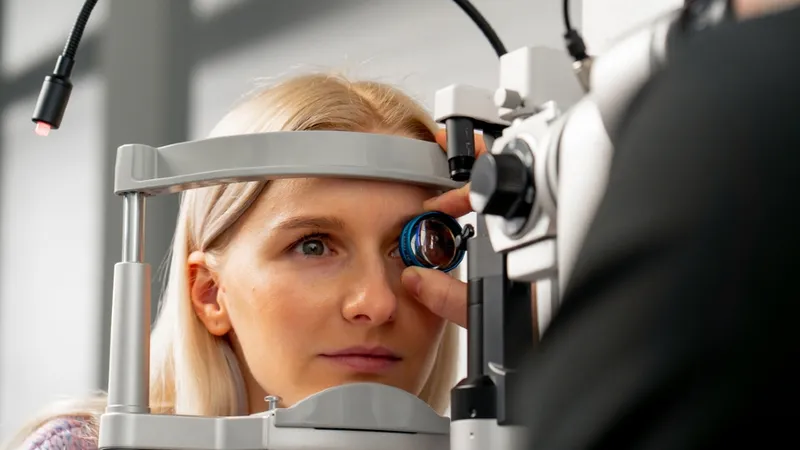
Introduction Finding the right place for eye surgery is a balance between high-end technology and financial value. For many patients, the search for better vision leads them to compare medical hubs in Asia.
Introduction
Finding the right place for eye surgery is a balance between high-end technology and financial value. For many patients, the search for better vision leads them to compare medical hubs in Asia. If you are researching the Ultrasound Multifocal Cataract Cost in Korea, you will quickly find that Seoul offers a unique combination of world-class expertise and surprising affordability. While China has seen a rise in private medical facilities, South Korea remains the cheapest and best destination for this specific procedure. This guide explores why Korea maintains its edge in technology and price, and what you can expect from your results.
Understanding the Procedure: Ultrasound and Multifocal Lenses
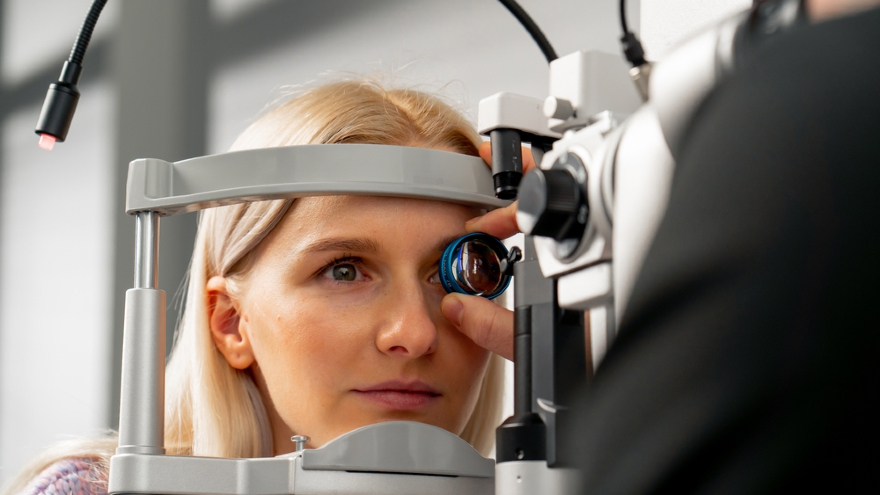
Cataract surgery has moved far beyond simply clearing up cloudy vision. Modern surgery uses ultrasound energy to break up the damaged natural lens. This process, known as phacoemulsification, allows for tiny incisions that do not require stitches.
Once the old lens is removed, it is replaced with a Multifocal Intraocular Lens (IOL). Unlike standard lenses that only allow you to see far away, multifocal lenses have different zones that allow for clear vision at near, intermediate, and far distances. Because this is a premium procedure, the technology used must be incredibly precise.
Why Ultrasound Multifocal Cataract Cost in Korea Is Lower Than China
When comparing the Ultrasound Multifocal Cataract Cost in Korea to prices in major Chinese cities like Beijing or Shanghai, Korea consistently offers a 20 to 30 percent discount. This price difference exists for several specific reasons.
1. Supply Chain and Import Efficiency
South Korea is a major partner for global lens manufacturers like Zeiss, Alcon, and Johnson & Johnson. Because of the high volume of surgeries performed in Seoul, these companies provide lenses at a lower cost to Korean clinics In China, high import taxes and a complex distribution network often drive up the price of these same premium lenses for the end consumer.
2. Specialized Medical Infrastructure
In China, premium medical care is often concentrated in high-end private hospitals that cater to the elite, leading to inflated facility fees. In South Korea, there are hundreds of specialized eye clinics that focus exclusively on cataract and refractive surgery. This specialization allows Korean clinics to reduce overhead costs while maintaining a higher standard of care.
3. Government Support and Competition
The South Korean government actively supports the medical tourism industry. They ensure that safety standards are world-leading while encouraging a competitive market. This competition keeps the Ultrasound Multifocal Cataract Cost in Korea affordable for international patients, as clinics must offer the best technology at the most attractive price to remain leaders in the field.
Cost Comparison Table: South Korea vs. China and the West
When looking at the global market, South Korea is clearly the cheapest and best for treatment. The table below illustrates the typical price ranges per eye.
Country | Standard Cataract Surgery | Ultrasound Multifocal Surgery | Technology Level |
|---|---|---|---|
South Korea | $1,200 – $2,000 | $3,000 – $5,500 | Ultra-Advanced |
China (Private) | $2,000 – $3,500 | $4,500 – $7,500 | High |
USA | $3,500 – $5,000 | $7,000 – $12,000 | High |
UK | $3,000 – $4,500 | $6,000 – $9,000 | High |
Note: Prices are per eye and generally include the consultation, the premium multifocal lens, and the surgical facility fees.
The Quality Factor: Why Cheaper in Korea Does Not Mean Lower Quality
A common concern is that a lower price might mean a compromise in safety. In South Korea, the opposite is true. South Korea is considered the best for treatment because it often implements new technology before it reaches China or even the United States.
Advanced Diagnostic Mapping
Before surgery, Korean clinics use advanced biometry to map the eye in three dimensions. This ensures that the multifocal lens is selected specifically for your eye's unique shape. If the measurements are off by even a fraction, the multifocal effect will not work. Korean precision in this stage is unmatched globally.
Surgeon Experience
Surgeons in Seoul perform some of the highest numbers of multifocal lens implantations in the world. This high volume means they have seen and successfully treated almost every possible eye shape and condition. This experience significantly reduces the risk of complications.
The Before and After Experience
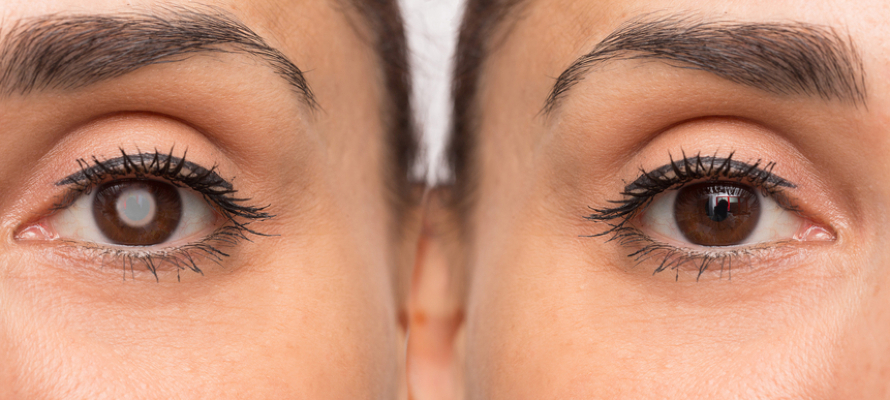
The goal of paying the Ultrasound Multifocal Cataract Cost in Korea is to achieve total visual freedom. Here is what the transformation looks like for most patients.
Before Surgery: You likely experience foggy vision, halos around streetlights at night, and a total dependence on reading glasses or bifocals. Simple tasks like reading a text message or driving at dusk are stressful.
After Surgery: Within a few days, the fog lifts. Colors appear more vivid and bright. Most importantly, you can switch from looking at your phone to looking at the television to looking out the window without reaching for glasses.
While your brain needs a few weeks to fully adjust to the new lens (a process called neuroadaptation), the physical recovery is very fast thanks to the gentle ultrasound method used in Korean clinics.
Safety and Risks to Consider
While the success rate is incredibly high, every surgery has potential side effects. Being informed helps you set realistic expectations.
Halos at Night: Some patients see rings around lights while driving at night. In the vast majority of cases, the brain learns to filter these out over time.
Dry Eye: It is common to experience temporary dryness after surgery. Korean clinics usually provide a comprehensive kit of medicated drops to manage this during the first month.
Contrast Sensitivity: In very dark environments, vision might feel slightly less sharp than in bright daylight.
Travel and Recovery in Seoul

Choosing Korea for your surgery also offers a seamless travel experience. Most premium clinics are located in the Gangnam district, which is home to world-class hotels and recovery-friendly environments.
Timeline: You should plan to stay for about 7 days. This allows for the surgery on both eyes (usually spaced a few days apart) and a final check-up before you fly home.
Language Support: Almost all major clinics in Seoul have dedicated international teams that speak English, Chinese, and other languages to guide you through every step.
Frequently Asked Questions
1. What Is The Total Ultrasound Multifocal Cataract Cost In Korea?
The total cost typically ranges between $3,000 and $5,500 per eye. This price covers the specialized ultrasound surgery, the premium multifocal lens implant, and the initial post-operative care.
2. Why Is South Korea The Cheapest And Best Destination For This Surgery?
Korea offers the best value because of its high-volume surgical centers, advanced local technology manufacturing, and intense competition. This allows patients to access ultra-premium lenses and world-renowned surgeons at a fraction of the price found in China or the West.
3. Is The Surgery Painful?
No. The procedure is performed using local anesthetic drops that completely numb the eye. You may feel a slight sensation of pressure for a few minutes, but there is no sharp pain.
4. How Long Does It Take To Recover?
Most patients see a significant improvement in their vision within 24 to 48 hours. However, it takes about one to three months for your brain to fully adapt to the multifocal focal points for perfect near and far vision.
5. Can I Have Both Eyes Done During One Trip?
Yes. Most international patients have their first eye done on Monday and their second eye on Wednesday or Thursday. This allows the surgeon to monitor the first eye before proceeding with the second.
Conclusion
When comparing the Ultrasound Multifocal Cataract Cost in Korea to other global options, the evidence points to Seoul as the premier choice. South Korea is the cheapest and best location for this treatment because it combines aggressive pricing with the world's most advanced optical technology. By choosing Korea over China or the West, you are not just saving money; you are investing in a higher standard of surgical precision and a better quality of life. Vision is your most precious sense, and South Korea provides the most reliable path to restoring it.
Schedule a personalized Ultrasound Multifocal Cataract consultation in Seoul to receive a clear cost breakdown, advanced treatment options, and a vision restoration plan tailored to your needs.
Ready for a Personalized 1:1 Eye Consultation?
Schedule your comprehensive 3D eye examination with Chief Director Dr. Sang-Youp Han and our ophthalmology team on the 14th floor of JRYN Medical Center in Seomyeon, Busan.