Jryn Eye Clinic Busan (Seomyeon) · SMILE LASIK · EVO+ Visian ICL · Cataract & Retina Center · Tel: +82-51-710-1004
en-US

1:1 Consultation
CLINICAL ARTICLE & GUIDE
Why Retina Health Should Be a Priority for Diabetics
Discover why maintaining retina health is crucial for diabetics. Learn how managing blood sugar can prevent diabetic retinopathy and protect your vision. Take action today!
Introduction
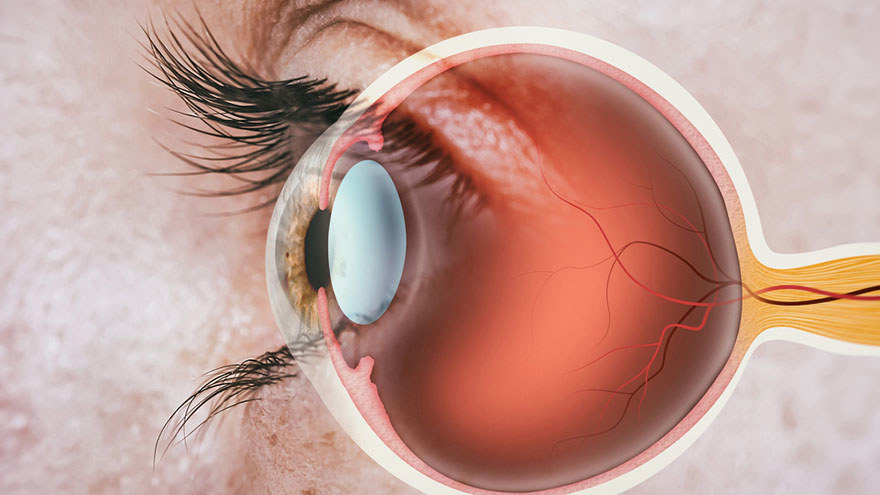
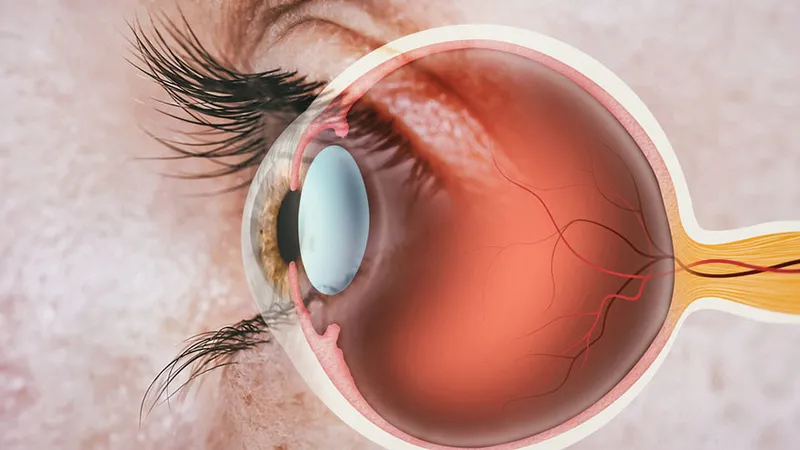
If you're living with diabetes, you may be familiar with its long-term effects on various parts of your body. However, one area that doesn’t always get the attention it deserves is the retina—the light-sensitive tissue at the back of the eye. Yet, for people with diabetes, maintaining retinal health should be a top priority. Diabetic retinopathy, a condition that affects the retina, is a leading cause of blindness worldwide, but it can often be prevented with timely care and attention.
At Jryn Eye Clinic, we’ve seen firsthand the impact that a proactive approach to eye health can have on improving quality of life for diabetic patients. With advanced treatments and personalized care, we’re able to help patients catch potential retinal issues early, minimizing long-term damage. Let's dive into why your retina health matters and how you can protect it.
What is Diabetic Retinopathy?
To understand why retina health is critical for diabetics, it's important to first understand diabetic retinopathy. This condition occurs when high blood sugar levels damage the blood vessels in the retina, leading to poor circulation, fluid leakage, and sometimes bleeding in the eye. Over time, this damage can cause the retina to deteriorate, impairing vision. Diabetic retinopathy doesn’t typically present any obvious symptoms in its early stages, which is why regular eye exams are essential.
There are several stages of diabetic retinopathy:
Non-proliferative diabetic retinopathy (NPDR): In the early stages, blood vessels in the retina become weakened, and tiny bulges, called microaneurysms, form. While you may not notice significant changes in vision, the damage is starting.
Proliferative diabetic retinopathy (PDR): If left untreated, the condition can progress to this stage. New, abnormal blood vessels start to grow in the retina, increasing the risk of bleeding, retinal detachment, and more severe vision problems.
Diabetic macular edema (DME): This occurs when fluid leaks from the damaged blood vessels, causing swelling in the macula (the center of the retina responsible for sharp, central vision). This can lead to blurry or distorted vision.
What makes diabetic retinopathy especially dangerous is that it often doesn’t cause pain, and many of its early signs can be missed without a professional eye exam. That’s why regular checkups at a trusted clinic, such as Jryn Eye Clinic, are crucial for catching these issues before they escalate.
Why Retina Health is Crucial for Diabetics?

The retina is one of the most sensitive and vital parts of the eye. It acts like the film in a camera, capturing images and sending them to the brain. Without a healthy retina, clear vision is impossible. Diabetic retinopathy is one of the main threats to the retina in those living with diabetes, but it’s not the only one. The retina’s complex network of blood vessels is vulnerable to the effects of high blood sugar, which can cause a variety of issues beyond retinopathy, such as:
Retinal vein occlusion: This condition occurs when a vein in the retina becomes blocked, often causing swelling or bleeding.
Macular degeneration: Diabetes can accelerate macular degeneration, further threatening central vision.
Untreated retinal issues in diabetics can lead to vision loss or even blindness. In fact, diabetic retinopathy is the leading cause of blindness among adults in the working age group. For many, it could have been prevented with early intervention. If you're wondering how it’s possible to prevent something as serious as blindness, you're not alone—and the answer lies in a combination of vigilant monitoring and effective treatments.
The Link Between Diabetes and Eye Health
Maintaining good control over your blood sugar levels is key to preserving your eye health. Uncontrolled diabetes significantly increases the risk of eye complications. When blood sugar levels fluctuate wildly, they damage the blood vessels in the retina. As a result, the eyes may not receive the oxygen and nutrients they need to stay healthy. Here’s why blood sugar management is crucial:
Fluctuating blood sugar levels can cause the lens of the eye to swell, affecting vision clarity, a condition known as “diabetic lens swelling.”
Over time, this can cause permanent damage to the delicate blood vessels in the retina, contributing to the development of retinopathy and other complications.
Tight blood sugar control can slow the progression of diabetic retinopathy and other eye conditions, potentially saving your sight.
But blood sugar alone isn’t the only factor in maintaining retinal health. High blood pressure, high cholesterol, and other common diabetic complications can also contribute to retinal damage. That’s why it’s important for diabetics to take a comprehensive approach to their health, managing not only blood sugar levels but also other cardiovascular risk factors.
How to Protect Your Retinal Health?

The good news is that you don’t have to face diabetic retinopathy alone. With modern diagnostic tools, early detection, and a personalized treatment plan, you can protect your retina and preserve your vision. Here are some essential steps to take:
Regular Eye Exams: If you have diabetes, it’s essential to get your eyes checked by an eye care professional at least once a year. At Jryn Eye Clinic, we use state-of-the-art technology like optical coherence tomography (OCT) and fluorescein angiography to detect early signs of diabetic retinopathy.
Tight Blood Sugar Control: Keep your blood sugar levels within the target range recommended by your doctor. This can significantly reduce your risk of developing diabetic eye diseases.
Monitor Blood Pressure and Cholesterol: High blood pressure and elevated cholesterol can exacerbate retinal damage. Regular monitoring and medications, if necessary, can help keep these factors in check.
Healthy Lifestyle: Eat a balanced diet, exercise regularly, and avoid smoking—lifestyle changes can play a key role in managing diabetes and preventing eye complications.
Early Treatment: If diabetic retinopathy is detected, there are a variety of treatment options available, including laser therapy, intravitreal injections, and in some cases, surgery. Early intervention is vital for preventing severe vision loss.
The Role of Advanced Treatments in Managing Diabetic Retinopathy
At Jryn Eye Clinic, we offer cutting-edge treatments for diabetic retinopathy, including laser therapy, which can help seal leaking blood vessels, and anti-VEGF injections to stop the growth of abnormal blood vessels. These treatments are designed to stabilize or even improve vision in many patients, provided the condition is caught early.
For example, in proliferative diabetic retinopathy, laser photocoagulation can help reduce the growth of abnormal blood vessels and prevent further complications. Anti-VEGF therapy, which involves injections directly into the eye, can stop the leakage of fluid and reduce the swelling that causes diabetic macular edema. These treatments are often highly effective in preserving vision and preventing further damage.
In the case of severe retinal detachment or other advanced complications, surgical intervention may be necessary. Early detection, however, often allows us to avoid such extreme measures by addressing the problem before it worsens.
Why Choose Jryn Eye Clinic for Your Eye Health?
At Jryn Eye Clinic, we understand the importance of preserving your sight, especially when you’re managing a condition like diabetes. With more than 20 years of experience, Dr. Han Sang Yeop and our team of specialists offer personalized care tailored to your unique needs. We provide thorough, detailed eye exams to detect early signs of diabetic retinopathy and other retinal conditions. With our advanced diagnostic tools and treatment options, you can rest assured that your eye health is in expert hands.
If you’re diabetic and haven’t had an eye exam recently, consider scheduling a consultation at Jryn Eye Clinic. Early detection is the key to preserving your vision and avoiding irreversible damage.
Conclusion
Diabetes doesn’t have to mean inevitable vision loss. By prioritizing your retina health, monitoring your blood sugar, and seeking professional care, you can reduce your risk of serious complications like diabetic retinopathy. Stay proactive about your eye health by scheduling regular eye exams and making lifestyle choices that support both your overall health and your vision.
If you’ve been struggling with vision changes or have concerns about your retinal health, don’t wait. Visit Jryn Eye Clinic for a comprehensive eye exam today, and take the first step toward protecting your sight for the future.
Ready for a Personalized 1:1 Eye Consultation?
Schedule your comprehensive 3D eye examination with Chief Director Dr. Sang-Youp Han and our ophthalmology team on the 14th floor of JRYN Medical Center in Seomyeon, Busan.