Jryn Eye Clinic Busan (Seomyeon) · SMILE LASIK · EVO+ Visian ICL · Cataract & Retina Center · Tel: +82-51-710-1004
en-US

1:1 Consultation
CLINICAL ARTICLE & GUIDE
Why Cataracts Are Appearing Earlier & How to Prevent Them
Cataracts are now affecting younger individuals. Learn how to prevent them with UV protection, healthy habits, and regular eye exams.
What Are Cataracts?
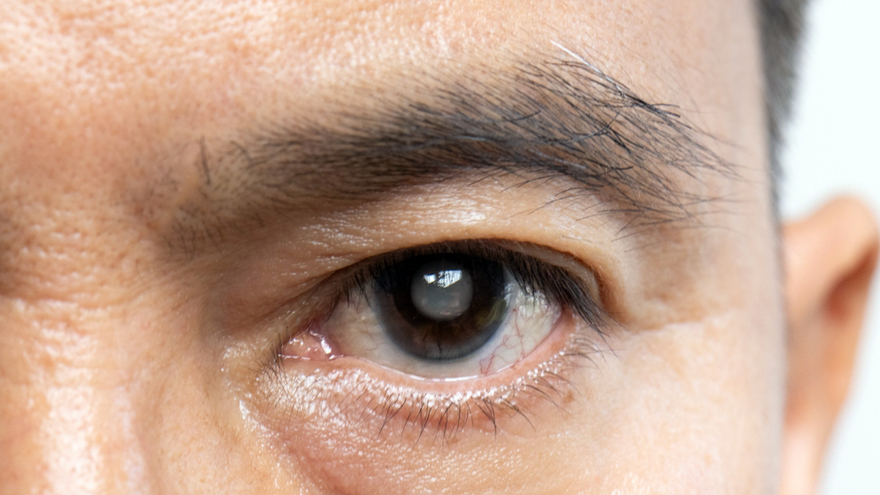
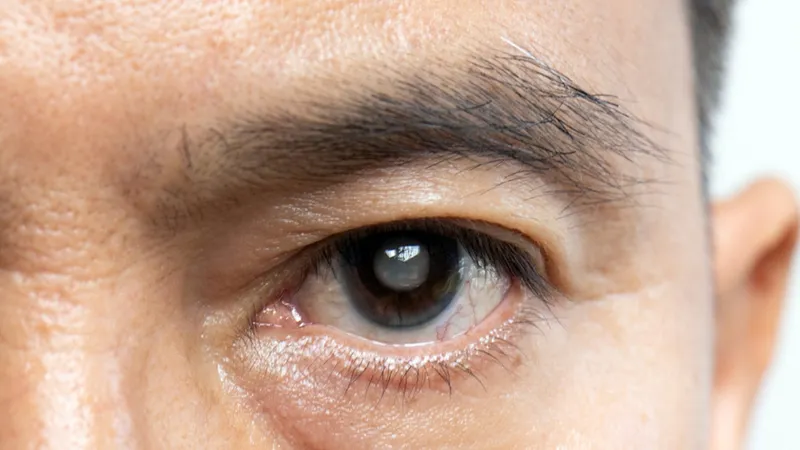
Cataracts are a prevalent eye condition where the natural lens of the eye becomes cloudy, leading to a gradual decline in vision. Normally, the lens is clear and allows light to pass through to the retina. When it becomes cloudy, it obstructs light, impairing vision. Symptoms of cataracts can include blurry or hazy vision, difficulty seeing at night, and increased sensitivity to light. These changes can make everyday tasks, like reading or driving, more challenging. Cataracts often develop slowly, allowing some individuals to adapt to the changes, but without treatment, they can worsen over time.
Types of Cataracts:
Age-Related Cataracts: Most common, typically occurring after age 60.
Congenital Cataracts: Present at birth or develop in childhood.
Secondary Cataracts: Caused by other health conditions, such as diabetes, or as a side effect of medications like steroids.
While cataracts have traditionally been associated with aging, an increasing number of younger individuals in their 40s and 50s are now being diagnosed with them. This shift has raised concerns, especially since cataracts can significantly impact quality of life if left untreated.
The Shift in Cataract Age: What's Happening?
Previously, cataracts were considered a natural part of aging, affecting mostly those over 60. However, recent reports show that cataracts are being diagnosed in people much younger, prompting questions about the cause behind this shift. While aging remains a major factor, lifestyle choices, environmental exposures, and other health conditions have contributed to this trend. Recognizing the risk factors for earlier cataract development is essential for early intervention and prevention.
Risk Factors Contributing to Early Cataracts
Several factors increase the likelihood of developing cataracts earlier than expected. These factors often interact and can be mitigated through lifestyle changes.
UV Exposure: Prolonged exposure to ultraviolet (UV) rays is a leading cause of cataracts. UV rays can damage the proteins in the eye’s lens, leading to cloudiness. Wearing sunglasses with UV protection, even on cloudy days, is crucial. Research indicates that UV exposure accelerates cataract formation, particularly in individuals who spend extensive time outdoors without proper eye protection.
Diabetes: Those with diabetes, especially when blood sugar levels are poorly controlled, have a heightened risk of cataracts. High glucose levels lead to changes in the lens proteins, increasing the likelihood of cataract formation. Furthermore, the oxidative stress caused by diabetes can worsen lens damage. Maintaining good blood sugar control can significantly reduce the risk.
Smoking: Smoking is another well-established risk factor for cataracts. The chemicals in tobacco smoke increase oxidative stress in the body, damaging the eye's lens. Smokers also experience reduced circulation to the eyes, which can further impair eye health.
Poor Diet: A diet lacking essential nutrients, such as antioxidants, vitamins C and E, and omega-3 fatty acids, can increase the risk of cataract development. These nutrients help protect the lens from oxidative damage. Consuming a diet rich in fresh fruits, vegetables, and healthy fats supports eye health and can reduce the risk of cataracts.
Genetics: Family history also plays a significant role in cataract formation. Individuals with a genetic predisposition may develop cataracts at an earlier age. While genetic factors cannot be changed, adopting healthy lifestyle habits can help mitigate the risk.
Lifestyle Choices and Cataract Prevention
Lifestyle choices have a major impact on eye health and the risk of cataracts. The following steps can help protect your vision:

Sun Protection: One of the most effective ways to prevent cataracts is to reduce UV exposure. Sunglasses with 100% UV protection are essential when outdoors. A wide-brimmed hat can also provide additional protection. Avoid direct sunlight during peak hours (10 a.m. to 4 p.m.) to minimize the risk.
Exercise Regularly: Physical activity promotes healthy blood circulation and supports overall well-being. Exercise can also help prevent chronic diseases like diabetes and hypertension, which are risk factors for cataracts.
Limit Alcohol Consumption: Excessive alcohol intake contributes to oxidative stress and accelerates the aging of the eyes. While moderate alcohol consumption is less impactful, chronic heavy drinking increases the risk of cataract development.
Recognizing Early Cataract Symptoms
Since cataracts develop slowly, it’s crucial to recognize early signs to prevent significant vision loss. Early symptoms can include:
Blurry or Cloudy Vision: Difficulty focusing on objects, even with corrective lenses.
Sensitivity to Light: Increased glare, especially when driving at night, due to light scattering caused by the cloudy lens.
Night Vision Problems: Difficulty seeing in low-light conditions as the cataracts progress.
Yellowing of Colors: Colors appear faded or yellowish, affecting tasks like reading or identifying colors.
Double Vision in One Eye: Light entering the eye is scattered by the cloudy lens, causing double vision.
If you notice any of these symptoms, it's important to consult with an ophthalmologist for a comprehensive eye exam. Early detection leads to better management and outcomes.
Preventing Early Cataract Development
While cataracts can’t always be entirely prevented, you can reduce the risk of developing them early by following these steps:
UV Protection: Wearing sunglasses with UV protection is one of the simplest and most effective ways to protect your eyes from harmful rays.
Manage Diabetes: If you have diabetes, maintaining blood sugar control through diet, exercise, and medication is essential to reduce the risk of cataracts.
Quit Smoking: Smoking cessation is critical for reducing oxidative stress and improving overall eye health.
Eat a Balanced Diet: A diet rich in antioxidants, vitamins C and E, and omega-3 fatty acids can help protect your eyes from oxidative damage. Incorporate leafy greens, carrots, citrus fruits, and fish into your meals for optimal eye health.
Exercise Regularly: Exercise supports healthy blood circulation and reduces the risk of chronic diseases, including diabetes, which can contribute to cataract formation.
Routine Eye Exams: Even without symptoms, regular eye exams can catch cataracts early. The American Academy of Ophthalmology recommends a comprehensive eye exam by age 40, with more frequent checks afterward, depending on your risk factors.
What to Do if You Have Early Cataracts
If diagnosed with early-stage cataracts, surgery may not be necessary right away, as cataracts often progress slowly. However, managing the condition is important to preserve vision. Your ophthalmologist may suggest:
Monitoring: If cataracts are in the early stages, regular eye exams and updated eyeglasses prescriptions may be enough to manage symptoms.
Surgery: Cataract surgery is the only definitive solution for advanced cataracts. The procedure involves removing the cloudy lens and replacing it with a clear, artificial lens (intraocular lens, or IOL). Cataract surgery is safe and effective, with high success rates and minimal recovery time.
Modern Cataract Surgery Options
Advancements in cataract surgery have made the procedure safer and more efficient. Options include:
Traditional Cataract Surgery: The cloudy lens is removed through a small incision, and a new IOL is implanted to restore clear vision. This surgery is highly successful and typically performed under local anesthesia.
Laser-Assisted Cataract Surgery: Using advanced femtosecond lasers, this technique offers enhanced precision and customized treatment options.
Premium Intraocular Lenses: These lenses improve near and distance vision, reducing the need for glasses after surgery.
How Jryn Eye Clinic Can Help

At Jryn Eye Clinic, we specialize in advanced cataract surgery using the latest technologies, including the Catalys system and Zepto lens for precision. Led by Dr. Han Sang Yeop, a renowned ophthalmologist, our team ensures the highest quality care with a focus on early detection and effective treatment.
Conclusion
Cataracts are no longer just a condition for older adults. With increasing cases of early-onset cataracts, adopting protective measures—such as wearing UV-protective sunglasses, eating a nutrient-rich diet, quitting smoking, and exercising regularly—can help reduce your risk. Regular eye exams are essential for early detection, and modern cataract surgery offers high success rates and lasting results.
Ready for a Personalized 1:1 Eye Consultation?
Schedule your comprehensive 3D eye examination with Chief Director Dr. Sang-Youp Han and our ophthalmology team on the 14th floor of JRYN Medical Center in Seomyeon, Busan.