Jryn Eye Clinic Busan (Seomyeon) · SMILE LASIK · EVO+ Visian ICL · Cataract & Retina Center · Tel: +82-51-710-1004
en-US

1:1 Consultation
CLINICAL ARTICLE & GUIDE
What to Pack for Your Eye Surgery Day in Busan
Discover what to pack for your eye surgery day in Busan. Get a practical checklist to stay comfortable, prepared, and stress-free. Learn more today!

Introduction

The night before surgery, many patients tell us they feel two things at once: relief that the day is finally here, and nerves about what to expect. Whether you’re scheduled for SMILE LASIK, EVO ICL, or cataract surgery, preparing well can make the difference between a stressful morning and a calm, confident experience.
At Jryn Eye Clinic in Busanjin-gu, Busan, we often remind our patients: eye surgery is not just a medical procedure, it’s a personal milestone. You’ve probably thought about this decision for weeks or even years. Packing the right items for your surgery day is about more than convenience—it’s about giving yourself a sense of comfort, safety, and readiness.
In this guide, we’ll walk you through exactly what to bring, what to leave at home, and why each item matters. You’ll also hear some insider insights from our experience caring for thousands of patients in Busan. Think of it as a practical packing list, but also as a calming roadmap for the day ahead.
Why Packing for Surgery Day Really Matters
If you’ve ever rushed to the airport and realized you forgot your passport, you know the sinking feeling of being unprepared. The same applies to surgery day. Without the right items—your ID, your sunglasses, or even something as simple as lip balm—you may find yourself stressed at the wrong moment.
To be honest, what people often overlook is how small details shape the emotional experience of surgery. A bottle of water at the right time, or having your insurance card ready without fumbling, can help you feel steady. You don’t want to waste mental energy on logistics; you want to focus on healing.
The Must-Haves: Identification and Essential Documents
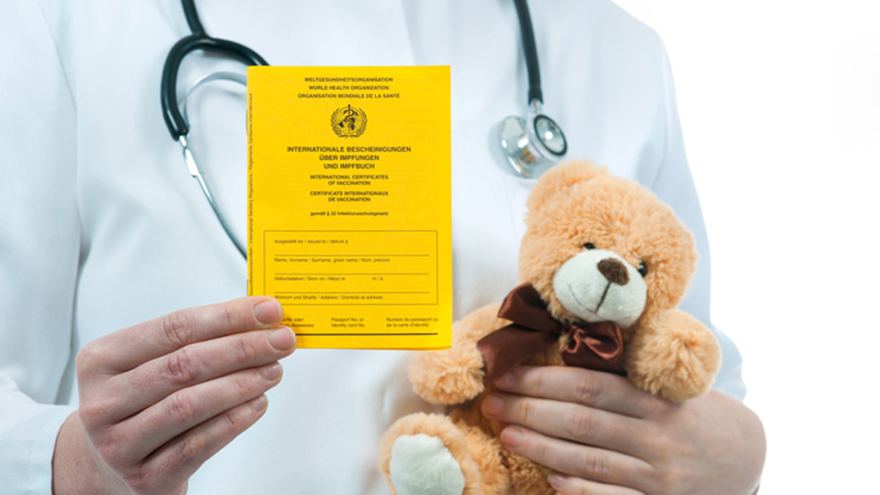
Every clinic and hospital in Busan will require documentation before surgery begins. Here’s what you need to bring:
Identification Card or Passport: Korean patients should bring their 주민등록증 (Resident Registration Card) or health insurance card. International patients must carry their passport.
Clinic Paperwork: If your doctor provided consent forms, test results, or pre-op instructions, keep them neatly organized.
Payment Method: Most clinics in Busan accept card, cash, or bank transfer. Check ahead of time to avoid stress at the counter.
Tip from our clinic: Place all documents in a flat pouch that slides easily into a crossbody bag. This way, you won’t have to dig through a backpack or large purse when staff ask for them.
Dressing for Comfort and Simplicity
Think of your clothing as part of your recovery plan. You’ll be sitting, lying down, and moving through different clinic rooms. Tight or complicated clothing only adds discomfort.
Loose, soft fabrics: Cotton sweatshirts, drawstring pants, or a simple t-shirt are best.
Slip-on shoes: You may need to take shoes off during preparation; avoid anything with laces.
No accessories: Remove jewelry, watches, and metal hairpins—they interfere with equipment and are unnecessary on surgery day.
Imagine dressing as if you’re heading for a cozy day at home, but neat enough to step outside comfortably.
Protecting Your Eyes Right After Surgery
This is one area patients often underestimate. After surgery, your eyes will be sensitive, watery, and vulnerable. The right items provide immediate comfort and protection:
Sunglasses: Not just stylish—these block harsh sunlight and protect healing eyes. Busan’s coastal weather can be bright even in winter.
Protective Eye Shields or Goggles: If your clinic provided them, bring them along. They prevent accidental rubbing or touching.
Artificial Tears (if prescribed): Only use drops approved by your surgeon.
Without sunglasses, many patients find the trip home uncomfortable, squinting against light and wind. Having them ready is a small act of kindness for your future self.
Medications and Health Information

Your surgeon needs to know what medications you’re currently taking to prevent interactions or complications.
Daily Medications: Bring them in their original labeled packaging.
Medication List: A short written list in Korean or English makes it easy for staff to confirm.
Allergy Information: If you have drug allergies, write them clearly on paper.
We’ve seen patients delay their surgery simply because they forgot to mention a blood thinner or herbal supplement. Transparency and preparation ensure safety.
Comfort Items That Make a Big Difference
Eye surgery itself is usually quick and painless. What takes longer is the waiting, preparation, and adjustment afterward. Here are small comforts that help:
Tissues or wet wipes: Your eyes may water after surgery.
Lip balm: Clinics often have cool, dry air from air conditioning.
Water bottle: Hydration aids recovery.
Calming item: Some patients carry prayer beads, a small stress ball, or a favorite handkerchief. These little rituals can ease nerves.
These items aren’t medically necessary, but they provide psychological comfort. Many patients later tell us these details made the day easier.
Digital Essentials and Entertainment
After surgery, you won’t be scrolling on your phone or working on a laptop. But before and after, you may need your phone for communication and light listening.
Phone and Charger: Essential for coordinating pick-up and contacting family.
Headphones or Earbuds: Useful for listening to calm music or audiobooks while waiting.
Contact Numbers: Write down your emergency contact in case your phone battery dies.
Tip: Avoid bringing laptops, tablets, or physical books. Reading screens or text right after surgery will strain your eyes unnecessarily.
Should You Bring Someone With You?
This is a practical but often overlooked question. Technically, yes—you can go home alone after many eye surgeries. However, at Jryn Eye Clinic, we strongly recommend arranging for a friend, family member, or guardian to accompany you.
Why? Because:
Your vision will be blurred temporarily.
You’ll be sensitive to light.
Navigating Busan’s busy streets or subway may feel overwhelming.
Even if you usually prefer independence, allowing someone to help you home is not a weakness—it’s a wise choice for safety and comfort.
What to Leave at Home
Overpacking is common. Patients often bring heavy bags filled with items they never touch. You can safely leave behind:
Contact lenses or makeup: Neither will be used.
Bulky bags or valuables: No need to risk losing them.
Books or laptops: Your eyes need rest, not stimulation.
Keep your packing light, focused, and practical.
A Local Touch: Surgery Day in Busan
There’s something uniquely comforting about undergoing surgery in Busan. Many patients tell us they feel reassured by the rhythm of daily life outside—the sound of the subway, the smell of street food, the gentle sea breeze near Haeundae or Gwangalli.
If you’re an international patient, you’ll notice that Korean clinics run with precision and efficiency. However, waiting times can still happen, and the environment may feel fast-paced. That’s why bringing familiar comforts from home—your favorite scarf, or even your own water bottle—can help you feel grounded in a new place.
The Bigger Picture: Packing Peace of Mind
What you pack is not just about “stuff.” It’s about mindset.
When you walk into the clinic with everything you need—ID, sunglasses, medication, and a few personal comforts—you’re telling yourself: I’m ready. I’ve prepared. I can trust this process.
At Jryn Eye Clinic, we believe that a calm, supported patient heals faster. We give our patients personalized pre-surgery checklists, but the heart of it is always the same: keep things simple, essential, and patient-centered.
Conclusion: Preparing for a Smooth, Stress-Free Surgery Day
Eye surgery is a life-changing moment. Whether you’re finally free from glasses with SMILE LASIK, gaining clear vision through ICL, or restoring sight after cataracts, this day marks the start of a new chapter.
Packing the right way isn’t about bringing more—it’s about bringing smart. Identification, comfortable clothing, protective eyewear, daily medications, and a few small comforts are all you need. Everything else can be left at home.
If you’ve been struggling with vision problems and are considering surgery, remember: preparation is part of healing. At Jryn Eye Clinic in Busan, we’re here to guide you every step of the way, from pre-surgery packing tips to post-surgery recovery care.
Ready for a Personalized 1:1 Eye Consultation?
Schedule your comprehensive 3D eye examination with Chief Director Dr. Sang-Youp Han and our ophthalmology team on the 14th floor of JRYN Medical Center in Seomyeon, Busan.