Jryn Eye Clinic Busan (Seomyeon) · SMILE LASIK · EVO+ Visian ICL · Cataract & Retina Center · Tel: +82-51-710-1004
en-US

1:1 Consultation
CLINICAL ARTICLE & GUIDE
What to Expect at Your First Busan Eye Clinic Visit
Discover what to expect at your first Busan eye clinic visit—from exams to treatment options. Get expert care and clear vision. Book your appointment today!
Introduction
In Korea, regular health screenings are second nature. From yearly check-ups at local clinics to corporate health benefits that include CT scans and bloodwork, we’re used to monitoring our internal health. But when it comes to our vision—something we rely on every single moment of our lives—many people still wait until something feels wrong. That’s where your first eye clinic visit becomes more than a medical appointment. It becomes an important turning point in how you care for yourself.
At Jryn Eye Clinic in Busanjin-gu, Busan, we see this firsthand every day. Patients walk through our doors for the first time unsure of what to expect—some worried, some curious, and many assuming it’s just about getting new glasses. But a comprehensive eye exam is so much more than checking if your vision is 20/20. It’s a chance to detect silent diseases, understand how your eyes are aging, and personalize your vision care based on your lifestyle and long-term goals.
Whether you’re exploring vision correction like SMILE LASIK or EVO ICL, managing chronic dryness from screen overuse, or simply keeping up with preventative care, this first visit is your foundation. What follows is a detailed guide to what happens at that appointment, why each step matters, and how you can prepare—not just physically, but mentally—for the most meaningful eye care experience.
Step 1: Medical History and Symptom Review
The first step is a conversation. You'll be asked about your medical background, existing eye issues, and current medications. If you have systemic conditions like diabetes, hypertension, or thyroid problems, be sure to mention them. These can subtly impact your eyes. You'll also be asked if you're experiencing specific symptoms — such as blurred vision, eye fatigue, double vision, floaters, or dry eyes. This helps the ophthalmologist decide what tests to prioritize.
At Jryn Eye Clinic, we also ask about lifestyle factors: How much screen time do you get daily? Do you drive at night? Do you read a lot, or have trouble with close-up tasks? These insights help us personalize your exam. For example, if you spend most of your day working at a computer, we may perform additional dry eye diagnostics or suggest screen-friendly prescription solutions.
We often hear patients say, "I thought it was just normal aging," when describing eye strain or difficulty reading menus in dim restaurants. But what seems minor can signal early presbyopia or a need for new glasses. This first dialogue is a chance to uncover those hidden patterns.
Step 2: Visual Acuity and Refractive Error Testing

Next comes the part most people associate with an eye exam: reading the eye chart. This visual acuity test checks how well you see letters at different distances. But beyond that, we perform a refraction test to determine if you have nearsightedness, farsightedness, astigmatism, or presbyopia.
If you wear glasses or contact lenses, bring them. Comparing your current prescription with the new readings helps us evaluate changes in your vision.
We use state-of-the-art technology like wavefront aberrometry and digital phoropters to ensure ultra-precise measurements — especially important if you're considering refractive surgery.
These measurements do more than guide glasses prescriptions. They also inform decisions about whether you're a candidate for LASIK, SMILE, or EVO ICL surgery. At Jryn, we don't just focus on 20/20 vision — we aim for sharpness, comfort, and long-term stability.
Step 3: Eye Pressure & Front-of-Eye Exam
Many first-time visitors are surprised to learn that eye pressure testing is a standard part of an eye exam. Elevated pressure can be a warning sign for glaucoma, even if you feel fine. The test is quick and painless.
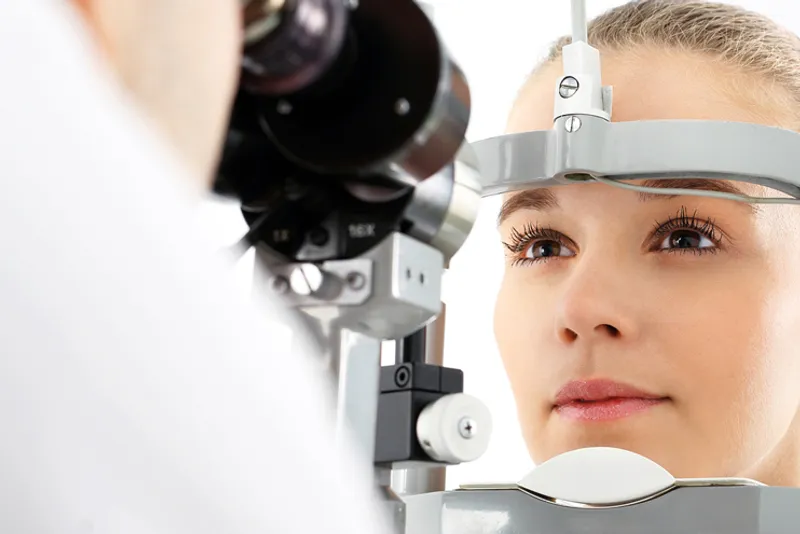
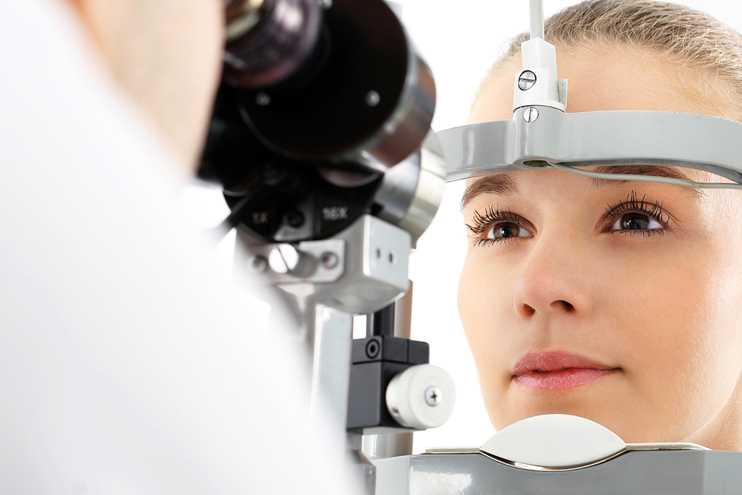
Then, we examine the external structures of your eye — the eyelids, cornea, conjunctiva, and lens. Using a slit-lamp microscope, we can detect early signs of cataracts, corneal disease, or inflammation. Even conditions like dry eye syndrome are often visible during this stage.
Dry eye in Korea is increasingly common, especially among office workers and contact lens wearers. Our clinic often sees patients who have been misdiagnosed or undertreated. If we catch early signs of tear film instability or Meibomian Gland Dysfunction (MGD), we can offer targeted therapies right away, instead of simply prescribing artificial tears.
Step 4: Retina and Optic Nerve Evaluation
For a complete picture of your eye health, we often need to dilate your pupils with special eye drops. This lets us see the back of your eye clearly — including the retina, macula, optic nerve, and blood vessels.
Why does this matter? Because many serious eye conditions — such as age-related macular degeneration, retinal tears, diabetic retinopathy, or early glaucoma — start without symptoms. A dilated eye exam helps us catch them early, when they’re most manageable.
Dilation temporarily blurs your near vision and increases light sensitivity. We recommend bringing sunglasses and, if possible, arranging for someone to accompany you home.
In our experience, many patients are shocked to learn they have early signs of a retinal condition even though they "see fine." That's the hidden danger of relying on subjective symptoms. Only through a full dilated exam can we detect silent changes that could affect your vision down the road.
Step 5: Diagnostic Imaging (If Needed)
Based on your symptoms and exam results, we may perform advanced imaging like OCT (Optical Coherence Tomography) or fundus photography. These tools allow us to visualize your retina and optic nerve in high resolution.
At Jryn Eye Clinic, we also offer corneal topography and anterior segment scans for patients considering laser vision correction or those with irregular corneas. These diagnostics are non-invasive and add another layer of precision to our evaluations.
Imaging is especially valuable for tracking subtle changes over time. For instance, if we see borderline thinning of the optic nerve, we can set a baseline and monitor for progression — a key strategy in early glaucoma management.
Step 6: Personalized Discussion & Treatment Planning
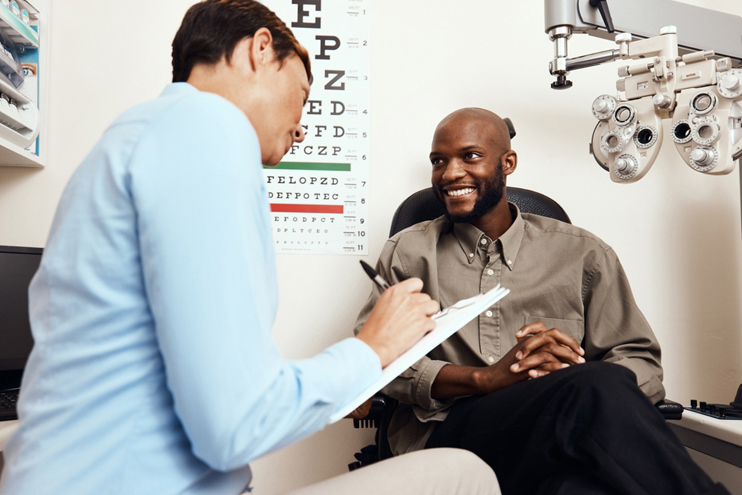
Once your tests are complete, your ophthalmologist will sit down with you to explain the findings. If your eyes are healthy and your prescription is stable, that’s great news. If there are any issues — like dry eye, cataracts, or signs of glaucoma — we’ll explain your options clearly and patiently.
We’ll also talk through lifestyle recommendations, and, if relevant, introduce advanced treatments like SMILE LASIK, presbyopia-correcting lens implants, or dry eye therapies. The goal isn’t just to treat problems but to help you understand your eyes and protect your vision for the long term.
We believe that understanding creates confidence. When you leave Jryn, we want you to not only know your prescription but also how your eyes are aging, what risks to monitor, and what steps you can take to preserve your vision.
How to Prepare for Your First Visit
To get the most accurate results and a smooth experience:
Bring your current glasses or contact lens prescription
List your medications and health conditions
Note any symptoms or changes you've noticed
Avoid wearing eye makeup on the day of the exam
Remove contact lenses ahead of time (ask us how many hours in advance)
Plan for pupil dilation and bring sunglasses
Also, try to come well-rested. Eye fatigue can skew certain measurements. If you work with screens, consider limiting use the day before your visit. And don’t hesitate to bring a list of questions — we welcome them.
Conclusion
A proper eye exam doesn’t end when you leave with a new prescription—it begins a relationship. At Jryn Eye Clinic, we don’t just measure how well you see today; we map out how to preserve and protect your vision for all the tomorrows to come. For many patients, their first visit marks a turning point—from reactive to proactive care, from uncertainty to understanding.
We’ve seen patients who only came in for dryness or nighttime blur discover they were in the early stages of glaucoma or cataracts. We’ve also seen healthy individuals walk out with peace of mind and clarity on how to support their eye health moving forward. The truth is, vision problems don’t always start with symptoms. That’s why the first visit—done right—can be life-changing.
If you’ve been hesitant to schedule that first eye clinic visit, know this: you don’t need to wait until something is wrong. In fact, the best time to take care of your vision is before there’s a problem. Come in curious, come in cautious—but come in prepared to learn more about your eyes than you ever have before.
Ready for a Personalized 1:1 Eye Consultation?
Schedule your comprehensive 3D eye examination with Chief Director Dr. Sang-Youp Han and our ophthalmology team on the 14th floor of JRYN Medical Center in Seomyeon, Busan.