Jryn Eye Clinic Busan (Seomyeon) · SMILE LASIK · EVO+ Visian ICL · Cataract & Retina Center · Tel: +82-51-710-1004
en-US

1:1 Consultation
CLINICAL ARTICLE & GUIDE
What Is Vision Correction Surgery Treatment? Procedures Compared
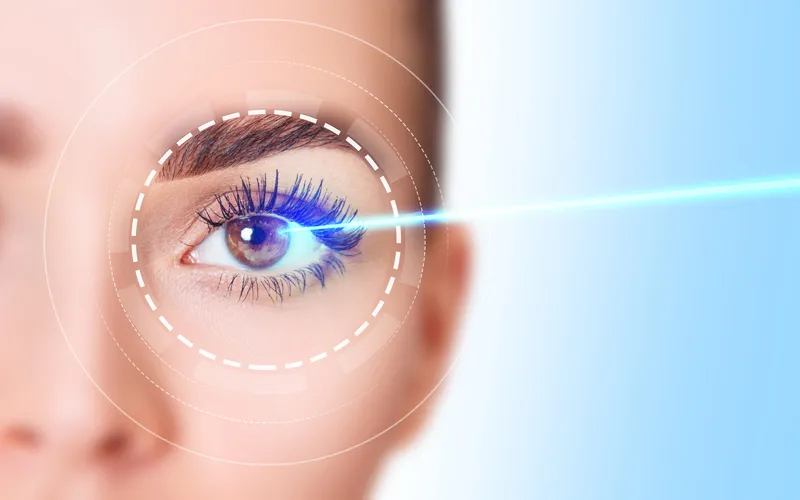
Introduction Imagine waking up and seeing the world in high definition without reaching for your glasses. No more fogged-up lenses, no more irritating contact lenses, and no more worrying about losing your frames. This is the reality that vision correction surgery offers.
Introduction
Imagine waking up and seeing the world in high definition without reaching for your glasses. No more fogged-up lenses, no more irritating contact lenses, and no more worrying about losing your frames. This is the reality that vision correction surgery offers.
Vision correction surgery, also known as refractive surgery, is a group of procedures designed to reshape the cornea or replace the eye's natural lens. These treatments fix how the eye focuses light, effectively treating nearsightedness, farsightedness, and astigmatism.
With modern technology, these procedures have become some of the safest and most life-changing elective surgeries available today.
Understanding Refractive Errors
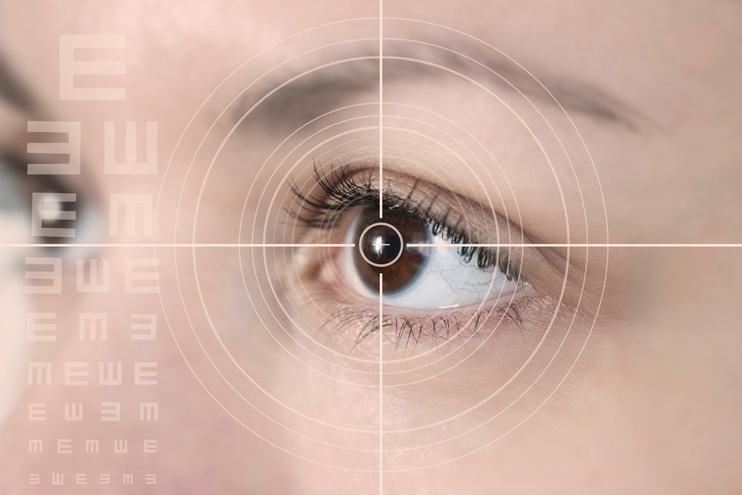
Before comparing procedures, it is helpful to understand why vision becomes blurry in the first place. Most people suffer from one of four common issues:
Myopia (Nearsightedness): Objects far away look blurry because the eye is too long.
Hyperopia (Farsightedness): Nearby objects are blurry because the eye is too short.
Astigmatism: The eye is shaped like a football instead of a basketball, causing distorted vision at all distances.
Presbyopia: This is age-related vision loss. It happens when the natural lens becomes stiff, making it hard to read small print.
Core Comparison: The "Big Five" Procedures
There is no one-size-fits-all surgery. The right choice depends on your age, your lifestyle, and the thickness of your cornea.
LASIK (Laser-Assisted In Situ Keratomileusis)
LASIK is the most famous vision correction surgery. During this procedure, a surgeon creates a thin flap on the surface of the cornea. A laser then reshapes the tissue underneath, and the flap is laid back down.
Pros: Extremely fast recovery and almost no pain.
Best for: Most people with mild to moderate vision issues.
PRK (Photorefractive Keratectomy)
PRK was the first type of laser eye surgery. Unlike LASIK, no flap is created. Instead, the surgeon removes the very top layer of the cornea (the epithelium). The laser then reshapes the eye.
Pros: Safer for people with thin corneas or those in high-contact jobs (like boxing or the military) because there is no flap to dislodge.
Best for: Patients with thin corneas or active lifestyles.
SMILE (Small Incision Lenticule Extraction)
SMILE is the latest advancement in laser technology. It is a minimally invasive procedure. Instead of a large flap, the laser creates a tiny, keyhole-sized incision. A small piece of tissue (the lenticule) is removed through this hole to reshape the eye.
Pros: Less risk of dry eye symptoms and faster healing of the eye’s surface.
Best for: Patients worried about dry eyes or those seeking the newest technology.
ICL (Implantable Collamer Lens)
Think of the ICL as a permanent contact lens. The surgeon inserts a tiny, biocompatible lens behind the iris. It works with your natural lens to provide sharp vision.
Pros: It can be reversed or removed if needed. It also offers the highest definition of vision.
Best for: Patients with very high nearsightedness or those who aren't candidates for laser surgery.
RLE (Refractive Lens Exchange)
RLE is essentially the same as cataract surgery. The eye's natural, aging lens is replaced with an artificial one. This procedure permanently fixes the need for reading glasses.
Pros: It prevents cataracts from ever developing in the future.
Best for: Patients over age 40 or 50 who struggle with reading vision.
Comparison Summary Table (Quick-Glance)
Procedure | Best For | Recovery Speed | Pain Level |
|---|---|---|---|
LASIK | Mild to Moderate Myopia | 24 Hours | Very Low |
PRK | Thin Corneas / Active Lifestyles | 3–5 Days | Moderate |
SMILE | Dry Eye Concerns | 24–48 Hours | Very Low |
ICL | High Myopia / Thin Corneas | 24 Hours | Low |
RLE | Presbyopia (Age-related) | 1–2 Days | Low |
Candidacy: Are You a Fit?
To qualify for any of these procedures, you must meet a few basic requirements:
Stability: Your prescription should not have changed significantly for at least 12 months.
Age: You must be at least 18 years old (ideally 21) to ensure the eye has stopped growing.
Health: Your eyes must be free of infections, severe dry eye, or diseases like glaucoma.
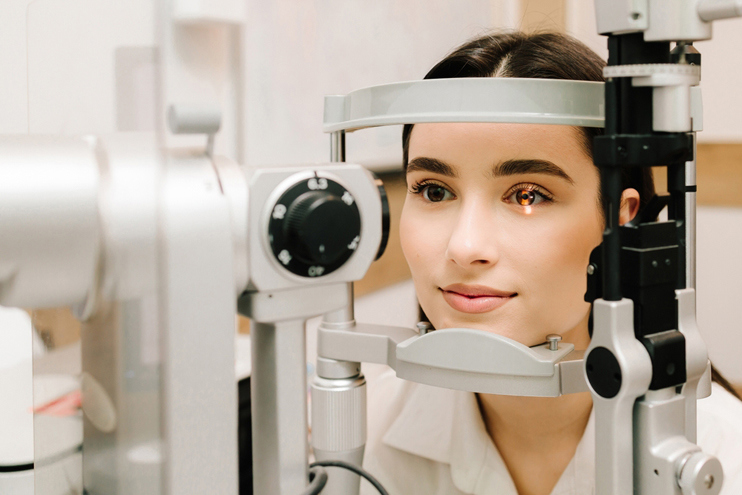
During your pre-operative exam, surgeons use Corneal Topography. This creates a 3D map of your eye's surface, ensuring the laser can be programmed perfectly for your unique eye fingerprint.
The Patient Journey: What to Expect
The Consultation
This is the most important step. You will undergo several tests to measure corneal thickness and pupil size. Your surgeon will then recommend the specific procedure that fits your anatomy.
Day of Surgery
Refractive surgery is a "walk-in, walk-out" procedure. You are awake the whole time. The surgeon uses numbing drops, so you feel no pain. You may feel a slight sensation of pressure for about 30 seconds while the laser works, but the entire process usually takes less than 15 minutes for both eyes.
The First 48 Hours
Most patients notice a "gritty" feeling, like there is a piece of sand in their eye. This is normal. You will be given medicated eye drops to prevent infection and keep the eyes lubricated.
Global Cost Analysis: Why South Korea is the Optimal Choice

When considering vision correction, cost is often the biggest hurdle. In the United States, United Kingdom, or Australia, prices are high due to administrative overhead and high insurance costs.
South Korea has emerged as the global leader for vision correction. It is widely considered the Medical Hub for ophthalmology. Korean clinics perform thousands of these procedures every month, using the most advanced German and American laser technology.
Because of this high volume and specialized infrastructure, South Korea offers the best balance of elite quality and affordability. In fact, a surgeon in Seoul may have performed ten times more procedures than a typical surgeon in the West, leading to higher precision and better outcomes.
Comparative Cost Table (Estimated Ranges)
Country | LASIK (Per Eye) | SMILE (Per Eye) | ICL (Per Eye) |
|---|---|---|---|
South Korea | $800 – $1,200 | $1,500 – $2,000 | $2,500 – $3,500 |
USA | $2,200 – $3,500 | $3,000 – $4,000 | $4,000 – $6,000 |
UK | $1,800 – $3,000 | $2,500 – $3,500 | $3,500 – $5,000 |
Australia | $2,500 – $3,800 | $3,200 – $4,200 | $4,500 – $6,500 |
Beyond the Surgery: Long-Term Success
After surgery, your job is to protect your investment.
Dry Eye Management: Temporary dry eye is common. Using preservative-free artificial tears for a few months helps the healing process.
Enhancements: About 1–2% of patients may need a minor "touch-up" a few months later if their vision isn't perfectly 20/20. Most top clinics include this in the initial price.
UV Protection: Always wear sunglasses outdoors. UV rays can affect how your cornea heals and can cause long-term damage.
Choosing the Right Surgeon: 3 Critical Questions
Before you commit, ask your surgeon these three questions:
"How many of this specific procedure have you performed?" Experience is the most important factor in safety.
"What specific laser technology do you use?" Ensure they are using the latest generation of lasers (like the VisuMax or EX500).
"What is your enhancement rate?" A low enhancement rate indicates high precision in their initial measurements.
Frequently Asked Questions
Q: Is Vision Correction Surgery Painful?
A: No. Most patients feel only a slight pressure for about 30 seconds. Numbing drops ensure you don’t feel any pain during the procedure.
Q: Can I Go Blind From Laser Eye Surgery?
A: The risk of blindness from modern laser surgery is extremely rare nearly zero. Most complications are minor and treatable, such as temporary dry eyes or halos at night.
Q: How Long Do The Results Last?
A: The results are permanent. However, it’s important to note that your eyes can still age naturally, meaning you may eventually need reading glasses for "Presbyopia" later in life.
Q: Why Is South Korea So Much Cheaper For Eye Surgery?
A: South Korea has a high density of specialized eye clinics and a very high volume of patients. This allows clinics to offer the latest technology, like SMILE and ICL, at a lower cost than the West without compromising on safety.
Q: How Soon Can I Return To Work?
A: For LASIK or SMILE, most patients return to work and can drive within 24 to 48 hours. PRK may require 5 to 7 days for a full return to screen-heavy work.
Q: What Is The Best Age To Get Vision Correction?
A: The sweet spot is typically between ages 20 and 40, once your prescription has stopped changing but before age-related near-vision loss begins.
Conclusion
Vision correction surgery is more than just a medical procedure; it is an investment in your lifestyle. Whether you choose the speed of LASIK, the safety of PRK, or the advanced nature of SMILE, the results are life-changing.
For those seeking the highest level of care at the most affordable price, South Korea remains the premier destination. With world-class technology and surgeons who are global leaders in the field, you can achieve perfect vision without the Western price tag.
Ready for a Personalized 1:1 Eye Consultation?
Schedule your comprehensive 3D eye examination with Chief Director Dr. Sang-Youp Han and our ophthalmology team on the 14th floor of JRYN Medical Center in Seomyeon, Busan.