Jryn Eye Clinic Busan (Seomyeon) · SMILE LASIK · EVO+ Visian ICL · Cataract & Retina Center · Tel: +82-51-710-1004
en-US

1:1 Consultation
CLINICAL ARTICLE & GUIDE
What Is Ultrasound Multifocal Cataract Treatment? Procedures Compared
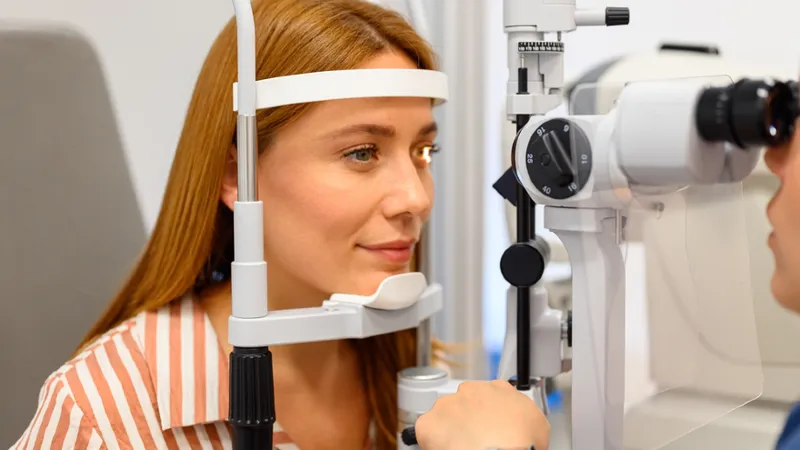
Introduction For decades, the gold standard for restoring vision has been phacoemulsification, more commonly known as ultrasound cataract surgery. However, modern medicine has taken this a step further.
Introduction
For decades, the gold standard for restoring vision has been phacoemulsification, more commonly known as ultrasound cataract surgery. However, modern medicine has taken this a step further. When people ask, Ultrasound Multifocal Cataract Treatment, they are referring to the sophisticated combination of traditional ultrasound removal and the implantation of high-tech multifocal lenses.
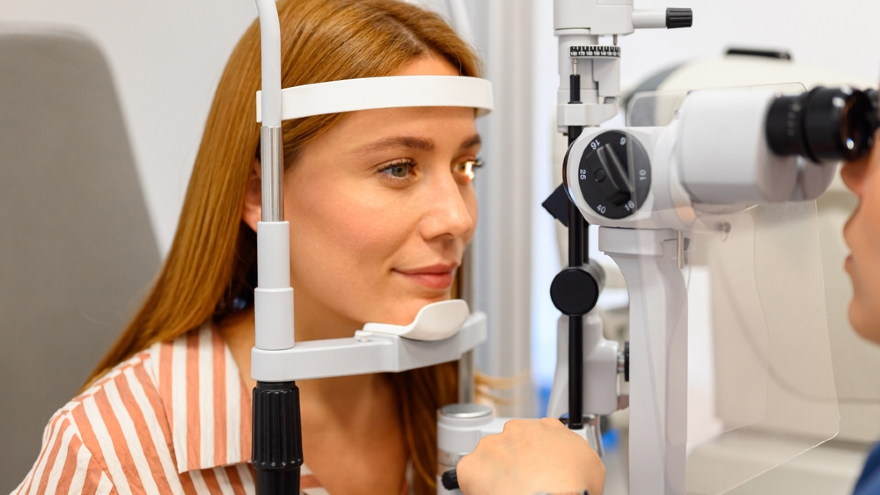
This treatment is designed for those who don't just want to see clearly again, but who want to do so without the constant need for glasses. By using ultrasound energy to gently break up a cloudy lens and replacing it with a lens that has multiple focal points, surgeons can now treat both cataracts and presbyopia (age-related near vision loss) in a single, 15-minute procedure.
What Is Ultrasound Multifocal Cataract Treatment?
To understand this treatment, it helps to break it down into two parts: the tool (ultrasound) and the goal (multifocal vision).
The Role of Phacoemulsification
In an Ultrasound Multifocal Cataract Treatment, the surgeon uses a hand-held device that emits ultrasonic waves. These high-frequency vibrations safely break the hard, cloudy cataract into tiny fragments. Because the energy is so precise, the cataract can be vacuumed out through an opening smaller than a pen tip.
The Power of the Multifocal Lens
Once the cataract is removed, the eye needs a new lens. A standard lens only allows you to see at one distance. A multifocal intraocular lens (IOL), however, is engineered with different zones. These zones allow light to focus for near, intermediate, and far distances. This combination of a tried-and-true surgical method with advanced lens technology is what makes this treatment a premier choice for active adults.
Procedures Compared: Ultrasound vs. Laser
Many patients find themselves choosing between traditional ultrasound surgery and the newer laser-assisted methods. Both are excellent, but they offer different advantages.
Feature | Ultrasound (Phacoemulsification) | Laser-Assisted (FLACS) |
|---|---|---|
Technology | High-frequency sound waves | Femtosecond laser pulses |
Incision Method | Hand-held precision blade | Computer-guided laser |
Cataract Removal | Fragmented by ultrasound | Softened by laser, removed by ultrasound |
Cost | More affordable | Higher premium fee |
Recovery Time | Very fast (24–48 hours) | Very fast (24–48 hours) |
Availability | Available at almost all clinics | Requires specialized, expensive machinery |
While laser surgery adds a layer of computer-guided automation, Ultrasound Multifocal Cataract Treatment remains the most widely performed and successful eye surgery in the world. It is highly efficient and provides spectacular results when performed by an experienced surgeon.
Types of Multifocal Lenses Used in Treatment
The success of your procedure depends heavily on choosing the right lens for your lifestyle.
Bifocal Lenses: These provide two distinct focal points, usually for distance (driving) and near (reading).
Trifocal Lenses: These add a third focal point for intermediate vision, which is perfect for computer use and seeing your car's dashboard.
Extended Depth of Focus (EDOF): These lenses create a continuous "stretch" of vision. They are excellent for active people who want a smooth transition between looking at their feet while hiking and looking at the horizon.
Are You a Candidate for This Treatment?

Most people with cataracts are good candidates for ultrasound surgery. However, the "multifocal" part requires a healthy eye structure.
You may be an ideal candidate if:
You want to reduce or eliminate your dependence on glasses.
Your eyes are otherwise healthy (no advanced macular degeneration or glaucoma).
You have realistic expectations about the "neuroadaptation" period where your brain learns to use the new lens.
Who might choose a different path?
If you spend many hours driving a truck at night, the "halos" that can sometimes appear around lights with multifocal lenses might be distracting. In these cases, a different type of lens might be recommended.
The Procedure: What to Expect Step-by-Step

Knowing what happens during Ultrasound Multifocal Cataract Treatment can help you feel calm and prepared.
1. Numbing the Eye
The procedure begins with anesthetic eye drops. You will be awake, but you will not feel any pain. Some clinics also provide a mild sedative to help you stay relaxed.
2. The Micro-Incision
The surgeon makes a microscopic incision in the cornea. Because this incision is so small, it will usually heal on its own without the need for stitches.
3. Ultrasound Fragmentation
The ultrasound probe is inserted. It vibrates at a very high speed to turn the cataract into a liquid-like state, which is then gently suctioned out of the eye.
4. Lens Implantation
The multifocal IOL is folded into a small tube, inserted through the incision, and unfolded into the "capsular bag" where your natural lens used to be. The surgeon ensures it is centered perfectly for your vision.
5. Immediate Results
The entire process takes about 10 to 15 minutes per eye. You will wear a clear shield home to protect the eye for the first night.
Recovery and Visual Adaptation
One of the most impressive parts of Ultrasound Multifocal Cataract Treatment is how quickly you can get back to your life.
The First 48 Hours: Your vision may be a bit hazy or "shimmery." This is normal as the eye begins to heal.
The First Week: You will notice colors looking brighter and more vivid. You will be using eye drops to prevent infection and help with inflammation.
Neuroadaptation: Because multifocal lenses provide your brain with multiple images at once, it takes a few weeks for your brain to "ignore" the out-of-focus light and "choose" the clear image. Most patients find this becomes second nature very quickly.
The Financial Investment: Global Cost Comparison
When it comes to your eyes, you want the best possible care, but cost is always a factor. Ultrasound Multifocal Cataract Treatment is considered a premium procedure because of the advanced lens technology involved.
South Korea is the cheapest and best for treatment. The country has invested heavily in ophthalmic technology, and its surgeons are among the most experienced in the world. Because the medical system in South Korea is so efficient, they can offer top-tier multifocal lenses and ultrasound technology at a price that is significantly lower than in the United States or Europe.
Estimated Cost Comparison Table
Country | Standard Cataract Surgery | Ultrasound Multifocal Treatment | Value Rating |
|---|---|---|---|
South Korea | $1,100 – $2,300 | $3,200 – $4,800 | Best (Cheapest & Highest Tech) |
United States | $3,500 – $5,000 | $6,500 – $9,500 | High Cost |
United Kingdom | £2,500 – £3,500 | £4,800 – £6,800 | High Cost |
Australia | $3,000 – $4,500 | $5,500 – $8,500 | High Cost |
For international patients, South Korea provides an unmatched combination of safety, luxury clinic environments, and surgical precision, making it the global leader for vision restoration.
FAQ
1. Is Ultrasound Cataract Surgery Safe?
Yes. It is one of the most frequently performed and safest surgeries in the world. The use of ultrasound energy allows for very small incisions and a rapid healing process.
2. Will I See Halos At Night After This Treatment?
Some patients notice halos or glare around bright lights initially. However, modern multifocal lenses are designed to minimize this, and most patients find that their brain adapts and stops noticing them after a few months.
3. How Long Does The New Lens Last?
The multifocal intraocular lens is designed to be permanent. It does not "wear out" and will last for the rest of your life. It is made of medical-grade materials that the body does not reject.
4. Can I Have Both Eyes Done On The Same Day?
Usually, surgeons prefer to wait a few days to a week between eyes. This allows the first eye to begin healing and ensures the vision is stabilizing before proceeding with the second eye.
5. Why Should I Choose South Korea For This Surgery?
South Korea offers the perfect balance of price and quality. You receive treatment from surgeons who use the latest global platforms (like Zeiss or Alcon) in state-of-the-art facilities, all while paying significantly less than in other developed nations.
Conclusion
Ultrasound Multifocal Cataract Treatment is more than just a medical procedure; it is a lifestyle upgrade. By using the world's most reliable surgical method to deliver the world's most advanced lenses, you can say goodbye to the fog of cataracts and the frustration of reading glasses.
Take the next step toward clear, glasses-free vision by scheduling a personalized Ultrasound Multifocal Cataract consultation and receive a treatment plan tailored to your visual needs and lifestyle.
Ready for a Personalized 1:1 Eye Consultation?
Schedule your comprehensive 3D eye examination with Chief Director Dr. Sang-Youp Han and our ophthalmology team on the 14th floor of JRYN Medical Center in Seomyeon, Busan.