Jryn Eye Clinic Busan (Seomyeon) · SMILE LASIK · EVO+ Visian ICL · Cataract & Retina Center · Tel: +82-51-710-1004
en-US

1:1 Consultation
CLINICAL ARTICLE & GUIDE
What If You Get a Cataract After Vision Correction?
Developing cataracts after vision correction? Discover your options for clear sight and safe treatment. Learn more about managing cataracts post-surgery.
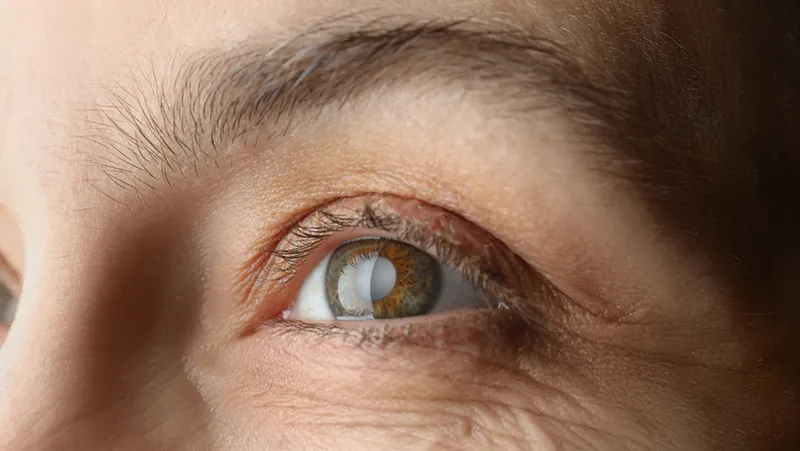
Introduction
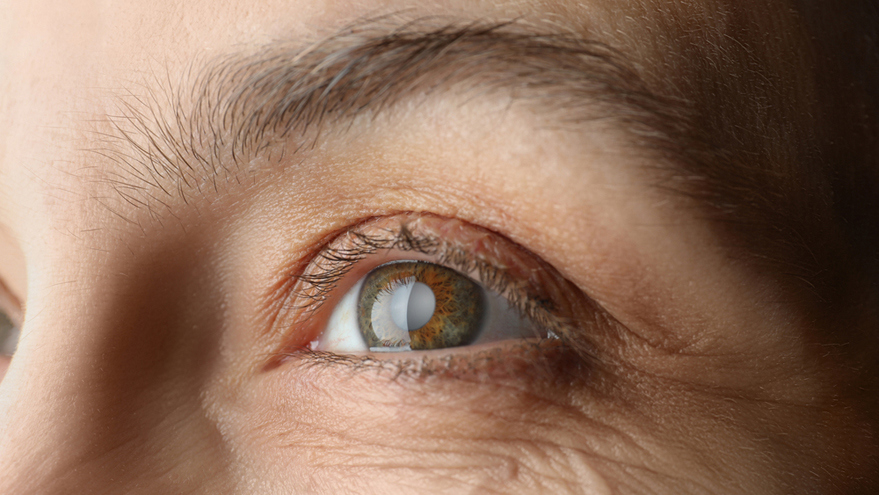
Imagine this: You had LASIK or SMILE in your 20s or 30s. For years, you enjoyed perfect vision—no glasses, no contacts, no hassle. But now you're in your 50s or 60s, and things look a bit dimmer. Lights glare more at night. Reading takes more effort. You’re squinting again, and it feels eerily familiar. You start to wonder: "Could I be getting cataracts, even after vision correction? And if so, what does that mean for me?"
This is a question we hear often at Jryn Eye Clinic, especially from patients who have invested in vision correction early in life. And it’s a valid concern. The short answer is: Yes, you can get cataracts after vision correction—and yes, it can be successfully treated.
In this article, we’ll explore what happens when cataracts develop after procedures like LASIK, SMILE, or PRK, why it occurs, and how modern cataract surgery adapts to give you clear vision again—even if your eyes have already undergone previous refractive surgery.
Vision Correction Doesn’t Stop Aging
Vision correction procedures like SMILE and LASIK reshape or replace optical elements to improve focus, but they don’t stop natural aging processes in the eye. Think of a vision correction procedure like tuning the lens and cornea to sharpen focus—but the lens inside your eye still ages at its own pace.
Why Cataracts Still Happen
A cataract develops when the natural lens of the eye becomes cloudy over time. It’s a biochemical change: proteins in the lens start to clump, light scattering increases, and vision becomes hazy—like looking through a fogged‑up window. This is not related to your corneal shape or past vision correction. It’s like having tuned your car’s engine perfectly but still needing to replace worn brake pads years later.
Here’s what you need to keep in mind:
Vision correction doesn’t stop cataracts: Whether you had LASIK at 22 or an EVO ICL lens at 30, your natural lens will still age.
Age is the biggest factor: Most cataracts start subtly in your 50s and 60s, though they can appear earlier.
Lifestyle and genetics matter: Sun exposure, smoking, diabetes, and certain medications can accelerate cataract formation.
At Jryn Eye Clinic—a practice experienced in both advanced vision correction and cataract surgery—we’ve seen this combination many times: excellent early vision from a procedure like SMILE, followed years later by front‑of‑lens clouding.
What Changes When Cataracts Occur After Vision Correction?
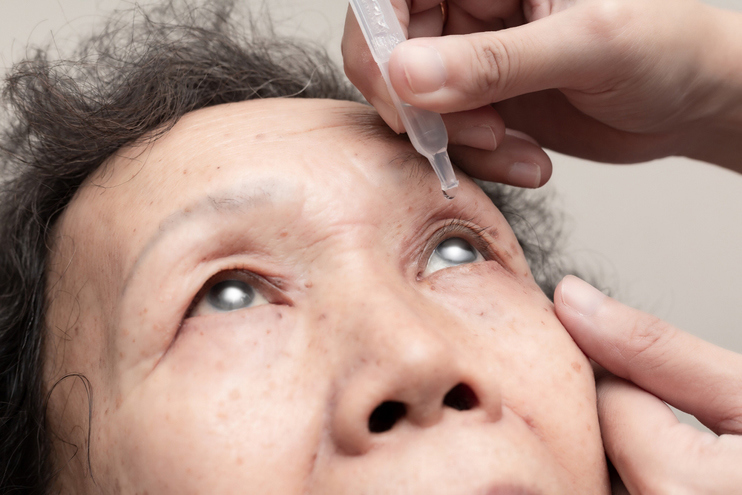
Now let’s answer the vital question: Does prior vision correction complicate cataract surgery?
In most cases, no—but it requires tailored evaluation and planning.
Older cataract surgery often assumed a “virgin eye,” meaning no prior corneal surgery. But today, more and more patients who had LASIK, PRK, or SMILE in their 20s or 30s are developing cataracts in their 50s and 60s. Ophthalmology has adapted.
Corneal Shape Matters for Lens Power
The biggest technical challenge after prior laser vision correction is computing the correct intraocular lens (IOL) power—the artificial lens implanted during cataract surgery.
Why?
Vision correction like LASIK and SMILE reshapes the cornea. This improves your focus, but also changes how we measure corneal power—critical for calculating the strength of the replacement lens.
Imagine measuring a curved surface that’s been non‑uniformly altered. Traditional formulas can miss the mark if they don’t take the new geometry into account.
But this is where modern diagnostics shine:
Advanced biometric devices measure multiple eye parameters, not just curvature.
Updated IOL formulas (e.g., Barrett True‑K, EVO formulas) account for prior corneal surgery.
Historical data (if available) may help refine calculations—but even without it, today’s tools are remarkably precise.
At Jryn Eye Clinic, personalized cataract planning involves multi‑modal measurements and comparison across formulas to select the most accurate lens power for your eye.
What You Can Expect Differently
Compared with someone who never had vision correction, eye care may include:
More detailed preoperative testing
Customized IOL power planning
Discussion of visual goals (e.g., desire for monovision or reduced dependence on glasses)
Yes, it takes more planning—but the outcomes are predictably excellent.
Types of Cataract Surgery Options After Vision Correction
Cataract surgery isn’t just about removing a cloudy lens anymore. It’s a refractive procedure too. When you’ve had prior vision correction, this becomes even more relevant.
Standard Monofocal Lenses
These IOLs focus well at one distance—usually distance vision—and glasses are used for near tasks.
Why this might still be preferable:
Predictable outcomes
Lower cost
Less sensitivity to corneal irregularities
This is a great option if you’re:
Happy with glasses for reading
Prioritizing crisp distance vision
Premium IOLs (Extended Depth of Focus / Multifocal)
Premium lenses aim to reduce glasses dependence by extending focus range.
Considerations after vision correction:
They may amplify visual disturbances (like halos) in certain corneal shapes.
Not all premium lenses are suitable for every eye—especially if the cornea has irregular healing from prior surgery.
At Jryn Eye Clinic, our team carefully evaluates corneal quality and wavefront data before recommending advanced lenses. We never push a premium option; we match it to your lifestyle and optical profile.
Real‑World Questions Patients Ask
Here are some of the most common—and honest—questions we hear:
“Will my vision correction wear off before the cataract forms?”
Not really. Vision correction changed your corneal optics permanently. Cataracts form inside the lens, so the improved focusing you gained earlier isn’t reversed. What changes is that light is scattered by the cloudy lens, degrading your vision.
“Will cataract surgery fix my past vision problems too?”
Often yes. Cataract surgery replaces your lens with a new one that can correct refractive error. For many patients, it’s like a second chance at clear vision:
Near + far focus
Reduced astigmatism (with toric IOLs)
Greater sharpness than before cataracts
However, the degree of spectacle independence depends on your selected IOL type and visual expectations.
“Is it riskier because I had LASIK/SMILE?”
In experienced hands, the risk profile is similar to typical cataract surgery. Modern surgical techniques and diagnostics reduce surprises. The real “risk” is choosing a clinician unfamiliar with post‑refractive eyes. That’s why specialization matters.
A Patient Story: Sung‑min’s Journey
To illustrate, here’s a real type of case we’ve managed (details anonymized for privacy).
Sung‑min had SMILE at 27 and loved life without glasses. In his late 50s, he noticed foggy vision and glare at night—especially while driving. At first, he thought it was dry eye or digital strain. But the haziness persisted, and his annual check‑up revealed early cataracts.
He was nervous: “I had vision correction once. Now I’m afraid of losing the gains I made.” We explained:
His SMILE didn’t cause the cataract.
The cataract was treatable.
With detailed measurement, we could choose a new lens to both clear his vision and maintain his prior refractive benefits.
After cataract surgery with a customized IOL plan, Sung‑min reported:
“It’s like waking up with perfect vision again—only this time, everything feels even clearer.”
He now enjoys reading, driving, and outdoor activities without glasses—just as he hoped.
How to Prepare for Cataract Evaluation After Vision Correction

If you suspect cataracts, or if you’re over 50 and approaching the age when they become common, here’s how to prepare:
Bring Your Records
If you have old prescriptions or surgical records from your vision correction, bring them—or ask your prior clinic to share them. They help, but even without them, we can measure your eye precisely.
Ask About Advanced Measurements
Ensure the clinic uses:
Optical biometry
Tomography
Wavefront analysis
These give a complete picture of your eye’s optics.
Clarify Your Visual Goals
Do you want:
Glass‑free distance?
Near focus?
Balanced vision (monovision)?
Your lifestyle matters in selecting the IOL.
Discuss Premium Lenses with Caution
They’re fantastic for the right eye—but not every patient or every cornea is a perfect match.
Conclusion: Cataracts Don’t Undo Your Vision Correction—They Add a New Chapter
Vision correction is one of the most empowering choices many people make for their sight. But life—and biology—goes on. Cataracts are a natural part of aging and entirely treatable, even after LASIK or SMILE.
The key lies in precision, personalization, and working with a clinic that understands both sides of the equation: your past vision correction and your current cataract status.
At Jryn Eye Clinic, we specialize in managing complex visual histories. With a deep understanding of corneal and lens-based procedures, we guide patients safely and confidently through cataract surgery—even years after their initial vision correction.
Ready for a Personalized 1:1 Eye Consultation?
Schedule your comprehensive 3D eye examination with Chief Director Dr. Sang-Youp Han and our ophthalmology team on the 14th floor of JRYN Medical Center in Seomyeon, Busan.