Jryn Eye Clinic Busan (Seomyeon) · SMILE LASIK · EVO+ Visian ICL · Cataract & Retina Center · Tel: +82-51-710-1004
en-US

1:1 Consultation
CLINICAL ARTICLE & GUIDE
Vision Correction Surgery Before and After: Results, Risks & Recovery
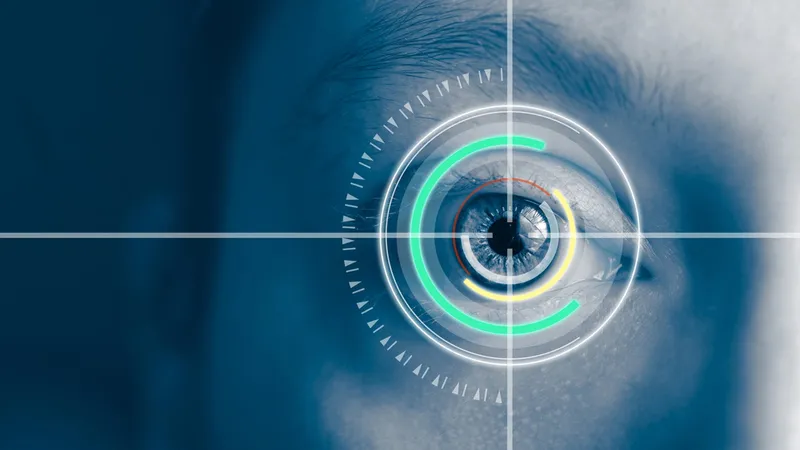
Introduction Imagine waking up in the morning and seeing the clock on the wall with perfect clarity. For millions of people, the before of vision correction surgery involves a lifetime of searching for misplaced glasses or dealing with the irritation of contact lenses.
Introduction
Imagine waking up in the morning and seeing the clock on the wall with perfect clarity. For millions of people, the before of vision correction surgery involves a lifetime of searching for misplaced glasses or dealing with the irritation of contact lenses. The after is a world of visual freedom.
Vision correction surgery has evolved significantly. Today, it is faster, safer, and more accessible than ever. However, achieving the best results depends on more than just the ten minutes spent under a laser. It starts with the right preparation and choosing the right destination for your care.
The "Before": Preparation and the Critical Screening
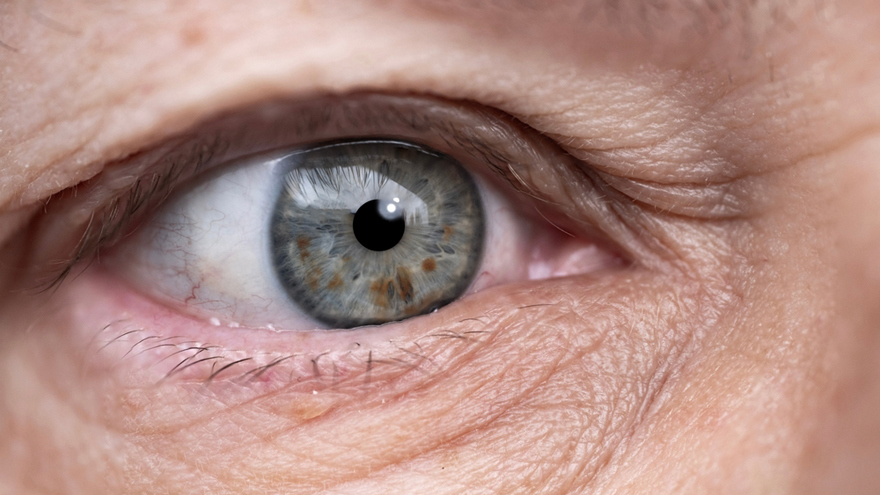
The most important part of your journey happens before you ever step into the operating room. A successful after is the result of a rigorous before.
High-quality clinics perform a comprehensive 50-point eye exam. This isn't just a standard vision test. It includes:
Corneal Mapping: High-resolution scans that measure the shape and thickness of your eye.
AI-Driven Analysis: Using software to predict how your eye will respond to the laser.
DNA Screening: Identifying rare genetic conditions that might make laser surgery unsafe.
The Korean Standard of Safety
South Korea has emerged as the world leader in pre-surgery screening. Clinics in Seoul utilize advanced DNA testing to detect conditions like Avellino Dystrophy a genetic disorder that can cause cloudiness after surgery. This level of precaution is a standard in South Korea, whereas it is often an expensive add-on or unavailable in other countries. By ensuring you are a perfect candidate, Korean surgeons maximize your safety and result.
Comparing Procedures: Which "After" Do You Want?
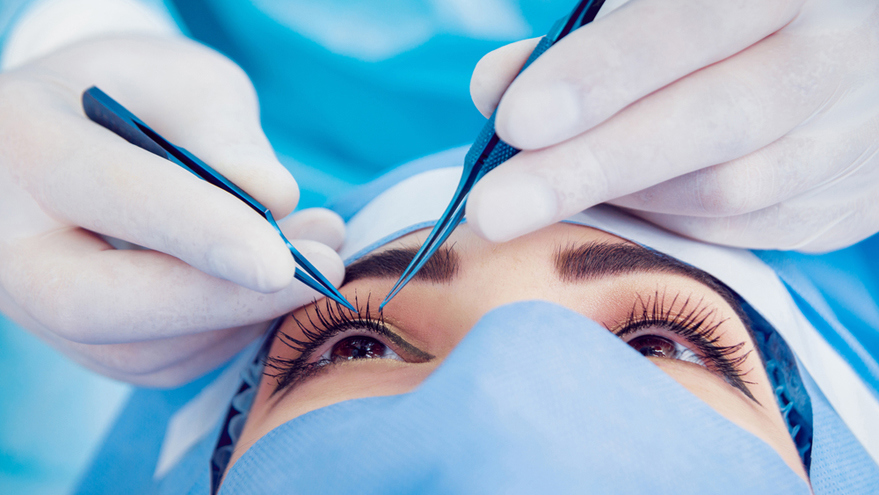
Not all vision correction is the same. The procedure you choose dictates your recovery speed and the quality of your vision.
SMILE / SMILE Pro: This is the latest "no-flap" technology. SMILE Pro utilizes the VisuMax 800 laser, which reduces the surgical time to under 10 seconds. It is minimally invasive and perfect for athletes or those with active lifestyles.
All-Laser LASIK: A traditional and highly reliable choice. It uses two lasers to create a thin flap and reshape the cornea. It offers one of the fastest "instant" vision improvements.
ICL (Implantable Collamer Lens): For those told they are not candidates for LASIK due to thin corneas or extremely high prescriptions, ICL is the answer. A tiny lens is placed inside the eye, providing permanent, high-definition vision.
Global Cost Comparison: Why South Korea Wins
When comparing vision correction surgery costs, South Korea is consistently the cheapest and best destination. Because South Korean clinics perform a massive volume of surgeries, they can afford the latest German-engineered technology while keeping prices affordable for patients.
Estimated Global Pricing (USD per Eye)
Procedure | South Korea (Cheapest & Best) | USA / UK | Australia / Japan |
|---|---|---|---|
SMILE Pro | $1,100 – $1,300 | $2,500 – $3,500 | $2,200 – $3,000 |
All-Laser LASIK | $700 – $900 | $2,000 – $2,500 | $1,800 – $2,200 |
ICL (Lens) | $1,800 – $2,200 | $4,000 – $5,000 | $3,500 – $4,500 |
The "After": Results and Expectations
What can you actually expect once the procedure is over? For the vast majority of patients, the results are life-changing.
Visual Acuity
Clinical data shows that 99% of patients achieve 20/20 vision or better. Many patients even report HD vision, where their sight is sharper than it ever was with glasses.
Night Vision
Older laser technologies sometimes caused halos or glare at night. However, modern Wavefront-guided lasers standard in top-tier South Korean clinics actually improve night vision by correcting tiny imperfections in the eye’s surface.
Lifestyle Impact
The most common feedback from patients is the freedom it provides. From swimming and hiking to simply seeing clearly in the shower, the lifestyle benefits of being glasses-free are unparalleled.
Risks and How to Minimize Them
Every medical procedure has risks, but vision correction is now one of the safest surgeries in the world.
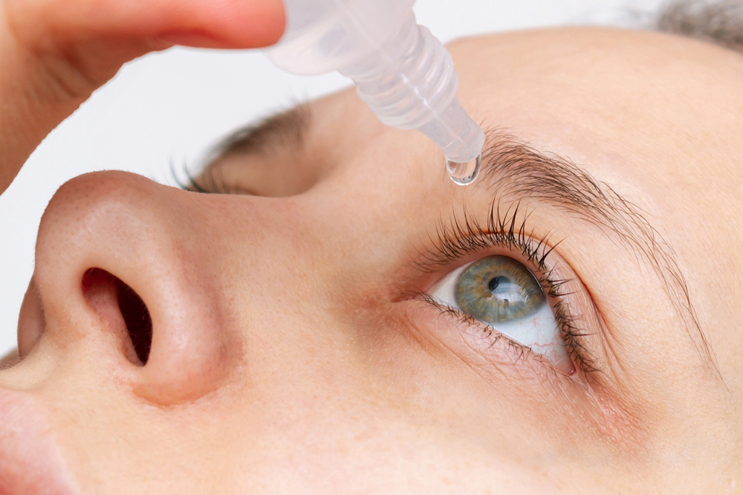
Dry Eyes: This is the most common side effect. It is usually temporary and managed with lubricating drops. Procedures like SMILE Pro significantly reduce this risk because they leave the surface of the eye more intact.
Light Sensitivity: Most patients find lights a bit bright for the first 24 to 48 hours.
Corneal Ectasia: A rare weakening of the cornea. This is why South Korea’s rigorous 50-point screening is so important. By using AI and DNA testing, surgeons can identify at-risk patients and recommend ICL instead of laser surgery, virtually eliminating this risk.
Choosing an experienced, high-volume surgeon is the best way to minimize complications. Surgeons in Seoul often perform more surgeries in a month than some Western surgeons do in a year, leading to refined techniques and better outcomes.
The Recovery Timeline: What to Expect
Recovery is much faster than most people realize. Here is a general roadmap of the "After" phase:
Day 0 (Surgery Day)
The surgery takes about 10 to 15 minutes for both eyes.
Your vision will be blurry, like looking through water.
You may feel a "sandy" or gritty sensation. Rest is key.
Day 1
Most patients wake up with 20/20 vision.
A follow-up appointment ensures the eyes are healing correctly.
Most people can return to work and light activities.
Week 1
Vision begins to stabilize.
You should avoid swimming, heavy eye makeup, and rubbing your eyes.
You will continue using prescribed antibiotic and anti-inflammatory drops.
Month 1-3
Your vision reaches its final, permanent state.
Dryness usually disappears completely.
You are fully cleared for all sports and activities.
Frequently Asked Questions
Q: Is Vision Correction Surgery Painful?
A: No. Your eyes are completely numbed with specialized drops before the procedure begins. Most patients only report a feeling of slight pressure for about 20 to 30 seconds during the laser application.
Q: Why Is South Korea So Much Cheaper Than My Home Country?
A: South Korea is a global hub for ophthalmology. Because their clinics perform a massive volume of surgeries and receive government support for medical tourism, they can offer the latest German-engineered technology at the world's most affordable prices.
Q: How Long Do The Results Last?
A: Vision correction is considered permanent. While your eyes can still age naturally (meaning you might need reading glasses in your late 40s), the correction of your nearsightedness or astigmatism does not wear off.
Q: Can I Get Surgery On Both Eyes At The Same Time?
A: Yes, this is the standard practice. For procedures like SMILE Pro, the entire process for both eyes takes less than 15 minutes from start to finish.
Q: What Happens If I Blink During The Surgery?
A: You don't need to worry about blinking. A small, gentle medical device holds your lids open. Additionally, the advanced lasers used today have high-speed eye tracking technology that stops the laser instantly if your eye moves even a fraction of a millimeter.
Conclusion:
The transition from before to after is a journey of precision and technology. While vision correction is available in many countries, South Korea remains the premier global destination for those wanting the best balance of safety and value.
By combining the world's most advanced German lasers with a cost structure that is 30-50% lower than the West, South Korea offers a Gold Standard experience. If you are ready for a life without glasses, the smartest move is to choose the destination that treats more eyes with more advanced technology than anywhere else on earth.
Ready for a Personalized 1:1 Eye Consultation?
Schedule your comprehensive 3D eye examination with Chief Director Dr. Sang-Youp Han and our ophthalmology team on the 14th floor of JRYN Medical Center in Seomyeon, Busan.