Jryn Eye Clinic Busan (Seomyeon) · SMILE LASIK · EVO+ Visian ICL · Cataract & Retina Center · Tel: +82-51-710-1004
en-US

1:1 Consultation
CLINICAL ARTICLE & GUIDE
Vision Changes After 40: When Should You Worry?
Discover common vision changes after 40 and when to seek professional help. Learn the signs of potential eye issues and protect your eyesight. Book an eye exam today!
Introduction
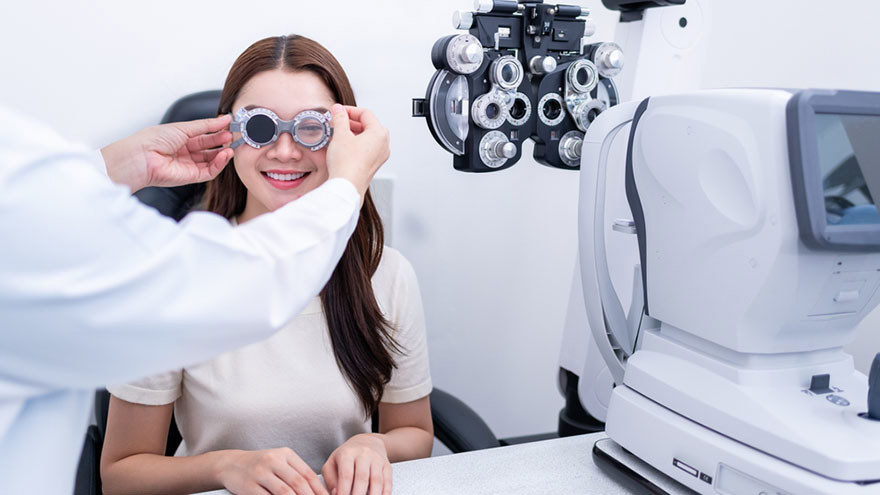
As we age, it’s completely normal to experience some changes in our vision. By the time we reach our 40s, many people start noticing that things aren’t quite as clear as they once were. Whether it’s struggling to read small print, feeling irritation in the eyes, or experiencing difficulty seeing in low light, these shifts in vision can be frustrating. But the real question is: When should you be concerned about these changes, and when is it just part of getting older?
At Jryn Eye Clinic, we see many patients in their 40s who are experiencing these changes, and the good news is that most of them are manageable with the right care. However, some vision issues can signal more serious underlying conditions that require professional attention. In this article, we’ll explore the common vision changes that occur after 40, when they’re simply a natural part of aging, and when you should seek help from an eye specialist. Whether you’re noticing small shifts or major disruptions in your eyesight, understanding what’s happening in your eyes is the first step toward ensuring you maintain the best vision possible as you age.
Common Vision Changes After 40: What's Normal?
After the age of 40, the eyes undergo certain age-related changes. Some of the most common include:
1. Presbyopia: Near Vision Becomes Fuzzy
One of the first signs of aging for many people is a difficulty with reading or seeing objects up close. This is called presbyopia, a natural condition that happens as the lens of the eye loses flexibility. The result? You may find yourself holding books or smartphones at arm’s length to see text clearly. Presbyopia usually affects everyone eventually, but it often becomes noticeable in the 40s.
2. Dry Eyes: Irritation and Blurry Vision
Many people over 40 also develop dry eye syndrome. As we age, the glands that produce tears may not work as effectively, leading to irritation, a scratchy feeling in the eyes, or blurry vision. Dry eyes are especially common in people who spend a lot of time staring at screens, which is increasingly a part of daily life.
3. Difficulty Adjusting to Low Light
As you age, your ability to adjust to changes in light—such as walking from a bright room into a darker one—may become slower. This is because the pupils shrink and the lens may not adjust as quickly. The result? You might need more time to adapt when you enter or exit well-lit areas.
4. Changes in Color Perception
Some people also notice that colors don’t seem as vivid as they once did. This can happen because the lens of the eye gradually becomes less clear with age, which impacts how we perceive colors. This is often subtle at first but may become more noticeable over time.
These changes are common, and most people can manage them with corrective eyewear or lifestyle adjustments. However, not all vision changes are benign, and some require more immediate attention.
When Should You Worry? Warning Signs to Watch For
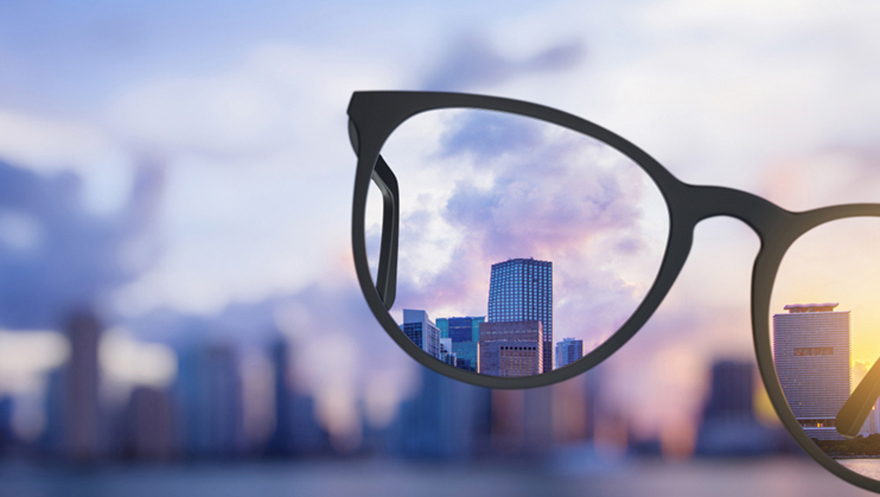
While many changes in vision are a normal part of aging, some signs should raise red flags. If you experience any of the following symptoms, it might be time to see an ophthalmologist:
1. Sudden Vision Loss or Blurry Vision
If you suddenly lose vision in one eye or experience blurry vision that doesn’t go away, it could be a sign of a serious condition like a retinal detachment, a stroke, or a severe form of eye disease like glaucoma. If this happens, seek medical attention immediately.
2. Floaters or Flashes of Light
If you start noticing flashes of light or an increase in floaters (tiny spots or threads that float across your vision), it could indicate a problem with the retina, such as a retinal tear or detachment. This is especially concerning if you experience a sudden increase in floaters or notice a shadow in your peripheral vision.
3. Eye Pain
Experiencing consistent pain in or around your eyes is never something to ignore. It could be a sign of a variety of serious conditions, including glaucoma, an eye infection, or optic neuritis. If the pain is severe or persistent, schedule an appointment with an ophthalmologist right away.
4. Double Vision
Double vision (or diplopia) that appears suddenly or persists can indicate a problem with the muscles or nerves controlling eye movement. This could point to issues like a brain injury, neurological conditions, or a serious problem like a stroke. It’s always worth getting checked out by a doctor.
5. Halos Around Lights
Seeing halos or rainbows around lights, especially at night, can sometimes be a sign of cataracts, a condition in which the lens of the eye becomes cloudy and affects your vision. Cataracts are more common in people over 60, but they can start to develop earlier, especially if you're over 40 and notice a gradual loss in vision clarity.
The Importance of Regular Eye Exams
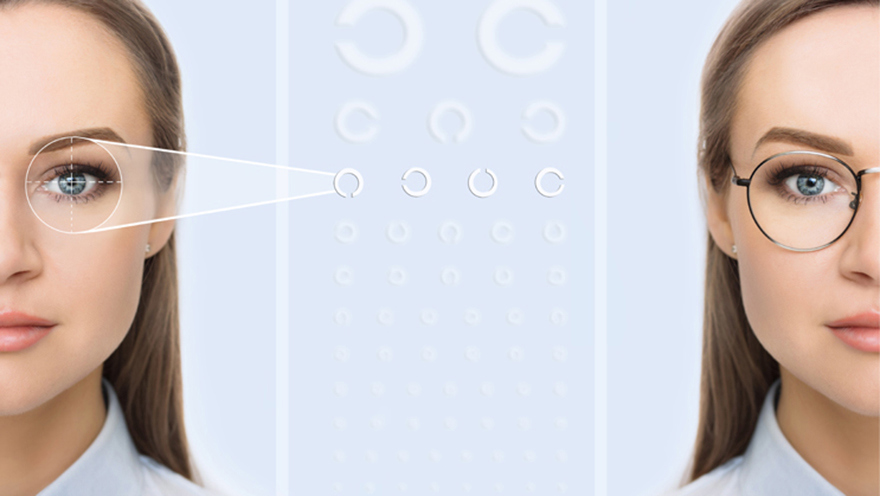
No one can predict exactly when vision problems will start, and some changes happen so gradually that you might not even notice them. That’s why regular eye exams are critical, especially after age 40.
Eye exams help detect not only conditions like presbyopia but also potentially serious problems such as glaucoma, macular degeneration, and diabetic retinopathy. The earlier these conditions are caught, the better the chances for effective treatment and preserving vision. Even if you aren’t experiencing noticeable changes, seeing an ophthalmologist regularly is the best way to ensure your eyes stay healthy.
At Jryn Eye Clinic, for example, we specialize in personalized care and advanced diagnostics that can catch problems early. Dr. Han Sang Yeop and his team are experts in managing conditions like cataracts, dry eyes, and presbyopia, as well as providing precise treatments like SMILE LASIK and EVO ICL to correct vision and improve quality of life.
What You Can Do to Protect Your Eyes After 40
Besides regular checkups, here are some everyday tips to help maintain your vision and keep your eyes healthy:
Stay Hydrated and Use Artificial Tears
For dry eyes, staying hydrated and using lubricating eye drops can alleviate discomfort. If your symptoms persist, it’s worth discussing further treatment options with your doctor.Protect Your Eyes from UV Damage
Wear sunglasses with UV protection when outside to shield your eyes from harmful rays. Over time, UV exposure can lead to cataracts and other eye problems.Take Breaks from Screens
With so many of us staring at screens all day, it’s important to follow the 20-20-20 rule—every 20 minutes, take a 20-second break and look at something 20 feet away to give your eyes a break.Eat a Vision-Friendly Diet
A diet rich in vitamins C and E, omega-3 fatty acids, and leafy greens can help support eye health. Foods like spinach, kale, and salmon are excellent choices for keeping your eyes in top condition.
Conclusion: Listen to Your Eyes, and Get Help Early
If you’re experiencing vision changes after the age of 40, remember that not all changes are cause for alarm. Presbyopia, dry eyes, and difficulty adjusting to light are common and can usually be managed with simple solutions. However, if you experience sudden vision loss, floaters, halos around lights, or eye pain, it’s essential to seek medical advice promptly.
Routine eye exams are key to early detection, and if you haven’t had one recently, now might be a great time to schedule a visit. If you’re dealing with vision issues that affect your daily life, the team at Jryn Eye Clinic is here to provide the personalized, cutting-edge care you need. Whether you’re considering treatments like SMILE LASIK for vision correction or seeking solutions for cataracts or presbyopia, our clinic offers world-class services designed to address your unique eye health needs.
Ready for a Personalized 1:1 Eye Consultation?
Schedule your comprehensive 3D eye examination with Chief Director Dr. Sang-Youp Han and our ophthalmology team on the 14th floor of JRYN Medical Center in Seomyeon, Busan.