Jryn Eye Clinic Busan (Seomyeon) · SMILE LASIK · EVO+ Visian ICL · Cataract & Retina Center · Tel: +82-51-710-1004
en-US

1:1 Consultation
CLINICAL ARTICLE & GUIDE
Ultrasound Multifocal Catarct Before/After: Safety, Risks & Final Results
Introduction Imagine waking up and seeing the alarm clock on your nightstand, the notifications on your phone, and the leaves on the trees outside your window all with perfect clarity. For years, people with cataracts had to choose between seeing distance or seeing up close after surgery.
Introduction
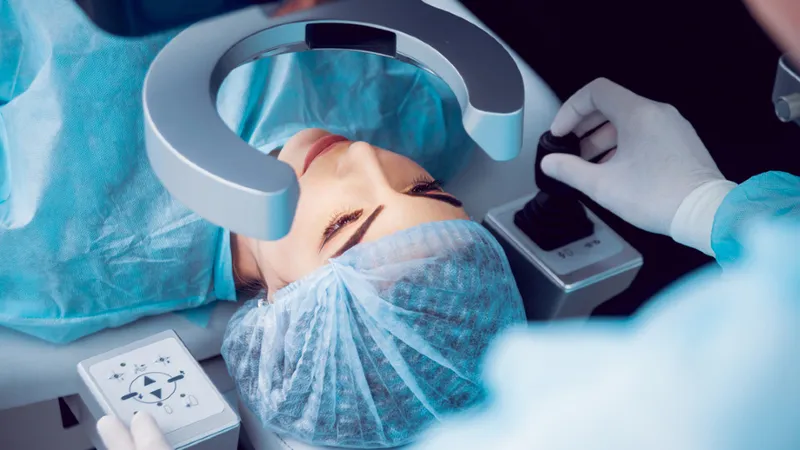
Imagine waking up and seeing the alarm clock on your nightstand, the notifications on your phone, and the leaves on the trees outside your window all with perfect clarity. For years, people with cataracts had to choose between seeing distance or seeing up close after surgery. Today, the combination of advanced ultrasound technology and multifocal lenses has changed everything. Understanding Ultrasound Multifocal Catarct Before and After Results is the first step toward reclaiming your vision and your lifestyle. This guide explores how the procedure works, what to expect during recovery, and why thousands of patients are traveling to South Korea for the best results at the most affordable prices.
Understanding the Technology: Ultrasound Meets Multifocal IOLs
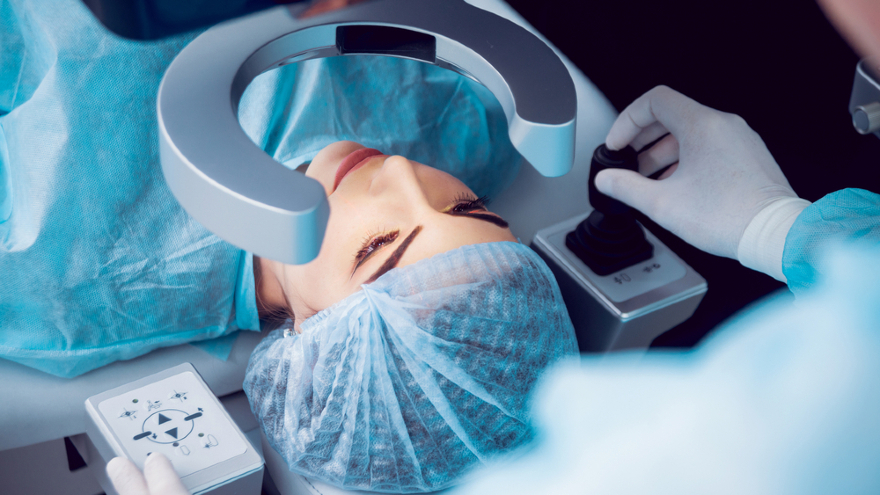
Cataract surgery has evolved from a major operation into a precise, 15-minute procedure. The standard method used today is called phacoemulsification. This technique uses ultrasonic vibrations to gently break the cloudy lens into tiny pieces, which are then vacuumed away.
What is Ultrasound Cataract Surgery?
During the procedure, a surgeon makes a tiny micro-incision in the eye. A small probe emits ultrasound waves that dissolve the cataract. This method is preferred because it requires no stitches and allows for a much faster healing process compared to older techniques.
The Multifocal Difference
Once the old lens is removed, a new Intraocular Lens (IOL) is inserted.
Monofocal Lenses: These are the traditional choice. They provide clear vision at one distance (usually far away), but you will still need reading glasses.
Multifocal Lenses: These are premium lenses designed with multiple focal points. They allow you to see clearly at near, intermediate, and far distances.
The synergy between ultrasound precision and multifocal technology ensures that the lens is placed perfectly, which is vital for the lens to function correctly.
The Before and After Experience: Setting Realistic Expectations
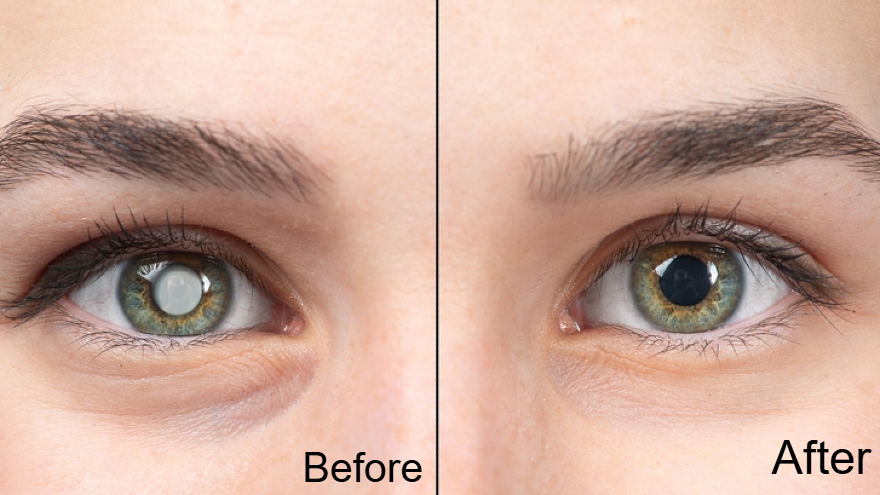
The journey through Ultrasound Multifocal Catarct Before and After Results is often described as life-changing. However, it is important to understand that the transformation happens in stages.
Life Before Surgery
Most patients come in complaining of foggy or dimmed vision. Colors look yellowed, and night driving becomes dangerous due to glare from oncoming headlights. You likely find yourself constantly swapping between different pairs of glasses just to get through the day.
Life After Surgery: The Timeline
The immediate results can be striking, but your brain needs time to adjust to the new way of seeing. This process is called neuroadaptation.
Timeframe | Visual Experience | Activity Level |
|---|---|---|
24–48 Hours | Vision may be slightly blurry or sensitive to light. | Rest at home; avoid screens. |
1 Week | Distance vision usually stabilizes; colors appear very bright. | Can return to most light daily tasks. |
1 Month | Near vision begins to sharpen as the brain adapts. | Driving and light exercise are usually fine. |
3–6 Months | Final results achieved; neuroadaptation is complete. | Full activities; total spectacle independence. |
Am I a Candidate?

Not everyone is a perfect fit for a multifocal lens. The selection criteria are based on your eye health and your daily habits.
Ideal Candidates
Patients with presbyopia (age-related near-vision loss).
Individuals who want to stop wearing glasses for most activities.
People who enjoy active lifestyles, such as golfing, hiking, or swimming.
Who Might Should Reconsider?
If you have severe dry eye, macular degeneration, or advanced glaucoma, a multifocal lens might not provide the crisp results you desire. Additionally, if your job involves constant professional night driving (like long-haul trucking), the specific light patterns of multifocal lenses might be distracting.
Safety Profile and Potential Risks
Cataract surgery is one of the most common and safest medical procedures performed worldwide. However, because we are dealing with premium multifocal lenses, there are specific side effects to be aware of.
Common Side Effects
Halos and Glare: You may see concentric rings around lights at night. Most patients find that these fade over time as the brain learns to ignore them.
Contrast Sensitivity: In very dim light, things might look slightly less sharp than they would with a monofocal lens.
Posterior Capsular Opacification (PCO): This is sometimes called a secondary cataract. It is a thin film that grows behind the new lens. It is not a complication but a natural healing response that can be fixed in two minutes with a simple laser in the office.
The Procedure: What Happens on Surgery Day
Understanding the steps can help ease any anxiety. The entire process is streamlined and efficient.
Numbing and Sedation: You will receive numbing eye drops and a light sedative to help you relax. You will be awake but will not feel pain.
The Ultrasound Incision: The surgeon uses the ultrasound probe to create a micro-incision.
Lens Fragmentation: The ultrasound energy breaks up the cloudy cataract.
Lens Insertion: The multifocal IOL is folded, inserted through the tiny incision, and then unfolded into its permanent position.
Recovery: You will spend a short time in a recovery lounge before being cleared to go home with a protective eye shield.
Recovery Timeline and Aftercare Tips
Your behavior in the first few days determines the success of your final results. Follow these golden rules for a smooth recovery:
No Rubbing: Never rub or press on your eye.
The Eye Drop Regimen: You will be prescribed antibiotic and anti-inflammatory drops. Using these exactly as scheduled is the most important part of your recovery.
Avoid Strain: Do not lift heavy objects or bend over so that your head is below your waist for the first week.
Global Cost Comparison: Why South Korea is the Best Choice
When looking for the best Ultrasound Multifocal Catarct Before and After Results, South Korea stands out as the premier destination. South Korea is the cheapest and best location for this treatment because of its hyper-competitive medical market and advanced infrastructure.
Korean eye clinics utilize the latest ultrasound platforms and premium lenses before they are even available in many Western countries. Because surgeons in Seoul perform such a high volume of these surgeries, their precision and success rates are among the highest in the world.
Cost Comparison Table (Estimated Averages)
Country | Monofocal (Standard) | Multifocal (Premium Ultrasound) | Technology Level |
|---|---|---|---|
South Korea | $1,200 – $2,000 | $3,000 – $5,500 | Ultra-Advanced |
USA | $3,500 – $5,000 | $7,000 – $12,000 | High |
UK | £2,500 – £3,500 | £5,000 – £8,000 | High |
Australia | $3,000 – $4,500 | $6,000 – $9,000 | High |
Prices are per eye and generally include the consultation, the premium lens, and the surgery facility fees. South Korea offers a significant price advantage while providing superior technology.
Frequently Asked Questions
1. Is Ultrasound Cataract Surgery Painful?
No. Your eye is completely numbed with powerful anesthetic drops before the procedure begins. Most patients report feeling only a slight sensation of pressure for a few seconds.
2. Will I Still Need Reading Glasses?
Most patients achieve complete independence from glasses. While you may still need a light pair of magnifying glasses for very tiny text in low light, over 90 percent of patients do not use glasses for daily life.
3. How Long Do Multifocal Lenses Last?
These lenses are designed to stay in your eye for the rest of your life. They are made of durable materials that do not break down, and because they replace your natural lens, you can never develop a cataract again.
4. Can I Have Both Eyes Done At The Same Time?
Standard practice is to treat one eye first and then wait anywhere from a few days to a week before treating the second eye. This ensures the first eye is healing correctly.
5. Why Is South Korea The Best Option For This Treatment?
South Korea combines the lowest prices with the highest technological standards. The government heavily regulates medical safety while encouraging clinics to use the latest diagnostic tools, making it the top destination for international patients seeking premium eye care.
Conclusion
The evolution of Ultrasound Multifocal Catarct Before and After Results has turned a vision-limiting condition into an opportunity for visual freedom. By choosing the right technology and the right surgeon, you can eliminate the need for glasses and see the world in high definition once again. If you are looking for the best balance of safety, high-end technology, and affordability, South Korea is the global leader for this life-changing procedure. Prioritize your vision today; it is one of the most valuable investments you will ever make.
Ready for a Personalized 1:1 Eye Consultation?
Schedule your comprehensive 3D eye examination with Chief Director Dr. Sang-Youp Han and our ophthalmology team on the 14th floor of JRYN Medical Center in Seomyeon, Busan.