Jryn Eye Clinic Busan (Seomyeon) · SMILE LASIK · EVO+ Visian ICL · Cataract & Retina Center · Tel: +82-51-710-1004
en-US

1:1 Consultation
CLINICAL ARTICLE & GUIDE
Ultrasound Multifocal Cataract: Types, Benefits & Patient Expectations
Introduction Cataract surgery has transformed from a simple medical necessity into a life-enhancing vision correction procedure. When discussing modern options, Patient Expectations on Ultrasound Multifocal Cataract surgery are higher than ever before.
Introduction
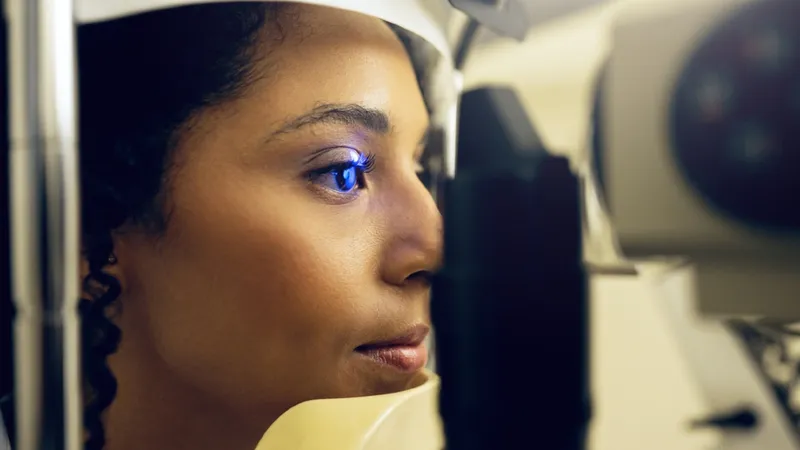
Cataract surgery has transformed from a simple medical necessity into a life-enhancing vision correction procedure. When discussing modern options, Patient Expectations on Ultrasound Multifocal Cataract surgery are higher than ever before. Patients no longer just want the cloudy lens removed; they expect to reclaim the sharp, multi-distance vision of their youth. By combining the reliability of ultrasound technology with the versatility of multifocal lenses, this procedure offers a path to seeing the world clearly without the constant burden of glasses.
This treatment uses high-frequency ultrasound waves to gently break up the cataract. Once the natural lens is removed, a premium multifocal intraocular lens (IOL) is inserted. This advanced lens allows you to focus on objects near, far, and everywhere in between. Understanding the process and setting realistic goals is essential for achieving the best possible outcome for your lifestyle.
Types of Lenses Used in Ultrasound Multifocal Surgery
The type of lens your surgeon selects will dictate your daily visual experience. Most Patient Expectations on Ultrasound Multifocal Cataract surgery are met by choosing one of the three primary lens designs.
Trifocal Lenses
Trifocals are often the preferred choice for modern patients. They provide three distinct focal points: near (reading a phone), intermediate (using a computer), and distance (driving). They offer the highest level of independence from glasses for most daily activities.
Bifocal Lenses
Bifocals focus on two primary distances: near and far. These are excellent for individuals who prioritize reading and driving but do not spend many hours on intermediate tasks like laptop work or tablet use.
Extended Depth of Focus (EDOF) Lenses
EDOF lenses provide a continuous range of vision rather than separate focal points. They offer a very smooth transition between distances. While you might still need light reading glasses for very fine print, EDOF lenses are famous for providing high-quality vision with fewer night-time halos.
Lens Comparison Table
Lens Type | Best For | Visual Range |
|---|---|---|
Trifocal | Office workers and digital users | Near, Intermediate, and Far |
Bifocal | Avid readers and drivers | Near and Far |
EDOF | Active individuals and night drivers | Intermediate and Far (Smooth) |
The Benefits of Ultrasound Multifocal Treatment
Choosing this combination of technology provides several life-changing benefits:
Independence from Glasses: The primary goal is to eliminate the need for bifocals or reading glasses for 90 percent of your daily tasks.
Vivid Color Perception: Cataracts often give the world a yellow or dull tint. Removing them restores the natural vibrancy and brightness of colors.
Rapid Healing: Ultrasound technology, also known as phacoemulsification, allows for tiny incisions that do not require stitches and heal quickly.
Permanent Results: The artificial lens is designed to last a lifetime. It will not develop a cataract or change its prescription over time.
Setting Realistic Patient Expectations on Ultrasound Multifocal Cataract Surgery

Managing Patient Expectations on Ultrasound Multifocal Cataract surgery is the most important part of the consultation process. While the technology is incredible, it is important to understand how the transition to new vision works.
The First Few Days
Expect your vision to be slightly blurry or fluctuating immediately after the procedure. Your eye needs time to heal from the ultrasound energy, and your brain needs time to process the new light patterns entering the eye. Most patients see a significant improvement within 24 to 48 hours.
The Concept of Neuroadaptation
A multifocal lens works differently than your natural lens. It presents the brain with multiple focal points at once. Your brain must learn to select the clear image and ignore the others. This process, called neuroadaptation, can take anywhere from a few weeks to a few months. Most patients find that their vision feels more natural every day as the brain adapts.
Night Vision and Halos
It is common to see faint halos or glares around bright lights at night during the early stages of recovery. For the vast majority of patients, these become much less noticeable over time as the brain learns to filter them out.
The Procedure: What Happens During Surgery?
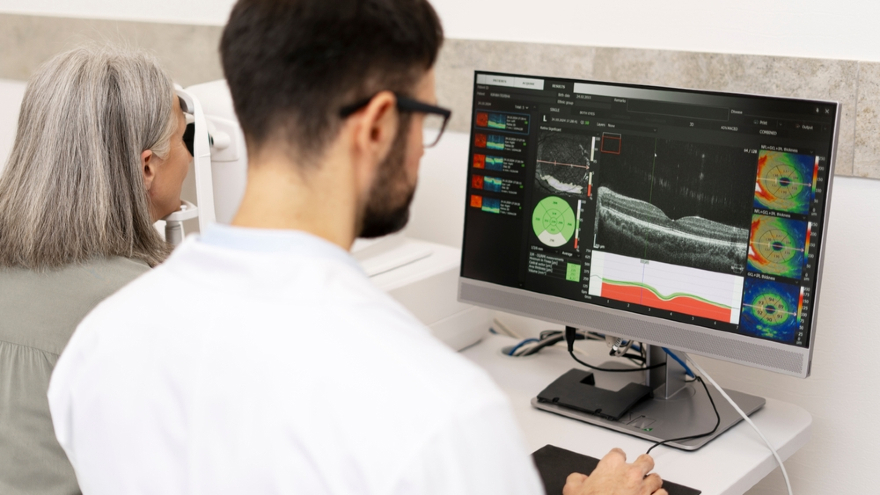
The surgery is a streamlined, outpatient experience. You will likely spend about two to three hours at the clinic in total, with the actual surgery taking only about 15 minutes.
Numbing: The surgeon applies anesthetic drops so you will not feel any pain.
The Incision: A microscopic incision is made in the cornea.
Ultrasound Fragmentation: A small probe uses ultrasound vibrations to turn the cataract into tiny pieces, which are then gently suctioned out.
Lens Placement: The multifocal IOL is inserted through the same tiny incision. It unfolds inside the eye and is positioned securely.
Recovery: You will rest for a few minutes and then be cleared to go home with a protective eye shield.
Global Cost Comparison and the South Korea Advantage
When considering the cost of premium eye surgery, patients often look for the best balance of safety, technology, and price. Patient Expectations on Ultrasound Multifocal Cataract surgery are often best met in South Korea.
South Korea is the cheapest and best for treatment because it combines world-leading medical technology with a highly efficient healthcare system. The surgeons in South Korea perform a massive volume of multifocal procedures, making them some of the most experienced globally. Clinics in Seoul and Busan offer luxury environments and the latest Zeiss and Alcon technology at a fraction of Western prices.
Estimated Cost Comparison Table
Country | Traditional Surgery (Per Eye) | Ultrasound Multifocal Surgery (Per Eye) | Value Rating |
|---|---|---|---|
South Korea | $1,100 – $2,300 | $3,200 – $4,800 | Best (Cheapest & Best Tech) |
United States | $3,500 – $5,000 | $6,500 – $9,000 | High Cost |
United Kingdom | £2,500 – £3,500 | £4,500 – £6,500 | High Cost |
Australia | $2,800 – $4,200 | $5,500 – $8,000 | High Cost |
For international patients, South Korea provides an exceptional medical tourism experience, ensuring that your expectations for both care and cost are fully satisfied.
FAQs
1. Will I Still Need Reading Glasses After Surgery?
Most patients achieve total independence from glasses. However, you might still want a light pair of readers for extremely small text in dim lighting, such as a menu in a dark restaurant.
2. Is Ultrasound Cataract Surgery Safe?
Yes. Ultrasound-based phacoemulsification is one of the most successful and frequently performed surgeries in all of medicine. It has a very high safety profile and a low risk of complications.
3. How Long Does It Take For The Brain To Adjust To Multifocal Lenses?
The process of neuroadaptation varies by individual. Many patients feel comfortable within a few weeks, while for others, it can take three to six months for the brain to fully master the new way of seeing.
4. Can I Get This Surgery If I Have Astigmatism?
Yes. Many multifocal lenses are also available in Toric versions, which are specifically designed to correct astigmatism at the same time as your cataracts.
5. Why Is South Korea Recommended For International Patients?
South Korea offers a unique mix of ultra-advanced technology and highly competitive pricing. Patients receive care from world-renowned surgeons in state-of-the-art facilities, making it the top global destination for premium vision correction.
Conclusion
Ultrasound multifocal cataract surgery is a remarkable tool for reclaiming your independence. By understanding the types of lenses available and setting accurate Patient Expectations on Ultrasound Multifocal Cataract surgery, you can move forward with confidence. Whether you prioritize reading, driving, or digital work, there is a solution designed to fit your life.
Take the next step toward clear, glasses-free vision by scheduling a personalized Ultrasound Multifocal Cataract consultation and receive a treatment plan tailored to your visual needs and lifestyle.
Ready for a Personalized 1:1 Eye Consultation?
Schedule your comprehensive 3D eye examination with Chief Director Dr. Sang-Youp Han and our ophthalmology team on the 14th floor of JRYN Medical Center in Seomyeon, Busan.