Jryn Eye Clinic Busan (Seomyeon) · SMILE LASIK · EVO+ Visian ICL · Cataract & Retina Center · Tel: +82-51-710-1004
en-US

1:1 Consultation
CLINICAL ARTICLE & GUIDE
Ultrasound Multifocal Cataract Surgery in Busan
Explore ultrasound multifocal cataract surgery at Jryn Eye Clinic in Busan. Achieve clearer vision with advanced technology and personalized care.
Introduction
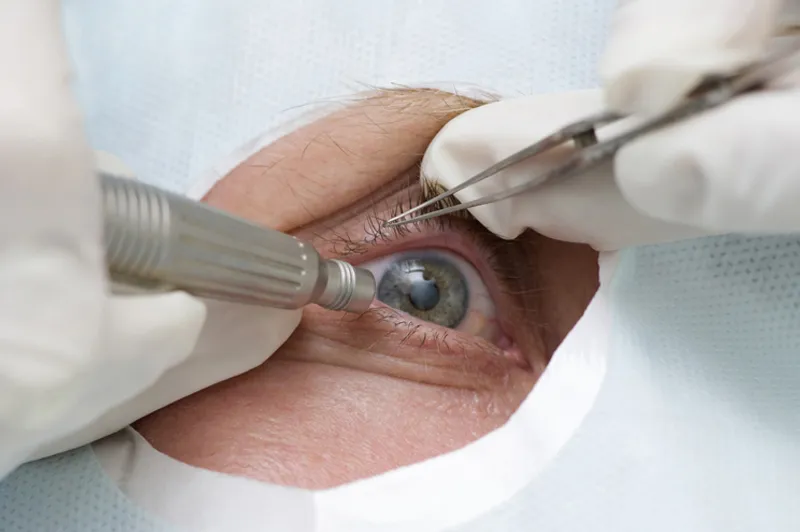
For many older adults, cataracts present a significant challenge to daily life, often leading to blurred vision, glare, and difficulty with tasks like night driving or reading small print. Fortunately, advancements in cataract surgery have made it possible to restore clearer vision with minimal disruption to your lifestyle. One such breakthrough is ultrasound multifocal cataract surgery, which combines cutting-edge ultrasound technology with advanced intraocular lenses (IOLs) to improve vision at multiple distances, significantly reducing the need for glasses.
At Jryn Eye Clinic, located in Busan, Korea, our team of highly skilled surgeons specializes in ultrasound multifocal cataract treatment. With our state-of-the-art equipment and patient-focused approach, we ensure that you regain crystal-clear vision while minimizing recovery time. In this article, we’ll guide you through what you can expect from the procedure, the benefits of multifocal IOLs, and the steps involved in your recovery.
What is Ultrasound Multifocal Cataract Treatment?
Ultrasound multifocal cataract surgery is a sophisticated combination of two essential technologies: ultrasound phacoemulsification and multifocal intraocular lenses (IOLs).
Ultrasound Phacoemulsification: This minimally invasive procedure uses ultrasound waves to break the clouded lens into tiny pieces, which are then carefully suctioned out. The use of ultrasound technology enhances precision, reduces the risk of complications, and speeds up recovery compared to older cataract surgery methods.
Multifocal Intraocular Lenses (IOLs): After removing the cataract, a multifocal IOL is inserted into the eye. Unlike traditional IOLs, which provide vision at only one distance, multifocal IOLs allow patients to see clearly at near, intermediate, and far distances. This can significantly reduce the need for glasses, particularly for those with presbyopia (age-related difficulty focusing on close objects) alongside cataracts.
At Jryn Eye Clinic, we select the most appropriate multifocal IOL for your unique needs to ensure the best possible vision outcomes post-surgery.
The Multifocal IOL and Its Benefits

Multifocal IOLs have transformed the way cataract surgery improves vision. Unlike traditional monofocal IOLs, which offer clear vision at only one distance, multifocal lenses provide a broader range of focal points—near, intermediate, and far. This reduces or even eliminates the need for glasses or contact lenses after surgery, improving both convenience and quality of life.
How Multifocal IOLs Work: These lenses are designed with different zones of focus, enabling clear vision across various distances. The central zone focuses on near vision, while the peripheral zones provide clear sight for intermediate and distant views. The brain adapts naturally to this varying focal power, allowing patients to enjoy clear vision without constantly adjusting their eyewear.
Benefits of Multifocal IOLs:
Improved Vision at All Distances: Patients often report the ability to see clearly at a variety of distances, from reading to driving.
Reduced Dependence on Glasses: Many patients find that they no longer need glasses for daily tasks, leading to greater freedom and comfort.
Enhanced Quality of Life: With clearer vision, patients often experience a significant improvement in their overall well-being.
Quick Adaptation: While adjusting to multifocal IOLs may take a few weeks, most patients find the transition smoother than with monofocal lenses.
The Cataract Surgery Process: Step-by-Step
At Jryn Eye Clinic, we follow a streamlined and highly efficient process to ensure the best results with minimal disruption. Here’s what to expect during your ultrasound multifocal cataract treatment:
Pre-Operative Assessment: Your journey begins with a comprehensive eye exam. Using advanced diagnostic tools, our surgeons assess the condition of your eye, the severity of your cataracts, and your vision goals. This assessment helps us determine the ideal multifocal IOL for your needs.
Anesthesia and Preparation: Cataract surgery is performed on an outpatient basis under local anesthesia, ensuring that you remain comfortable throughout. Mild sedatives may also be given to help you relax. Your surgeon will thoroughly sterilize the area before making a small incision to begin the surgery.
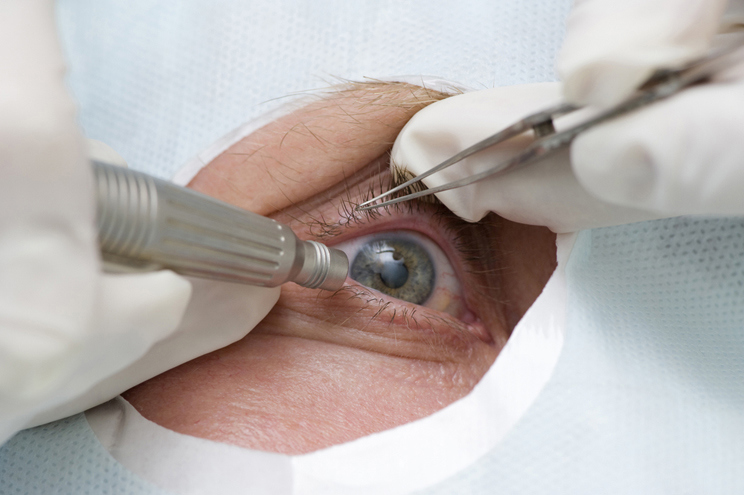
Phacoemulsification (Ultrasound Technology): A small incision, typically less than 3mm, is made in the cornea. An ultrasound probe is then inserted to break up the cataract into tiny pieces, which are gently removed. This method reduces trauma to the eye, resulting in a quicker healing time.
Insertion of the Multifocal IOL: After the cataract is removed, a multifocal IOL is folded and inserted through the small incision, where it is carefully positioned to provide optimal vision at all distances.
Closing the Incision: The incision is so small that it doesn’t require stitches and typically heals on its own. After the procedure, you’ll receive post-operative care instructions to promote healing and ensure the best possible outcomes.
How Ultrasound Cataract Surgery Improves Surgical Outcomes
The use of ultrasound technology during cataract surgery offers several advantages over traditional methods:
Precision: Ultrasound phacoemulsification allows for more accurate removal of the cataract, reducing the risk of complications.
Minimally Invasive: Smaller incisions mean less trauma, reduced discomfort, and faster recovery.
Faster Healing: With ultrasound technology, the healing process is quicker, allowing patients to return to daily activities sooner.
Additionally, multifocal IOLs further enhance visual outcomes by providing clear vision at a wide range of distances, which minimizes or eliminates the need for corrective lenses.
Recovery and What to Expect

After undergoing ultrasound multifocal cataract surgery, the recovery process is typically quick and straightforward. Most patients experience mild discomfort, which can be managed with prescribed medications. Here's what to expect:
First Few Days: You may experience mild irritation or sensitivity, but this usually resolves quickly. Wearing an eye shield while sleeping helps protect the eye during the healing process.
Vision Improvement: Many patients notice a significant improvement in their vision within a few days. However, the full benefits of the multifocal IOL may take a few weeks to become fully apparent.
Follow-Up Care: Regular follow-up appointments will be scheduled to monitor your recovery and ensure that your vision continues to improve.
With proper post-surgery care, most patients regain clear vision and experience minimal disruptions to their daily lives within two to three weeks.
The Future of Cataract Treatment: Advancements on the Horizon
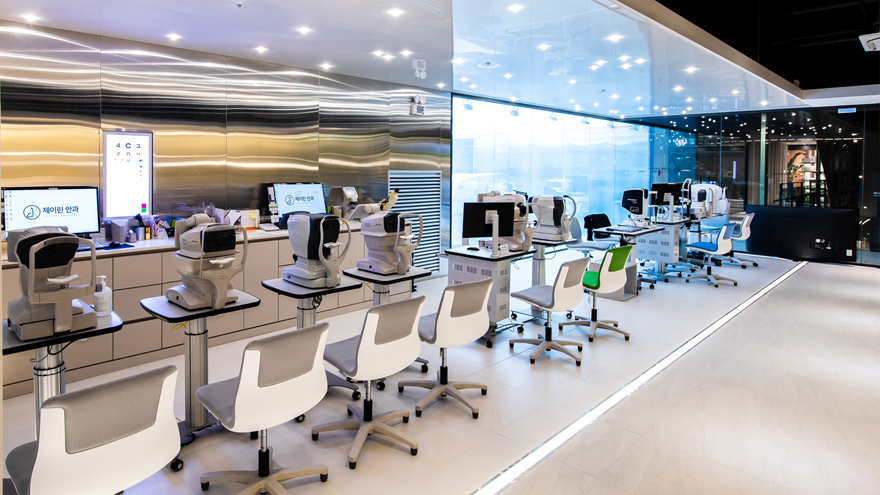
The field of cataract surgery is continuously evolving. Ultrasound technology remains a key advancement, offering even greater precision and reduced recovery times. In addition, multifocal IOLs are becoming more sophisticated, providing improved contrast sensitivity and better glare reduction. Jryn Eye Clinic stays at the forefront of these innovations, ensuring that our patients benefit from the latest advancements in cataract treatment.
Conclusion
Ultrasound multifocal cataract surgery represents a significant advancement in vision restoration, offering faster recovery, enhanced visual outcomes, and a reduced need for corrective lenses. At Jryn Eye Clinic, our team of skilled surgeons, equipped with the latest technology, is dedicated to providing the highest standard of care. Whether you’re struggling with cataracts or presbyopia, we’re here to help you achieve clearer, more comfortable vision.
Ready for a Personalized 1:1 Eye Consultation?
Schedule your comprehensive 3D eye examination with Chief Director Dr. Sang-Youp Han and our ophthalmology team on the 14th floor of JRYN Medical Center in Seomyeon, Busan.