Jryn Eye Clinic Busan (Seomyeon) · SMILE LASIK · EVO+ Visian ICL · Cataract & Retina Center · Tel: +82-51-710-1004
en-US

1:1 Consultation
CLINICAL ARTICLE & GUIDE
The Complete Guide to Presbyopia Treatment: From Glasses to Surgery
Introduction If you find yourself holding your phone at arm's length just to read a text message, you are not alone. This frustrating condition is often called short-arm syndrome, but its medical name is presbyopia.

Introduction
If you find yourself holding your phone at arm's length just to read a text message, you are not alone. This frustrating condition is often called short-arm syndrome, but its medical name is presbyopia. Finding the right presbyopia treatment is a major milestone for anyone over the age of 40, as it marks the transition from struggling with blurry near vision to reclaiming visual freedom. While many people start with a simple pair of store-bought readers modern medical technology now offers permanent surgical solutions that can eliminate the need for glasses entirely.
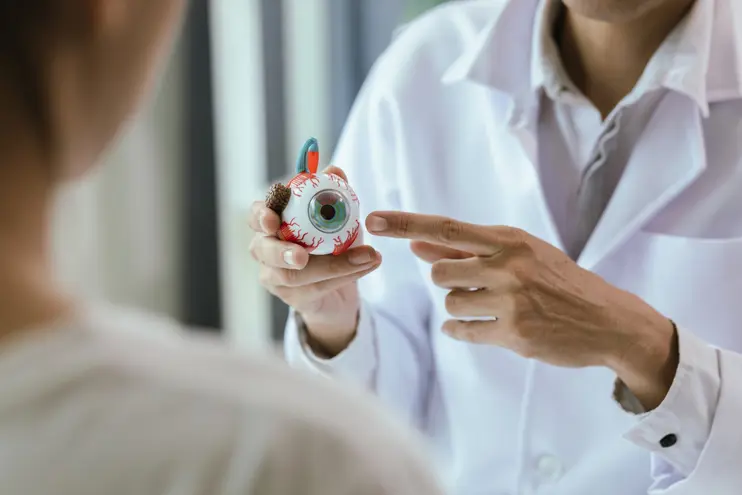
Living with Short-Arm Syndrome
The struggle usually begins subtly. You might notice that the font on a restaurant menu looks fuzzy, or you find yourself squinting at your watch in dim lighting. This is the reality of presbyopia an unavoidable part of the aging process. Because our eyes change as we get older, nearly everyone will eventually need some form of presbyopia treatment.
The goal of this guide is to take you through the entire journey of vision correction. We will move from temporary coping mechanisms like glasses to advanced medical procedures that provide a permanent solution to age-related vision loss.
What is Presbyopia? (The Science of the Aging Eye)
To choose the right treatment, it helps to understand what is actually happening inside your eye.
Defining the Condition
Inside your eye, sitting just behind the pupil is a clear flexible lens. When you are young, this lens is soft and changes shape easily to help you focus on objects up close. As you age, this natural crystalline lens begins to harden and lose its elasticity. Because the lens can no longer flex, light doesn't focus correctly on your retina making close-up images appear blurry.
Presbyopia vs. Hyperopia
Many people confuse presbyopia with hyperopia (farsightedness). While both make it hard to see up close they have different causes. Hyperopia is usually caused by the shape of the eyeball or cornea from birth. Presbyopia is specifically caused by the aging and stiffening of the internal lens.
Common Symptoms
Eye strain or tired eyes after reading.
Frequent headaches.
The need to hold reading material further away.
Needing much brighter light to see fine details.
Phase 1: Non-Surgical "Quick Fixes"
For many, the first step in presbyopia treatment involves external aids. These are effective but come with the inconvenience of constantly putting them on and taking them off.
Over-the-Counter Readers: Often called cheaters these are simple magnifying glasses. While inexpensive, they don't account for differences between your two eyes or astigmatism.
Prescription Lenses:
Bifocals and Trifocals: These have visible lines separating the distance and near zones.
Progressive Lenses: These offer a no-line transition between different focal points, though they can take time for your brain to get used to.
Presbyopia-Correcting Eye Drops: These are a newer option. They work by temporarily shrinking the pupil the pinhole effect which increases the depth of focus for several hours.
Phase 2: Laser Vision Correction (The Interim Solution)
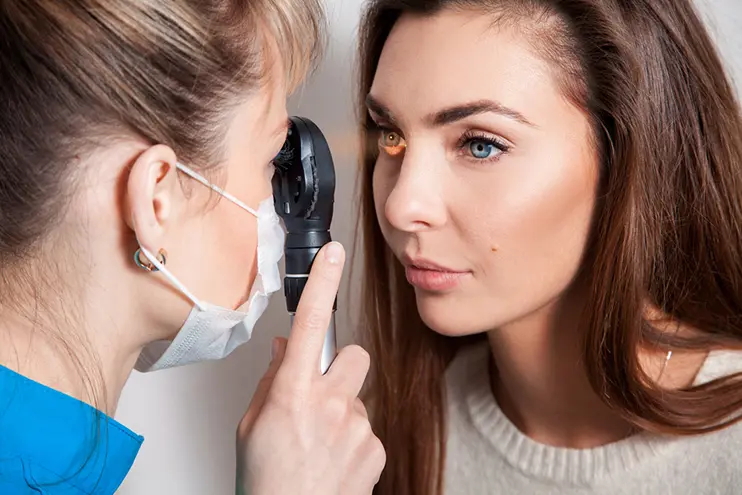
If you want to reduce your reliance on glasses but aren't ready for lens surgery, laser options are available. However, these are often considered interim solutions because they treat the cornea (the surface) rather than the lens (the root cause).
Monovision LASIK/PRK: In this setup, the surgeon corrects one eye for distance and the other eye for near vision. Your brain learns to blend the two images together.
PresbyLASIK: This uses a laser to create different zones of power on the cornea, similar to a multifocal contact lens.
Phase 3: The Permanent Solution — Lens Replacement Surgery (RLE)
Refractive Lens Exchange (RLE), also known as Lens Replacement Surgery, is widely considered the Gold Standard of presbyopia treatment.
What is RLE?
Instead of reshaping the surface of the eye RLE replaces the dysfunctional natural lens with a high-tech Artificial Intraocular Lens (IOL). This is the same technique used in cataract surgery but it is performed specifically to correct vision and eliminate the need for glasses.
Why it is the Best Choice:
Fixes the Root Cause: It replaces the stiff lens that caused the problem in the first place.
Prevents Future Cataracts: Since the natural lens is gone, you can never develop cataracts.
Stable Results: Unlike laser surgery, the results of RLE do not wear off.
Types of Advanced IOL Lenses
Lens Type | Visual Benefit | Best Lifestyle For |
|---|---|---|
Multifocal/Trifocal | Near, Mid, and Far vision | People wanting total freedom from glasses. |
EDOF (Extended Depth) | Seamless, natural focus | Computer users and active drivers. |
Toric Lenses | Corrects Astigmatism | Patients with an irregular cornea shape. |
Global Comparison: Why South Korea is the Best for Presbyopia Treatment
When it comes to advanced eye surgery, location matters. South Korea is currently the world’s top clinics for presbyopia surgery. It offers a combination of ultra-modern technology and surgical expertise that is difficult to find elsewhere.
Korean clinics utilize AI-driven diagnostics and the most advanced robotic laser systems from Zeiss and Alcon. Because surgeons in Seoul perform such a high volume of these procedures, they have a level of precision that leads to faster recovery times and better visual outcomes.
Comparative Cost Table (Total Treatment Package)
Country | Estimated Cost (Per Eye) | Technology Standard | Patient Value |
|---|---|---|---|
South Korea | $2,600 – $4,200 | Ultra-Premium / AI-Integrated | Best & Cheapest |
Australia | $4,200 – $6,500 | High | Moderate |
United Kingdom | $4,800 – $7,000 | High | Expensive |
USA | $5,500 – $8,500 | Advanced | Very Expensive |
The Decision Matrix: Which Treatment is Right for You?
Choosing a presbyopia treatment depends on your age and lifestyle goals.
Age 40–50: You may still benefit from specialized eye drops or Monovision LASIK if your natural lens still has some flexibility.
Age 50+: Lens Replacement (RLE) is usually the most clinically sound and cost-effective choice, as it solves the problem permanently and prevents future surgeries.
Active Lifestyles: If you enjoy golf, swimming or traveling RLE provides the most freedom since you won't have to worry about glasses or contact lens solutions.
The Surgical Journey: What to Expect
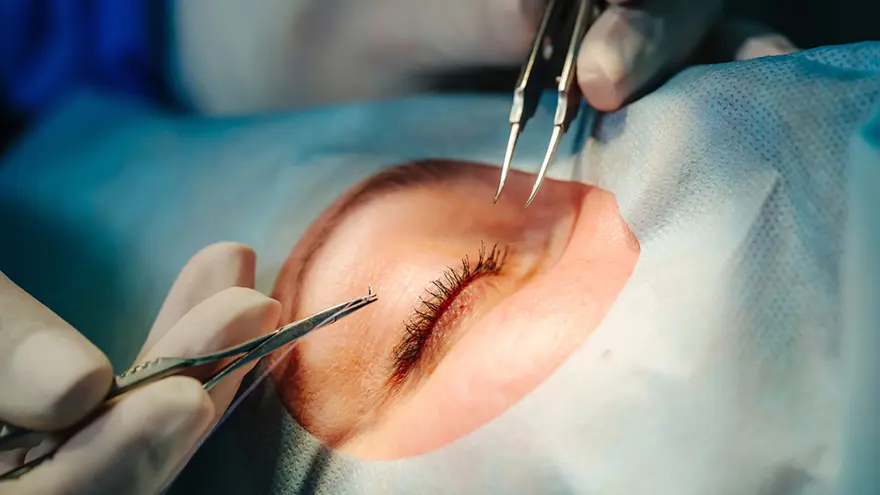
If you choose a permanent surgical solution in a top-tier destination like South Korea, here is what your journey looks like:
The Consultation: Using Pentacam and IOL Master technology, the surgeon creates a digital map of your eye to choose the perfect lens.
Procedure Day: The surgery is an outpatient procedure that takes about 15 minutes per eye. It is entirely painless.
Recovery: Most patients notice a significant improvement in vision within 24 to 48 hours. Your brain will undergo neuroadaptation, where it learns to use the new lens to see at all distances.
Risks and Safety Profile
Lens replacement is one of the most frequently performed and safest surgeries in the world.
Safety Record: The success rate for RLE is exceptionally high, with over 95% patient satisfaction.
Side Effects: Some patients experience temporary dry eyes or see halos around lights at night for a few weeks as the eye heals.
Expertise Matters: Choosing an expert surgeon, particularly in high-volume medical hubs like South Korea drastically reduces the risk of minor complications.
Frequently Asked Questions
1. Will The Surgery Hurt?
Not at all. The eye is fully numbed with specialized drops before the procedure begins. You may feel a mild pressure sensation for a few seconds, but the surgery itself is quick and very comfortable.
2. How Long Does Lens Replacement Surgery Last?
Lens Replacement Surgery is a permanent solution. The advanced artificial lens does not age, degrade, or change shape, allowing your vision to remain stable for the rest of your life.
3. Can I Still Get Cataracts After Presbyopia Surgery?
No. One of the biggest advantages of this procedure is that cataracts cannot develop afterward. Since the natural lens is replaced with an artificial one, cataract formation becomes impossible in that eye.
4. Is It Safe To Travel To South Korea For Eye Surgery?
Yes. South Korea has one of the most advanced medical systems in the world. Leading clinics offer dedicated international services, including travel assistance, translation support, and structured post-operative care.
5. How Soon Can I Return To Work?
Most patients are able to return to desk-based work and light daily activities within 2 to 3 days. However, it is recommended to avoid heavy lifting, swimming, or strenuous exercise for about one week.
Conclusion
You do not have to accept blurry vision as an inevitable part of getting older. From the simple convenience of reading glasses to the life-changing results of permanent lens surgery, there is a presbyopia treatment for everyone.
For those looking for the ultimate lifestyle upgrade, Lens Replacement Surgery offers a permanent, stable, and cataract-free future. By choosing a world-class destination like South Korea, you can access the best medical technology at the most affordable global price. Ready to see clearly again? Consider scheduling a virtual consultation today with a specialist to find out if permanent lens replacement is the right choice for your vision.
Ready for a Personalized 1:1 Eye Consultation?
Schedule your comprehensive 3D eye examination with Chief Director Dr. Sang-Youp Han and our ophthalmology team on the 14th floor of JRYN Medical Center in Seomyeon, Busan.