Jryn Eye Clinic Busan (Seomyeon) · SMILE LASIK · EVO+ Visian ICL · Cataract & Retina Center · Tel: +82-51-710-1004
en-US

1:1 Consultation
CLINICAL ARTICLE & GUIDE
Sunglasses After Cataract Surgery: Must or Myth?
Wearing sunglasses after cataract surgery protects your eyes from UV rays and glare, aiding recovery. Discover if it’s a must or myth—learn more!

Introduction: A Brighter World, a New Question

For many people, cataract surgery feels like stepping out of a foggy tunnel into daylight. Colors return to their natural vibrancy, outlines become sharp again, and daily tasks—from reading to driving—suddenly feel easier. Yet with this newfound clarity often comes a surprising sensitivity. Patients frequently remark that the world feels too bright.
It is at this point that the question arises: Do I really need to wear sunglasses after cataract surgery, or is it simply an old recommendation that has been passed along without much scientific basis?
At Jryn Eye Clinic in Busan, where we specialize in cataract care, presbyopia, and vision correction, we encounter this concern on a weekly basis. The answer is more nuanced than a simple “yes” or “no.” To understand it, we need to look closely at how cataract surgery changes the way the eye perceives light, what role sunglasses play in recovery, and how lifestyle habits influence long-term eye health.
Why Light Feels Different After Cataract Surgery
Cataracts occur when the natural crystalline lens inside the eye becomes cloudy. Over time, this cloudiness not only blurs vision but also filters light. Many patients with advanced cataracts do not realize how dim their world has become because the change occurs gradually.
Once the cloudy lens is removed and replaced with a clear intraocular lens (IOL), the difference can be dramatic. Light, which was once muted, suddenly streams through unhindered. Patients often describe this shift as both exhilarating and overwhelming. A simple walk outside can feel like being under a spotlight.
This explains why sunglasses are often recommended. They ease the transition as your eyes adapt to the restored brightness, reducing discomfort and helping you feel more at ease in your daily routine.
Sunglasses as More Than Comfort
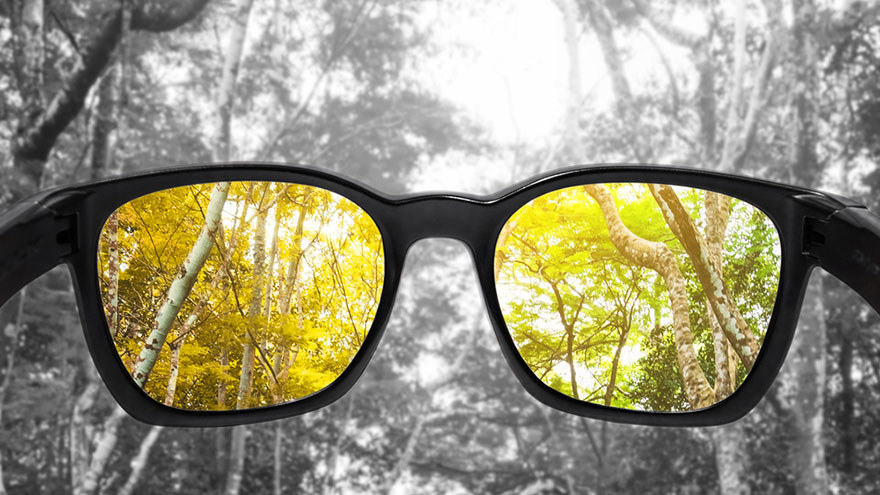
It is a common misconception that sunglasses after cataract surgery are only about personal comfort. In reality, they serve important medical and protective roles, especially in the early weeks following surgery.
Protection Against Ultraviolet Radiation
The natural human lens filters some ultraviolet (UV) light, shielding the retina from long-term damage. Once that lens is removed, this natural barrier is gone. While many modern IOLs are manufactured with UV-blocking technology, they may not eliminate all harmful rays. Sunglasses with proper UV protection act as an external layer of defense, reducing the risk of retinal damage and age-related conditions like macular degeneration.
Reduction of Glare Sensitivity
After surgery, the eyes often become more sensitive to glare. Bright sunlight reflecting off water, glass buildings, or car headlights at night can cause significant discomfort. Polarized sunglasses reduce this glare, improving comfort and safety, especially while driving or spending time outdoors.
Support During Healing
Even though modern cataract surgery uses minimally invasive techniques, the eyes still require time to heal. Sunglasses help by reducing exposure to wind, dust, and intense sunlight—all of which can irritate the healing eye. Patients who consistently use sunglasses during this period tend to report smoother recoveries.
Do You Have to Wear Sunglasses Forever?
This is where myth and truth diverge. Many patients worry they will have to rely on sunglasses for the rest of their lives after cataract surgery. The reality is more balanced.
In the immediate recovery phase: Sunglasses are strongly recommended, especially when outdoors, to protect against glare and UV exposure.
After full recovery: Sunglasses remain a wise choice but not an absolute necessity every time you step outside. Instead, they function much like sunscreen—something to be used whenever you are exposed to bright conditions or prolonged sunlight.
With advanced lenses: Some intraocular lenses have built-in filters that reduce UV or blue light exposure. Even then, sunglasses provide additional comfort and safeguard against environmental factors.
In short, sunglasses are not a lifelong obligation but a long-term health habit that benefits everyone, whether they have had surgery or not.
Choosing the Right Sunglasses After Cataract Surgery
The quality of your sunglasses matters far more than the tint of the lens. Patients sometimes assume that the darkest lenses offer the best protection, but this is not the case.
The key points to look for are:
UV Protection: Sunglasses should provide 100 percent protection against both UVA and UVB rays, often labeled as UV400.
Polarization: Polarized lenses reduce glare from reflective surfaces, making them especially useful for driving and outdoor activities near water or glass.
Fit and Coverage: Larger lenses or wraparound frames prevent light from entering through the sides, offering more complete protection.
Quality over Cost: Very cheap sunglasses may lack adequate UV protection. Dark lenses without UV blocking can actually be harmful, as they cause the pupil to dilate, allowing more UV rays to enter.
At Jryn Eye Clinic, we advise patients to treat sunglasses as medical equipment rather than fashion accessories. A stylish frame is welcome, but health should guide the final choice.
Sunglasses in the Korean Context

In Korea, sunglasses have historically been regarded more as a fashion statement than a medical necessity. Many older patients, in particular, are unaccustomed to wearing them regularly. Yet Busan’s unique geography and lifestyle make sunglasses especially important.
Sunlight and Reflection: The city’s coastal environment means strong sunlight is often reflected off the sea, creating intense glare.
Urban Surroundings: Modern glass buildings scatter light, amplifying brightness.
Winter Conditions: Snow-covered areas can double light exposure through reflection.
For patients who have just undergone cataract surgery, these conditions can make everyday outdoor activities more challenging without proper eye protection.
What Patients Often Overlook
Patients sometimes focus so much on the surgical outcome that they underestimate the importance of postoperative habits. In our clinic, we have seen patients who avoid going outdoors after surgery simply because of light sensitivity. This reluctance can lead to unnecessary anxiety, reduced physical activity, and even social isolation.
By contrast, patients who use sunglasses consistently tend to recover more confidently. They resume driving sooner, enjoy outdoor walks, and embrace the freedom that restored vision provides. Something as simple as wearing sunglasses can make the difference between viewing recovery as limiting and experiencing it as liberating.
A Doctor’s Perspective
After more than two decades of treating cataract patients, Dr. Han Sang Yeop has observed that patients who adopt sunglasses early often experience less postoperative discomfort and fewer complaints about glare. More importantly, they develop healthier long-term habits that benefit their eyes well beyond the surgery itself.
From a medical standpoint, cataract surgery provides a clear, unobstructed lens. Protecting that clarity requires ongoing care, and sunglasses are one of the simplest, most effective tools available.
Must or Myth?
So, do patients truly need sunglasses after cataract surgery? The belief that sunglasses are a permanent requirement is a myth. However, the idea that sunglasses are unnecessary is equally misguided.
The reality is that sunglasses are:
Essential in the weeks immediately following surgery
Highly beneficial as a long-term protective measure
A practical lifestyle choice that enhances both comfort and health
Cataract surgery opens a new window to the world. Sunglasses ensure that window remains clear, protected, and comfortable for years to come.
Conclusion: Protecting Your New Vision
Recovery from cataract surgery is not only about the surgical procedure itself but also about the choices patients make afterward. Sunglasses may appear to be a minor detail, but they play a significant role in ensuring comfort, safeguarding long-term vision, and allowing patients to enjoy life with confidence.
If you have recently undergone cataract surgery, treat sunglasses as part of your recovery plan, just as you would your prescribed eyedrops. And if you are preparing for surgery, discuss with your doctor which lenses and protective eyewear best suit your lifestyle.
At Jryn Eye Clinic in Busan, we believe that high-quality outcomes depend on both surgical expertise and everyday care. We guide our patients not only through advanced procedures but also through the small habits—like wearing sunglasses—that preserve vision for decades to come.
Ready for a Personalized 1:1 Eye Consultation?
Schedule your comprehensive 3D eye examination with Chief Director Dr. Sang-Youp Han and our ophthalmology team on the 14th floor of JRYN Medical Center in Seomyeon, Busan.