Jryn Eye Clinic Busan (Seomyeon) · SMILE LASIK · EVO+ Visian ICL · Cataract & Retina Center · Tel: +82-51-710-1004
en-US

1:1 Consultation
CLINICAL ARTICLE & GUIDE
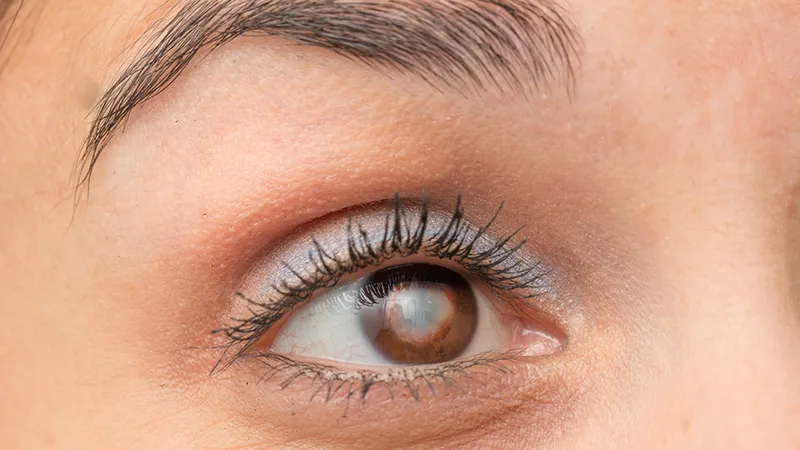
Signs Your Cataracts Are Getting Worse
Discover the key signs your cataracts are getting worse, from blurry vision to light sensitivity. Spot the symptoms early—learn more and protect your sight today!
Introduction: The Silent Blur
You don’t wake up one day and find your vision gone. Cataracts progress slowly—sometimes so quietly that patients learn to live with the changes. But over time, what starts as minor blurriness can morph into a daily obstacle. At Jryn Eye Clinic in Busan, we often hear patients say, "I thought it was just old age."
That’s partly true—cataracts are age-related. But worsening cataracts have specific signs. And the sooner you catch them, the more options you have for treatment.
In Korea, regular health checkups are the norm, and yet many people overlook eye exams. With screens becoming a bigger part of our daily life, from smartphone use to long work hours in front of computers, subtle vision decline often goes ignored. But our eyes are not meant to adapt endlessly. When cataracts begin to interfere with your independence or daily enjoyment, it’s time to pay attention.
This article will explore how cataracts change over time, what signs to look for, and how advanced treatments at clinics like Jryn Eye Clinic can restore not just your vision, but your quality of life.
The Early Murmur: When Your Vision Feels "Off"
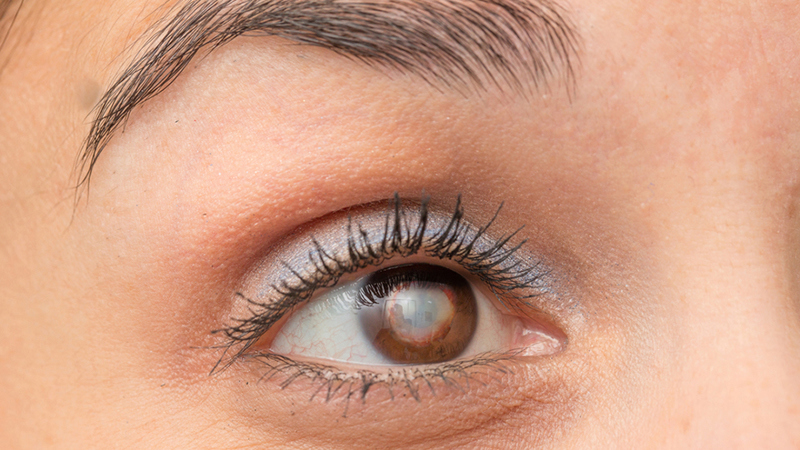
Cataracts typically begin as a gentle fog across your field of vision. Imagine walking through a misty morning—the world is still there, but its edges are softened. Many people brush this off, especially in Korea where screens, LED signs, and bright night lights are everywhere. But if you find yourself squinting at your phone or struggling with night driving, your eye’s lens may already be clouding.
Blurriness that doesn't improve with glasses or contact lenses is often a first sign. It creeps in—perhaps only in one eye—and subtly changes how you interact with your surroundings. Over time, even familiar spaces can feel unfamiliar.
Light Sensitivity: When Glare Takes Over Your Day

Here’s something patients don’t expect: light sensitivity. We’ve had patients from Busanjin and Seomyeon describe it like this—“Headlights hit me like flashbangs.” That dramatic discomfort, especially with night driving, is a hallmark of cataract progression.
Halos around lights, exaggerated glare from sunlight or lamps, or difficulty seeing when transitioning from a dark room to a bright space are all signs. For older adults, this isn’t just annoying—it’s dangerous. Falls often occur because the eye can’t adjust quickly enough to contrast.
In Korea’s bustling urban environments, bright signage and reflections from car lights are constant. If these become unbearable, it's not just a nuisance—it's a clinical indicator of vision obstruction.
A Muted Palette: When Colors Seem Less Alive
Cataracts don’t just blur—they wash out color. The natural lens inside the eye yellows over time, affecting how light passes through. What does this mean practically?
Whites turn beige. Reds become muddy. Greens lose their vibrancy. It’s like looking at the world through a sepia filter. We’ve had artists, photographers, and even homemakers in Busan come in saying, "My curtains used to be bright blue. Now they look gray."
This loss of color vibrancy doesn’t just affect aesthetics—it can influence mood, confidence, and the ability to perform tasks like cooking, choosing outfits, or appreciating nature. For anyone whose work or hobbies rely on color accuracy, the impact is deeply felt.
Double Vision in a Single Eye
This one surprises most people. Diplopia—double vision in one eye—is a strong indicator of a worsening cataract. It happens when light is refracted unevenly through a distorted lens. What’s tricky is that many patients adjust unconsciously—closing one eye to compensate.
But ignoring it means missing out on depth perception and clarity. And if you drive, cook, or walk outdoors, this can present real safety risks. We’ve seen patients withdraw from social life or reduce their activities because they lose confidence in what they’re seeing.
Prescription Changes That Don’t Help
You’ve changed glasses three times this year. The optometrist says your vision dropped again. But something feels off—like the glasses aren’t doing their job. That’s not your imagination. When cataracts progress, prescription changes offer diminishing returns.
At Jryn Eye Clinic, we see many patients who report "quick improvements" with new glasses, only to need another change months later. It’s a key sign the problem isn’t on the surface—it’s inside the lens.
In cases like these, patients are often surprised by how little improvement they get after new lenses. It’s not uncommon for them to ask, "Is it me or the glasses?" The answer is: it might be your cataract.
Everyday Hesitations: When Vision Slows You Down

This is perhaps the most emotional indicator. Patients don’t realize they’re avoiding stairs, dim corridors, or unfamiliar streets until they’re asked. "I hold my grandson’s hand tighter when we walk," one patient told us. "I didn’t used to."
When cataracts reach the stage of impairing mobility and confidence, they’re no longer mild. Visual cues that once came instantly now lag behind, making tasks like crossing a busy Busan street feel daunting.
The fear of falling or making a mistake can lead to reduced independence, anxiety, and even depression. It’s not just about clarity—it’s about control over your own life.
What Happens When Cataracts Advance Further?
If untreated, cataracts eventually lead to severe vision loss or legal blindness. That doesn’t mean complete darkness—but the ability to recognize faces, read, or navigate becomes severely compromised.
In South Korea, where life is fast-paced and visual interaction matters—from subway signage to smartphone apps—this kind of loss significantly impacts independence. The frustration of needing assistance for small daily tasks often becomes overwhelming.
How Jryn Eye Clinic Treats Progressive Cataracts
At Jryn Eye Clinic, we treat cataracts not as a one-size-fits-all issue, but a deeply personal one. Every patient has a unique lifestyle, visual demand, and eye structure. That’s why we begin with high-resolution diagnostic imaging—OCT, Scheimpflug analysis, and contrast sensitivity testing.
Dr. Han Sang Yeop, with over two decades of surgical experience, leads our team through each step—from confirmation to counseling to surgery. We believe that informed patients make the best decisions, so education is part of every consultation.
Advanced Lens Options:
Monofocal IOLs: For patients who prioritize clear distance vision.
EDOF and Multifocal IOLs: For those seeking range—from reading to driving—without constant glasses.
Toric IOLs: For patients with astigmatism, particularly common among our Korean patient population.
Many Korean insurance policies cover standard lenses, but premium lenses offer freedom many find life-changing. We walk patients through both options transparently.
Laser-Assisted Cataract Surgery
Our femtosecond laser system enhances precision, especially for patients with co-existing issues like astigmatism or presbyopia. It shortens healing time, reduces surgical variability, and increases overall safety.
Post-Surgery Care That Goes Beyond the Norm
Recovery isn’t just about vision—it’s about confidence. We don’t discharge and forget. Jryn patients receive tailored recovery guides, nutritional advice for ocular healing, and regular follow-ups to monitor adaptation.
Our Busan team frequently checks for secondary issues like posterior capsule opacification or dry eye, which can mimic recurrence. We’re with you through the full visual journey.
Patient Voices: A Familiar Story
Take Mr. Lee, a retired teacher from Yeonje-gu. He came in saying, “I’ve been teaching kids for 30 years—but now I can’t even read their homework.” Post-surgery, his words changed: “It’s like someone wiped the fog off my glasses.”
Restoring vision doesn’t just change what you see—it reclaims identity. We’ve heard similar stories from musicians, chefs, and parents—each rediscovering not just sight, but self.
Conclusion: Clarity is Closer Than You Think
Worsening cataracts don’t reverse on their own. But timely diagnosis can make the difference between living with compromise and seeing life fully. Whether it’s watching your granddaughter’s school performance or confidently navigating a subway platform, vision matters more than we sometimes admit.
At Jryn Eye Clinic, we believe clear sight is not just medical—it’s deeply human. If you’re noticing any of these signs, don’t wait. Schedule a comprehensive eye examination. We’ll guide you through what’s happening in your eye and help you choose a solution that fits your life.
Ready for a Personalized 1:1 Eye Consultation?
Schedule your comprehensive 3D eye examination with Chief Director Dr. Sang-Youp Han and our ophthalmology team on the 14th floor of JRYN Medical Center in Seomyeon, Busan.