Jryn Eye Clinic Busan (Seomyeon) · SMILE LASIK · EVO+ Visian ICL · Cataract & Retina Center · Tel: +82-51-710-1004
en-US

1:1 Consultation
CLINICAL ARTICLE & GUIDE
Should You Travel to Busan for SMILE Eye Surgery?
Considering SMILE eye surgery in Busan? Discover benefits, costs, and clinics to see if this vision correction option is right for you. Learn more today!

Introduction: Why People Are Flying for Clearer Vision

If you’ve been wearing glasses or contact lenses for years, you’ve probably imagined what life would feel like without them. No more fogged lenses when you sip hot soup. No more fumbling with contacts during a beach vacation. Just clear, natural vision from the moment you wake up.
For many people, SMILE eye surgery is the answer. It’s one of the safest, most advanced ways to permanently correct nearsightedness and astigmatism. And if you’ve been researching where to have the procedure done, chances are you’ve seen South Korea—especially Busan—come up again and again.
But is it really worth flying halfway across the world for eye surgery? At Jryn Eye Clinic in Busan, we meet patients who travel from Seoul, Tokyo, Singapore, Los Angeles, and beyond. Some come because Korea is known for high-volume, high-precision refractive surgery. Others come because they want the reassurance of being treated by a surgeon who has performed thousands of successful cases. And others see Busan not just as a medical destination, but as a place to recover peacefully while experiencing the warmth of Korean hospitality.
If you’re considering the journey, here’s everything you need to know.
What Is SMILE Surgery, Really?\n\nSMILE stands for Small Incision Lenticule Extraction. It’s often described as “the flap-free LASIK,” but that barely scratches the surface. Here’s what makes it unique:
Minimally Invasive: Instead of creating a large corneal flap, SMILE uses a femtosecond laser to make a tiny 2–4 mm incision. Through this, a small lenticule (disk-shaped piece of tissue) is removed to reshape the cornea.
No Flap, Less Risk: Because no flap is created, there’s no risk of flap dislocation—important for active patients, athletes, and military personnel.
Lower Chance of Dry Eye: SMILE preserves more corneal nerves, so patients often experience milder or shorter episodes of post-op dryness compared to LASIK.
Quick Healing: Most patients can return to daily routines, including work, within 1–2 days.
To put it simply, SMILE is like unlocking the same clarity as LASIK—but with gentler, more stable results. That’s why it has become one of Korea’s most sought-after procedures, especially among young adults and professionals.
Why Korea—and Why Busan in Particular?
South Korea has earned a global reputation for ophthalmology. It’s not only because of technology, but also because of culture and patient habits.
A Preventive Eye Care Culture
In Korea, regular eye check-ups are common, even among people without vision problems. Young adults often visit clinics to monitor dry eye or check suitability for vision correction. This cultural habit means Korean surgeons are used to detecting early corneal irregularities and tailoring surgical plans accordingly.
High Surgical Volume = Refined Skills
To be honest, nothing builds surgical skill like repetition. In Korea, SMILE has become mainstream much faster than in Europe or the U.S. Surgeons here may perform hundreds of cases each month, giving them an unmatched depth of experience.
Why Busan Instead of Seoul?
Most people think of Seoul first—but Busan offers:
The same cutting-edge technology (VisuMax femtosecond lasers, advanced diagnostics).
A calmer, more personalized experience. Clinics here aren’t trying to move hundreds of patients through per day.
Peaceful recovery. Imagine recovering at a seaside café or taking a slow walk along Haeundae Beach instead of in a crowded city center.
At Jryn Eye Clinic, patients often tell us they chose Busan because they wanted world-class surgery, but in a more approachable setting than Seoul’s mega-hospitals.
The Patient Experience: What It’s Really Like in Busan
So, what does it feel like to come to Busan for SMILE? Here’s what most patients experience:
Before Surgery
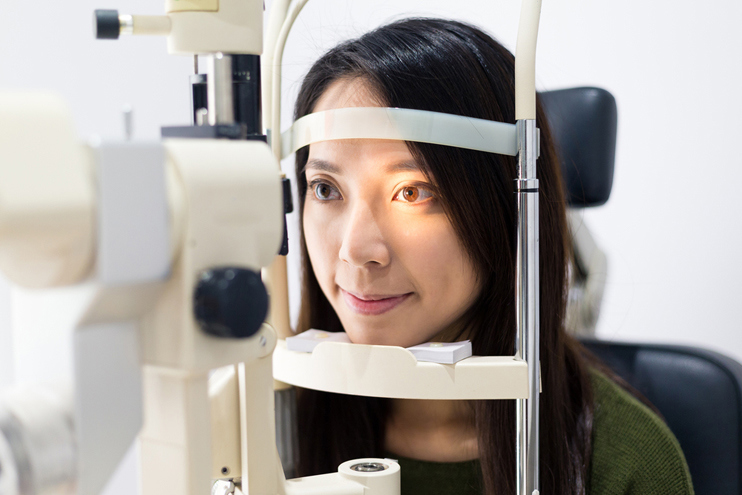
A 90-minute diagnostic exam checks corneal thickness, curvature, tear film, and retinal health. This ensures that only the right candidates proceed.
Patients meet directly with Dr. Han Sang Yeop to discuss their eyes and lifestyle. Unlike in some high-volume centers, you’re not just another number.
The Day of Surgery
The actual laser portion takes less than 30 seconds per eye.
Most patients describe it as pressure rather than pain.
After a short rest, patients go home the same day.
Recovery
Vision often clears within 24–48 hours.
Most patients are able to explore Busan lightly (with sunglasses) just two days after surgery.
Follow-up visits are scheduled 1 day, 3–4 days, and 1 week post-op.
One of our international patients from Canada said: “I expected it to feel like a hospital trip. Instead, it felt like I was cared for step by step, with time to enjoy Busan in between.”
How Busan Compares to Other Countries
It’s natural to wonder: why not just do SMILE at home?
Here are some key differences:
United States & Europe
SMILE is still not as widely available.
Many surgeons have less experience compared to their Korean counterparts.
Cost is often 2–3 times higher.
Southeast Asia
SMILE is available, but quality varies by clinic.
Post-op care may not be as structured.
Busan, Korea
High-volume, highly experienced surgeons.
Global-standard technology.
Transparent pricing, with aftercare included.
A healing environment that blends medical excellence with cultural warmth.
Is It Safe to Travel for Eye Surgery?
This is the question patients hesitate to ask out loud. The truth is: yes, it can be safe—as long as you choose wisely.
At Jryn Eye Clinic, our safety protocols include:
Advanced Diagnostics: Corneal topography, tear film analysis, and retinal imaging.
Strict Screening: Not everyone qualifies. If the cornea is too thin or irregular, we recommend alternatives like EVO ICL.
Sterile, Modern Facilities: Dedicated surgical suites maintained to international standards.
Structured Follow-Up: For international patients, digital follow-ups continue even after returning home.
What people often overlook is that aftercare is just as important as surgery. That’s why we build a care plan that extends beyond the week you spend in Busan.
Who Should Consider Traveling to Busan for SMILE?
SMILE in Busan may be a good fit if you:
Want surgery by a highly experienced surgeon.
Have been told you’re “borderline” for LASIK and want a second opinion.
Value detailed diagnostics and personalized care.
Plan to combine medical treatment with travel.
We’ve seen:
Students who fit in surgery during school breaks.
Working professionals who use vacation time to invest in their eyesight.
Patients from overseas who combine surgery with a meaningful trip to Korea.
Practical Tips for Medical Travelers
If you’re planning to come to Busan for SMILE, here’s what we recommend:
Plan for 7–10 Days in Busan
Most patients fly safely after a week.Send Records in Advance
If possible, email your glasses/contact lens prescription and eye exam history.Pack Essentials
Bring sunglasses, artificial tears, and avoid makeup for the first week.Rest, But Don’t Stay Indoors
Gentle walks, light sightseeing, and ocean air can make recovery more pleasant.Know the Language Barrier Isn’t a Barrier
Many clinics, including ours, offer English-speaking staff and translation support.
Conclusion: Is It Worth the Flight?
Traveling for surgery is never a small decision. It means trusting not only a doctor, but also a place. The truth is, Busan offers both—the precision of world-class ophthalmology and the comfort of a city known for its warmth and hospitality.
SMILE eye surgery here is more than just a procedure. It’s about restoring the freedom to live without glasses or contacts, guided by surgeons who perform this operation every day with proven expertise. For some patients, the flight feels long. But once they open their eyes after surgery and see the world clearly—whether it’s the ocean waves at Haeundae or the night lights along Gwangan Bridge—they realize the journey was worth it.
If you’ve been hesitating about vision correction, Busan may be the right place to take that step. With careful diagnostics, experienced surgeons, and thoughtful aftercare, you can move forward with confidence.
Ready for a Personalized 1:1 Eye Consultation?
Schedule your comprehensive 3D eye examination with Chief Director Dr. Sang-Youp Han and our ophthalmology team on the 14th floor of JRYN Medical Center in Seomyeon, Busan.