Jryn Eye Clinic Busan (Seomyeon) · SMILE LASIK · EVO+ Visian ICL · Cataract & Retina Center · Tel: +82-51-710-1004
en-US

1:1 Consultation
CLINICAL ARTICLE & GUIDE
Should You Remove Your ICL for Cataract Surgery?
Learn whether you should remove your ICL for cataract surgery, based on eye health and surgical needs. Consult with an ophthalmologist for personalized advice.
Introduction

At Jryn Eye Clinic, we understand that your vision is essential for maintaining your quality of life. Whether you’re enjoying a beautiful sunset, reading your favorite book, or spending time with loved ones, clear vision plays a crucial role in everyday experiences. For those with refractive errors, Implantable Collamer Lenses (ICLs) have been a transformative solution, offering freedom from glasses and contact lenses. However, as we age, other eye conditions, such as cataracts, may emerge, raising questions about how to proceed with treatment. If you have an ICL and are facing the prospect of cataract surgery, you might be wondering: should your ICL be removed before or during the surgery?
This is a valid concern, and at Jryn Eye Clinic, we’re committed to providing you with all the information you need to make an informed decision about your eye health. In this detailed guide, we’ll explain the relationship between ICLs and cataract surgery, the factors that influence whether ICL removal is necessary, and what to expect during and after your procedure.
What is an ICL?
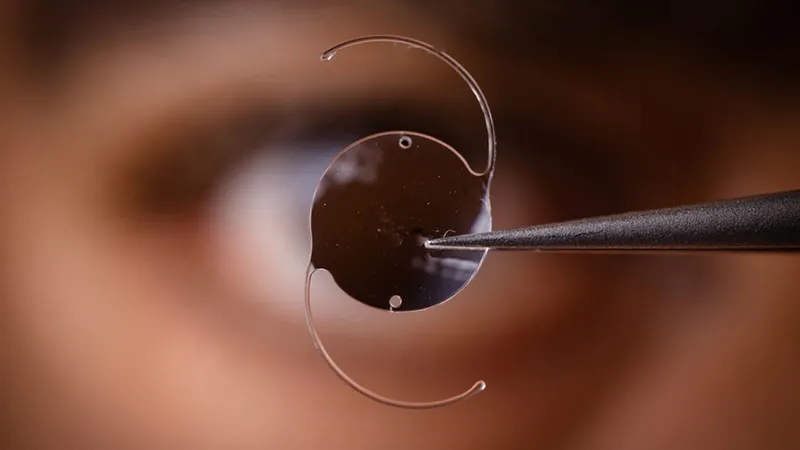
Before delving into the specifics of cataract surgery and ICL removal, it’s important to understand what an Implantable Collamer Lens (ICL) is and why it’s used. An ICL is a type of intraocular lens implanted inside the eye to correct refractive vision problems such as nearsightedness (myopia) or astigmatism. Unlike LASIK, which reshapes the cornea to improve vision, an ICL is a permanent solution that sits behind the iris, in front of the natural lens. It works by altering the way light enters the eye, providing improved clarity and vision for those who aren’t ideal candidates for LASIK.
ICLs are generally well-tolerated and offer excellent visual outcomes, providing a high-quality alternative to glasses or contact lenses. Importantly, they are also reversible, meaning that if needed, they can be removed without permanently altering the structure of the eye. However, as with any medical procedure, there are important considerations when dealing with an ICL in conjunction with other eye conditions, such as cataracts.
What are Cataracts, and How Do They Affect Vision?

A cataract is a clouding of the eye's natural lens, which leads to blurry or impaired vision. Cataracts are typically age-related and develop slowly over time, often without immediate symptoms. As cataracts progress, they can cause a variety of vision problems, including:
Blurred or cloudy vision
Difficulty seeing at night
Increased sensitivity to light and glare
Double vision
Faded or yellowed colors
For many individuals, cataracts can be treated effectively with surgery. Cataract surgery involves removing the cloudy lens and replacing it with an artificial intraocular lens (IOL). The goal is to restore clear vision and improve overall quality of life.
But what happens if you already have an ICL in place? Does the presence of the ICL complicate cataract surgery, and should it be removed before the procedure? Let’s explore this in more detail.
Should You Remove Your ICL for Cataract Surgery?
Whether you need to remove your ICL for cataract surgery depends on a variety of factors. At Jryn Eye Clinic, we evaluate each case individually, ensuring that the best approach is chosen based on your unique circumstances. The following are key considerations that will determine whether your ICL should be removed during cataract surgery:
Cataract Severity and Stage
Cataracts develop in stages, and in the early stages, they may not significantly impair vision. However, as the cataract progresses, it can cause significant blurring, glare, and difficulty with vision. The more advanced the cataract, the more likely it is that surgery will be needed. In some cases, if the cataract is particularly dense or advanced, it may obstruct access to the eye’s internal structures, making it necessary to remove the ICL to proceed with cataract extraction.
For instance, if the cataract has become very hard and difficult to remove, the surgeon may need to access the eye through the lens capsule. If the ICL is in the way or hindering the process, removal may be required. However, this will depend on the exact location of the ICL and the surgeon’s assessment of the situation.
ICL Position and Type
ICLs are typically placed behind the iris and in front of the natural lens. If the lens is properly positioned and not obstructing the cataract, it may be possible to remove the cataract and replace it with an IOL without having to remove the ICL. However, if the ICL is positioned in such a way that it interferes with the removal of the natural lens, it will likely need to be taken out before proceeding with cataract surgery.
The type of ICL you have may also play a role in this decision. Some ICLs are designed to correct for astigmatism, and these lenses may require special handling during surgery. Additionally, if you have a toric ICL (which corrects astigmatism) or a multifocal ICL (which provides vision correction at multiple distances), your surgeon may need to remove the ICL to access the cataract and plan for the appropriate intraocular lens placement.
Vision Changes and Your Refractive Needs

If you have an ICL, it means you’ve already had a procedure to correct refractive vision issues, such as nearsightedness. However, cataracts can alter the clarity of your vision, making it difficult to see clearly, even if you have an ICL. In this case, it may be necessary to replace both the cloudy natural lens and the ICL with an IOL that is suited to your current visual needs.
During cataract surgery, an IOL will be inserted to replace the natural lens. This IOL can be customized to correct any residual refractive errors after cataract surgery. If your vision has changed significantly since your ICL was implanted, the new IOL may be a better option for restoring optimal vision after the cataract is removed.
Age and Timing of Cataract Surgery
Cataracts are most common in people over the age of 60. If you are in this age range and are experiencing symptoms of cataracts, it’s likely that surgery will eventually be needed. The decision to remove your ICL will depend on how advanced your cataract is and whether it is interfering with the surgical process. Your surgeon will assess the timing of cataract surgery and discuss whether ICL removal is necessary based on the cataract’s stage.
Risks and Benefits of ICL Removal
ICL removal is generally a safe procedure, but it is not without risks. Some of the potential risks include:
Infection
Inflammation
Elevated eye pressure
Changes in vision
Potential complications during cataract surgery
At Jryn Eye Clinic, we take every precaution to minimize these risks, ensuring that your eye is properly prepared for surgery. The decision to remove the ICL is always made with your safety and long-term vision health in mind.
What to Expect During Cataract Surgery at Jryn Eye Clinic
At Jryn Eye Clinic, our team of experienced ophthalmologists will guide you through every step of the cataract surgery process, from pre-surgical evaluations to post-operative care. If your ICL needs to be removed, here's what you can expect during the procedure:
Pre-Surgical Assessment
Before any surgery is performed, we conduct a comprehensive eye examination to assess the severity of the cataract, the positioning of your ICL, and your overall eye health. We may also use advanced imaging techniques to help visualize the anatomy of your eye, which will inform our surgical plan.
ICL Removal (if Necessary)
If your ICL needs to be removed, we will do so gently and carefully, ensuring that the procedure is as safe as possible. This step is done prior to cataract removal to allow clear access to the cataract.
Cataract Extraction and IOL Implantation
After removing the ICL (if required), the cataract will be extracted, and a customized intraocular lens (IOL) will be implanted. The IOL will replace the cloudy lens and restore clear vision. Your surgeon will select an IOL based on your refractive needs, whether you need a monofocal lens, multifocal lens, or toric lens for astigmatism correction.
Post-Surgical Care
After your surgery, our team will provide you with detailed post-operative instructions. You’ll be given medications and eye drops to reduce inflammation and prevent infection. Regular follow-up visits will be scheduled to monitor your healing and ensure that your vision is improving.
Conclusion: Making the Right Decision for Your Vision
At Jryn Eye Clinic, we are dedicated to providing personalized care and ensuring that your eye health remains optimal throughout your life. If you have an ICL and are considering cataract surgery, the decision to remove your ICL depends on several factors, including the stage of your cataracts, the type and position of your ICL, and your overall vision needs. Our experienced surgeons will carefully evaluate your condition and work with you to determine the best course of action for your unique situation.
If you have concerns about cataracts or your ICL, don’t hesitate to contact Jryn Eye Clinic. We are here to help you achieve the best possible outcome for your vision, whether that involves ICL removal, cataract surgery, or another treatment option tailored to your needs.
Ready for a Personalized 1:1 Eye Consultation?
Schedule your comprehensive 3D eye examination with Chief Director Dr. Sang-Youp Han and our ophthalmology team on the 14th floor of JRYN Medical Center in Seomyeon, Busan.