Jryn Eye Clinic Busan (Seomyeon) · SMILE LASIK · EVO+ Visian ICL · Cataract & Retina Center · Tel: +82-51-710-1004
en-US

1:1 Consultation
CLINICAL ARTICLE & GUIDE
Should You Get a Second Opinion for Cataract Surgery?
Considering cataract surgery? Discover why getting a second opinion can help you make a confident, informed choice. Learn more from trusted experts today.

Introduction

Imagine this: You're sitting in a well-lit clinic, the doctor has just completed your eye examination, and you hear the words, "You have cataracts. Surgery is recommended." It might not be a surprise—perhaps you've noticed more glare when driving at night, or the world seems just a little dimmer than it used to. Still, the idea of surgery on your eyes can feel overwhelming. What happens next? Do you trust the first recommendation, or do you seek a second opinion?
In Korea, where medical care is fast-paced and highly efficient, many patients go straight from diagnosis to surgery without ever stopping to ask: "Is this the best option for me?" At Jryn Eye Clinic, we believe that this is exactly the moment when patients should slow down and explore their choices. Cataract surgery is not only common, it's life-changing—which makes it all the more important to be fully informed before proceeding.
This article explores why a second opinion before cataract surgery can be one of the wisest medical decisions you make. We'll break down what a second opinion involves, when it matters most, and why Korean patients should feel empowered to ask for more information without hesitation.
Why the First Diagnosis Isn’t Always the Final Word
Let’s be clear: cataract surgery is life-changing for the better in most cases. But the recommendation to proceed isn’t always black and white. The decision depends on multiple variables: how much the cataract is affecting your vision, your lifestyle, your general health, and even your expectations after surgery. Some patients come to us at Jryn Eye Clinic after being told they need immediate surgery, only for us to find that the cataracts are still mild and manageable with non-surgical adjustments for now.
In other cases, we’ve had patients come in for a second opinion because something just didn’t sit right. Either the diagnosis felt rushed, or the surgical options weren’t clearly explained. Sometimes it’s not about doubt—it’s about wanting clarity and confidence. Even in a world-class system like Korea's, it's easy for subtle signs to be missed or for procedures to feel overly standardized. But your eyes are not standard. They're uniquely yours.
It’s also important to understand that cataract development can vary significantly between individuals. Some progress slowly and may not affect daily life for years. Others can become problematic faster, particularly for people with diabetes, high myopia, or a history of steroid use. The speed of progression should guide treatment timing, not a one-size-fits-all schedule. That’s where a second opinion often reveals meaningful nuance.
What Does a "Second Opinion" Actually Involve?

A second opinion isn’t about questioning the professionalism of your first doctor. It’s about exploring your options in a high-stakes, deeply personal decision. At Jryn Eye Clinic, a second opinion involves:
A fresh diagnostic exam, including advanced imaging (like swept-source OCT, corneal topography, and contrast sensitivity testing) to assess cataract severity and detect coexisting eye conditions
A review of your previous findings, so we don’t start from scratch but build on what’s been done
An in-depth conversation about your vision goals, whether that means driving comfortably at night, reducing dependence on glasses, or managing other conditions like presbyopia
Explaining available lens technologies (monofocal, multifocal, extended depth of focus, toric lenses) in practical, relatable language so you can understand what each choice could mean in your daily life
Reviewing risks specific to your eye condition, including the impact of dry eye, corneal irregularities, or retinal issues
We often compare it to visiting an architect before renovating your home. Two experts can look at the same house and offer slightly different plans based on your needs. Just like choosing between a modern or traditional renovation, there are many right answers—the key is finding the one that fits your life.
When Should You Consider a Second Opinion?
There are certain situations where a second opinion isn’t just reasonable—it’s wise. Here are a few:
You feel rushed into scheduling surgery within days of your diagnosis, without time to consider options
The explanation was too brief, or you didn’t fully understand the risks, benefits, and long-term implications
You have other eye conditions like glaucoma, macular degeneration, high myopia, or dry eye syndrome, which can influence both the procedure and the outcome
You’re not confident about the lens options presented to you (e.g., monofocal vs. multifocal IOLs) and whether they match your lifestyle
You simply want peace of mind, especially before undergoing surgery on your eyes—one of your most essential senses
You were offered limited choices, especially in smaller clinics or busy hospitals that may prioritize efficiency over customization
Your visual symptoms don’t match the diagnosis, or you have doubts based on your own experiences
To be honest, many Korean patients are hesitant to seek a second opinion because they don’t want to offend their first doctor. That’s understandable. But from a medical ethics perspective, no professional should be threatened by it. In fact, a good doctor will support your desire to be fully informed.
In Korea, where patients often move quickly from consultation to surgery booking within the same week, this can feel like swimming against the current. But it’s worth it. Cataract surgery isn't a race—it’s a step toward better quality of life.
What Most Patients Don’t Realize About Cataract Surgery
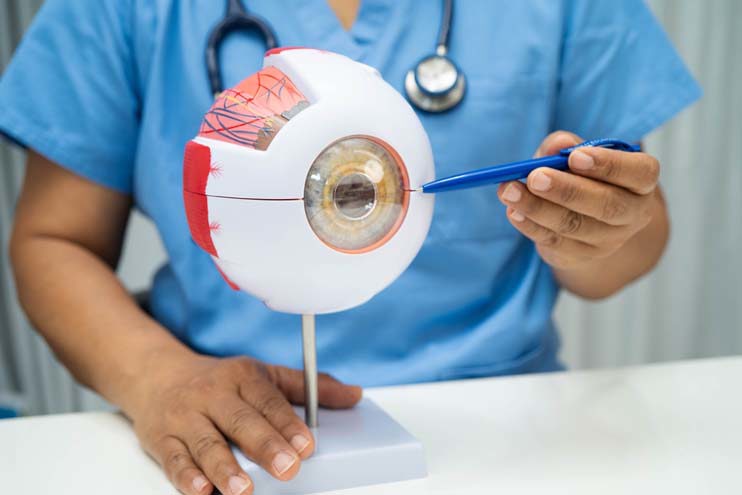
Here’s something we wish more people knew: cataract surgery today is not just about removing a cloudy lens. It’s also an opportunity to correct vision. That means choosing an intraocular lens (IOL) that can help reduce your need for glasses, depending on your lifestyle. But not every clinic is equipped or experienced in offering customized options like toric lenses for astigmatism or premium multifocal lenses.
At Jryn Eye Clinic, we often see patients who were only offered basic monofocal lenses because it was the simplest option. But for someone who enjoys golf, night driving, playing music, or frequent travel, a more tailored solution might provide better long-term satisfaction.
Also, consider this: some patients have dry eye or early macular degeneration that needs attention before surgery. If those aren’t managed properly, the surgical outcome can suffer. A second opinion can help uncover these hidden factors.
Even systemic health conditions like diabetes or high blood pressure can affect cataract surgery planning. For example, a diabetic patient with subtle macular edema may not be an ideal candidate for certain types of multifocal lenses. These are the nuances that don’t always get enough airtime in quick consultations.
And while we’re here, let’s talk about something sensitive: surgical complications. No one wants to think about them, but they do happen. A second opinion can sometimes identify higher risks—for example, a loose lens capsule, unstable zonules, or a cornea that doesn't heal well. At Jryn, we use precise diagnostic tools to detect these issues before they become problems in surgery.
The Emotional Side: Fear, Trust, and Taking Your Time
It’s okay to feel nervous about cataract surgery. Even though it's common, it's still eye surgery. Taking the time to gather information, reflect, and speak with another expert is not indecisiveness—it's maturity.
We’ve had patients tell us, "I just wanted to be sure I was doing the right thing." And more often than not, that peace of mind makes all the difference in their recovery and satisfaction afterward. Remember, you are not a passive recipient of medical care. You're an active participant, and your instincts deserve respect.
Trust is built not only through credentials and technology, but through communication. If your first experience left you with lingering questions or doubts, a second opinion can offer not only medical clarity but emotional reassurance.
In Korean culture, where respect and deference are important, some patients feel uncomfortable questioning authority. But your eyes are worth it. We encourage our patients to bring family members, write down questions, and take their time before committing to surgery.
Conclusion
Cataract surgery is a major step toward reclaiming clear vision, but it’s also a deeply personal decision. In Korea's fast-moving healthcare environment, it can feel natural to trust the first opinion and move quickly toward surgery. But at Jryn Eye Clinic, we've seen firsthand how a thoughtful second opinion can reveal important insights: better timing, better lens options, better understanding of risks, and sometimes, a completely different treatment plan.
Choosing to get a second opinion isn’t about distrust. It’s about valuing your health and taking the time to make the right decision—especially when it involves something as irreplaceable as your sight. Your eyes deserve attention, precision, and care tailored specifically to you.
If you’ve recently been told you need cataract surgery and feel unsure, listen to that inner voice. Let it guide you to more clarity, not confusion. At Jryn Eye Clinic, we’re here to walk with you through the fog of uncertainty into a future that’s truly worth seeing.
Ready for a Personalized 1:1 Eye Consultation?
Schedule your comprehensive 3D eye examination with Chief Director Dr. Sang-Youp Han and our ophthalmology team on the 14th floor of JRYN Medical Center in Seomyeon, Busan.