Jryn Eye Clinic Busan (Seomyeon) · SMILE LASIK · EVO+ Visian ICL · Cataract & Retina Center · Tel: +82-51-710-1004
en-US

1:1 Consultation
CLINICAL ARTICLE & GUIDE
Secondary Cataracts: Symptoms, Treatment, and Success of YAG Laser
Learn how secondary cataracts develop, common symptoms, and how YAG laser capsulotomy can restore vision safely and effectively.

Introduction: Confusion After Cataract Surgery
After undergoing cataract surgery, patients expect to experience clear, restored vision. However, some may notice a gradual return of blurry or cloudy vision months or even years after the procedure. This can be disheartening, especially when patients worry that their cataracts have returned. In reality, the issue might be secondary cataracts, medically known as posterior capsule opacification (PCO). Unlike the original cataracts, which are surgically removed, secondary cataracts result from changes in the eye's lens capsule after surgery.

While this complication is relatively common, the good news is that secondary cataracts are treatable and can be managed effectively with a quick, non-invasive procedure known as YAG laser capsulotomy.
What Exactly Is a Secondary Cataract?
Secondary cataracts, or posterior capsule opacification (PCO), are not a recurrence of cataracts but a complication following cataract surgery. During cataract surgery, the natural, cloudy lens is removed and replaced with an intraocular lens (IOL). The IOL is placed inside a clear membrane called the posterior capsule. However, over time, the capsule can become cloudy as the cells that remained in the capsule after surgery proliferate. This causes light to scatter and results in blurry vision, resembling the symptoms of the original cataract.
PCO is a common occurrence, affecting up to 50% of patients who have undergone cataract surgery. Though it can be frustrating, PCO is not a sign of surgery failure and is easily treatable.
How Does PCO Develop?
The posterior capsule is left intact during cataract surgery to hold the new IOL in place. In some cases, the cells of the capsule can start to grow and cause clouding. This is a natural part of the eye's healing process, but the overgrowth of cells can result in opacity that interferes with the clarity of vision.
The development of PCO can be influenced by several factors, such as:
Age: Younger patients tend to experience PCO sooner due to faster cellular regrowth.
Type of IOL: Certain types of IOLs may be more prone to clouding than others.
Surgical technique: Advanced surgical techniques can reduce the risk of developing secondary cataracts.
The symptoms of PCO often appear gradually, and in many cases, patients may not notice significant changes until months or even years after the surgery.
Common Symptoms of Secondary Cataracts
The symptoms of secondary cataracts are very similar to those of the original cataract and may include:
Blurry or cloudy vision that worsens over time
Increased sensitivity to light, glare, or halos around lights, especially at night
Difficulty reading, particularly in dim light
Reduced contrast sensitivity, making it harder to distinguish between similar shades or colors
These changes can affect daily tasks such as driving at night, working on a computer, or reading small print. If you are experiencing any of these symptoms, it’s important to schedule an evaluation with your ophthalmologist for a thorough eye exam.
Diagnosing PCO: What to Expect
If you experience vision changes after cataract surgery, your eye doctor will perform a thorough examination to determine whether secondary cataracts are the cause. This usually involves:
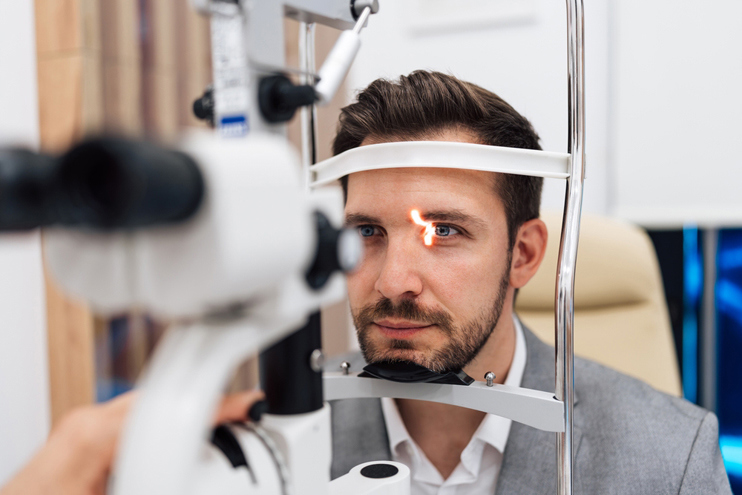
Slit-lamp examination: To inspect the posterior capsule for cloudiness.
Contrast sensitivity tests: To assess the clarity of your vision in various lighting conditions.
Advanced imaging: High-resolution 3D imaging can be used to evaluate the posterior capsule’s condition and rule out other issues.
PCO is generally diagnosed after an evaluation that rules out other potential causes of vision loss, ensuring prompt treatment.
Treatment for Secondary Cataracts: YAG Laser Capsulotomy
The primary treatment for secondary cataracts is YAG laser capsulotomy. This outpatient, non-invasive procedure uses a highly focused laser to create a small opening in the cloudy posterior capsule, allowing light to pass through to the retina once again. Most patients experience immediate improvement in their vision after the procedure.
Here are the main benefits of YAG laser capsulotomy:
Painless: The procedure is typically pain-free, and patients may only feel slight pressure.
No incisions or stitches: Since it is a laser treatment, there is no need for cutting the eye.
Quick recovery: The procedure is completed in under 15 minutes, and most patients return to their normal activities the following day.
Highly effective: The laser clears the cloudiness with minimal risk, making it a reliable solution for restoring vision.
Expert Perspective on YAG Laser Treatment
Dr. Jane Doe, a renowned ophthalmologist with over 20 years of experience, explains, “YAG laser capsulotomy is one of the safest and most effective treatments for secondary cataracts. The procedure can be completed in just a few minutes, and most patients experience a dramatic improvement in vision within hours. It’s a straightforward treatment that can save patients from undergoing another invasive surgery.”
Studies have shown that the success rate of YAG laser capsulotomy is extremely high, with over 90% of patients achieving significant improvement in vision post-treatment. The procedure has been the gold standard for managing secondary cataracts for decades and continues to deliver excellent outcomes for most patients.
Is the YAG Laser Treatment Permanent?
For most patients, the effects of YAG laser capsulotomy are permanent. Once the cloudy capsule is cleared, it does not typically regenerate. However, in rare cases, some patients may experience a recurrence of opacity. If this happens, a repeat treatment can be performed with minimal risk.
While the procedure has a high success rate, it’s important to discuss any concerns with your ophthalmologist to understand the risks and ensure the best possible outcome for your vision.
Risks and Considerations
Although YAG laser capsulotomy is considered very safe, there are a few risks associated with the procedure. The most commonly reported side effects include:
Temporary floaters: Small specks or spots in your vision that usually disappear within a few days.
Increased intraocular pressure: This can be managed with eye drops if needed.
Rare complications: Though extremely uncommon, risks such as retinal detachment or macular edema may occur, particularly in patients with pre-existing eye conditions.
Before undergoing treatment, your ophthalmologist will review your medical history and explain the risks to ensure that you are a good candidate for the procedure.
Why Choose Jryn Eye Clinic for YAG Laser Treatment?
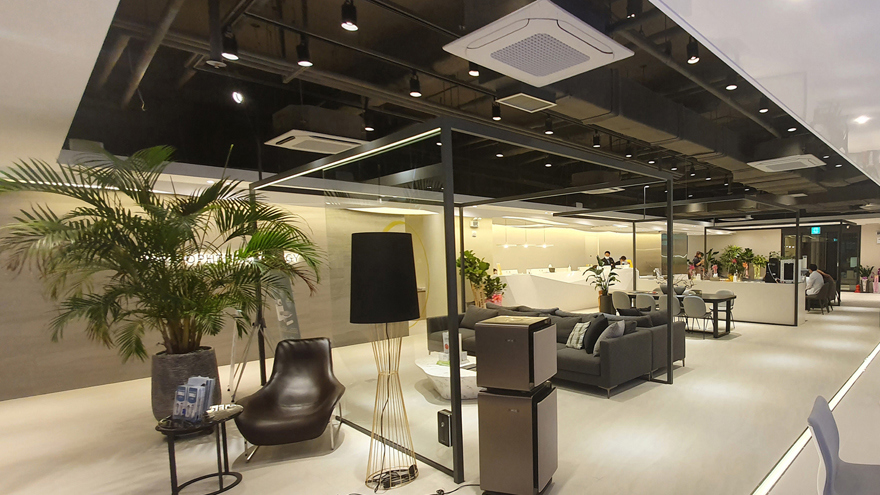
When it comes to addressing secondary cataracts with precision and care, Jryn Eye Clinic in Busan, Korea, stands out as a top choice for patients seeking effective YAG laser treatment. Here's why:
1. Expertise and Experience of the Clinic’s Medical Team
Jryn Eye Clinic is renowned for its highly skilled and experienced team of ophthalmologists. With over 20 years of clinical expertise, our medical professionals specialize in advanced vision correction, including YAG laser procedures for secondary cataracts. The clinic is led by Dr. Han Sang Yeop, a board-certified ophthalmologist and a globally recognized expert in refractive surgery, including treatments like SMILE LASIK, LASIK, and cataract surgeries. His vast experience ensures that every patient receives optimal care, backed by the latest advancements in ophthalmic science.
Our team includes specialists like Dr. Heo Joong Gu and Dr. Lee Jae Jung, both with significant experience in treating complex eye conditions and performing advanced surgeries. Their expertise, combined with the clinic’s reputation for precision, ensures that patients are in the best hands when undergoing YAG laser treatment.
2. Use of Advanced Technology Like the VisuMax Femtosecond Laser
At Jryn Eye Clinic, we utilize the latest VisuMax femtosecond laser technology to enhance the accuracy and safety of eye procedures, including YAG laser capsulotomy for secondary cataracts. The VisuMax laser is known for its precision, creating minute adjustments that significantly reduce risks during surgery. This technology helps us achieve better outcomes and reduces the recovery time for patients. Using advanced technology like this allows our team to offer the highest standard of care and ensures that procedures are carried out with minimal discomfort and maximal efficiency.
3. Patient-Centered Approach with Tailored Treatment Plans
We understand that every patient’s eyes are unique, and so is their vision correction journey. That’s why we take a patient-centered approach, focusing on delivering individualized care at every step of the process. From the initial consultation to post-treatment follow-ups, Jryn Eye Clinic provides tailored treatment plans that are customized to meet the specific needs of each patient. Whether you need a routine YAG laser capsulotomy or a more complex procedure, our doctors will discuss your unique condition, preferences, and concerns, ensuring that you receive the most appropriate care for your eyes.
This personalized care extends to the pre-surgical assessments and advanced 3D imaging technologies we use to evaluate your eye health. By getting an in-depth look at the condition of your eyes before treatment, we can design the most effective and safe treatment plan for you.
Conclusion: Restoring Clear Vision After Cataract Surgery
Secondary cataracts, or posterior capsule opacification, are a common and treatable complication after cataract surgery. While it may feel like your cataract has returned, secondary cataracts can be managed with a safe, non-invasive procedure called YAG laser capsulotomy. If you're experiencing blurry vision, glare, or other visual disturbances, it’s important to schedule an eye exam for a thorough evaluation.
With timely diagnosis and treatment, you can restore your vision and enjoy clear sight once again, without the need for additional cataract surgery.
Ready for a Personalized 1:1 Eye Consultation?
Schedule your comprehensive 3D eye examination with Chief Director Dr. Sang-Youp Han and our ophthalmology team on the 14th floor of JRYN Medical Center in Seomyeon, Busan.