Jryn Eye Clinic Busan (Seomyeon) · SMILE LASIK · EVO+ Visian ICL · Cataract & Retina Center · Tel: +82-51-710-1004
en-US

1:1 Consultation
CLINICAL ARTICLE & GUIDE
Robotic SMILE Pro: Using AI to Eliminate Human Surgical Error
Discover the future of vision correction in Korea. Robotic SMILE Pro uses AI for 10-second precision, 24-hour recovery, and flap-free safety.

South Korea has long been the global epicenter for vision correction, with a refractive surgery market projected to reach USD 174.4 million by 2035 (a CAGR of 8.7%). According to a nationwide survey, the prevalence of myopia among young Koreans is among the highest in the world, affecting over 50% of the population. This high demand has pushed Korean clinics like Jryn Eye Clinic to the absolute frontier of medical technology.
While traditional laser surgeries have helped millions, the "human factor"-microscopic tremors or slight eye movements-has always been the final hurdle in achieving perfect visual outcomes. Enter Robotic SMILE Pro, a tech-driven evolution that uses AI and robotic precision to reshape the cornea in just 10 seconds, virtually eliminating the risks associated with manual intervention.
Understanding Vision Correction in Korea: Benefits, Risks, and Ideal Candidates
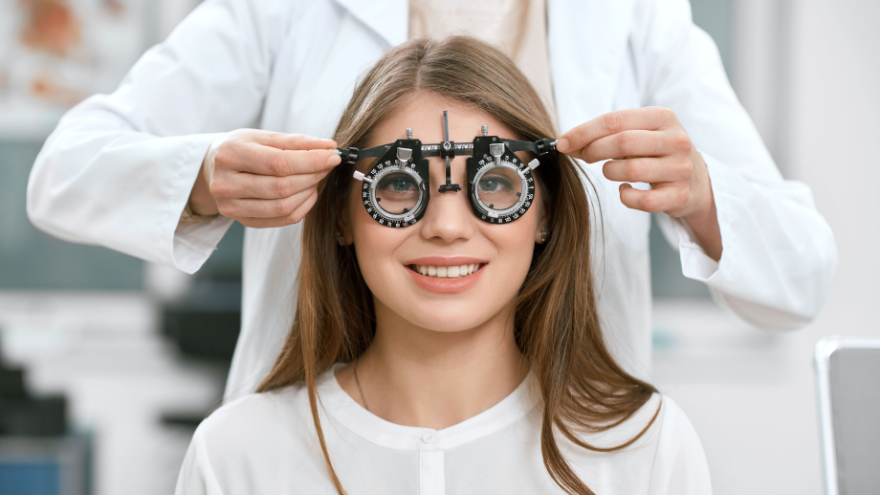
For patients in their 30s to 70s, vision correction is no longer just about discarding glasses; it is about lifestyle preservation. Whether you are dealing with high myopia, astigmatism, or early-stage presbyopia (age-related vision changes), the goal is the same: crisp, stable vision with zero downtime.
Ideal candidates for the Robotic SMILE Pro approach include:
- High-Impact Lifestyles: Athletes or military personnel who cannot risk "flap" displacement.
- Chronic Dry Eye Patients: Those for whom traditional LASIK might worsen tear film instability.
- High Prescription Cases: Patients previously told they have "thin corneas" or high astigmatism.
- Medical Tourists: International patients who need a "one-day" surgery and recovery protocol.
Standard Vision Correction Approaches & Their Limitations
Traditionally, Korean patients have chosen between three primary "generations" of surgery. While effective, each has specific trade-offs:
| Option | Method | Common Limitations |
|---|---|---|
| LASEK / PRK | Surface ablation; removes the epithelium. | Significant pain for 3–4 days; recovery takes weeks. |
| Traditional LASIK | Creates a 20mm circular flap to laser underneath. | Risk of flap displacement; higher incidence of post-op dry eye. |
| Standard SMILE | 2mm incision; lenticule extraction. | Laser time (30s) allows more room for micro-movements. |
Common Pain Points:
- Downtime: Traditional methods often require taking 3–7 days off work.
- The "Suction Loss" Anxiety: Longer laser times increase the chance of a patient moving, which can interrupt the procedure.
- Night Glare: Manual centration can sometimes lead to halos or glares if the laser is not perfectly aligned with the visual axis.
The Advanced Approach: Robotic SMILE Pro & AI-Guided Planning
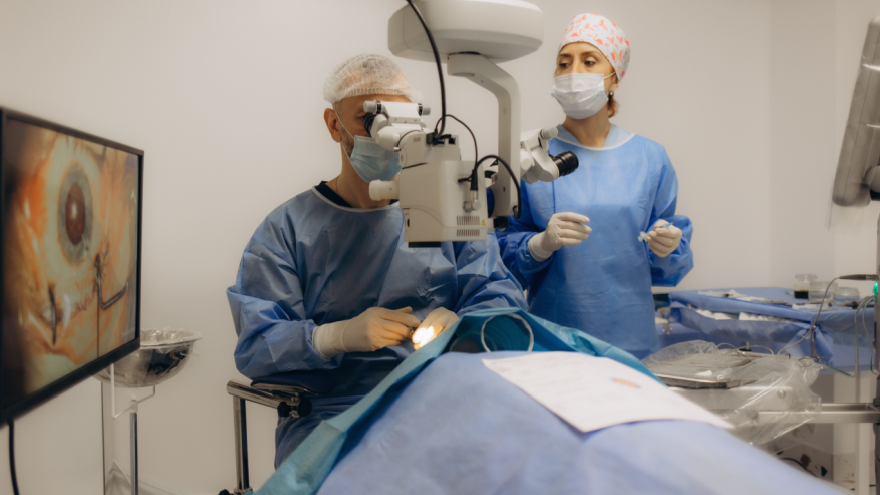
Robotic SMILE Pro is the "4th Generation" of laser vision correction. It utilizes the ZEISS VisuMax 800 laser, which is equipped with AI-driven software to compensate for human variables.
How it works:
Instead of a surgeon manually centering the laser, the system uses CentraLign® and OcuLign®-AI technologies that automatically detect the eye’s visual axis and rotation. The "robotic" aspect refers to the high-frequency laser (2 MHz) that completes the incision in under 10 seconds, which is nearly 3 times faster than previous versions.
Why it is superior:
- Human Error Mitigation: The AI digital tracker adjusts for microscopic eye movements in real-time.
- Biomechanical Strength: Because there is no flap, the cornea remains significantly stronger than in LASIK.
- Minimally Invasive: A tiny 2mm incision means the corneal nerves are preserved, reducing dry eye symptoms by up to 80% compared to traditional methods.
Is Robotic SMILE Pro in Korea worth the higher cost?
Yes. While the upfront cost is higher than LASEK, the reduction in follow-up visits, the elimination of "flap" risks, and the ability to return to work within 24 hours provide a higher long-term value for busy professionals and international travelers.
Data & Outcomes: Anchoring Vision with Numbers
The shift toward robotic and AI-guided care is supported by significant outcome benchmarks. In clinical reports from Korean centers, the stability and precision of the SMILE Pro platform show a clear advantage over conventional paths.
Comparison of Treatment Pathways
| Metric | Conventional LASIK / LASEK | Robotic SMILE Pro (AI-Assisted) |
|---|---|---|
| Laser Time | 20–40 Seconds | 9–10 Seconds |
| Incision Size | 20mm (Flap) | 2mm (Micro) |
| Return to Work | 3–5 Days | Next Day (24 hours) |
| Dry Eye Risk | Moderate to High | Minimal |
| Precision | Manual / Subjective | AI / Digital Axis Tracking |
Local Korea Insights: Why Seoul Leads the World
The Korean medical ecosystem is uniquely positioned for high-tech ophthalmology. Patients here expect "Pali-Pali" (fast-fast) results without compromising safety.
- The "One-Day" Protocol: Most major Seoul clinics offer a same-day "Screen-to-Surgery" model, where advanced 50-point diagnostic exams are performed in the morning and surgery in the afternoon.
- Regulatory Context: The Korean Ministry of Food and Drug Safety (MFDS) and the Digital Medical Products Act of 2024 have accelerated the adoption of AI-enabled scanners and robotic surgical arms.
- Medical Tourism: Because surgical volume in Korea is the highest per capita, Korean surgeons are often the "Global Trainers" for companies like ZEISS, meaning patients receive treatment from the people who teach other doctors.
Where Jryn Eye Clinic Fits in Vision Correction in Korea
Jryn Eye Clinic specializes in high-precision refractive surgery, positioning itself as a leader in the "Safety-First" robotic era. The clinic is best known for its "50-Point Eye Exam" and mandatory DNA screening to ensure patient eligibility before any laser touches the eye.
Led by surgeons with over 20 years of experience, Jryn Eye Clinic utilizes the SMILE Pro protocol to treat complex cases-including those previously rejected for surgery elsewhere due to high astigmatism or thin corneas. By combining AI-assisted planning with the VisuMax 800 technology, the clinic ensures that every procedure is a "fingerprint-accurate" match for the patient’s unique ocular anatomy.
Conclusion
With over 1 in 2 young Koreans requiring vision correction, the limitations of traditional surgery-long recovery times and manual error-are being solved by automation. Robotic SMILE Pro represents a significant leap forward, offering a 10-second, flapless solution that prioritizes safety and long-term corneal health.
Patients considering SMILE Pro in Korea can schedule a consultation to discuss whether this AI-driven approach may be suitable for their specific condition and visual goals.
Ready for a Personalized 1:1 Eye Consultation?
Schedule your comprehensive 3D eye examination with Chief Director Dr. Sang-Youp Han and our ophthalmology team on the 14th floor of JRYN Medical Center in Seomyeon, Busan.