Jryn Eye Clinic Busan (Seomyeon) · SMILE LASIK · EVO+ Visian ICL · Cataract & Retina Center · Tel: +82-51-710-1004
en-US

1:1 Consultation
CLINICAL ARTICLE & GUIDE
Retinal Vascular Occlusion: Causes, Symptoms, and Treatment in Busan
Learn about retinal vascular occlusion, a leading cause of sudden vision loss. Explore causes, symptoms, and treatments at Jryn Eye Clinic in Busan.
Introduction
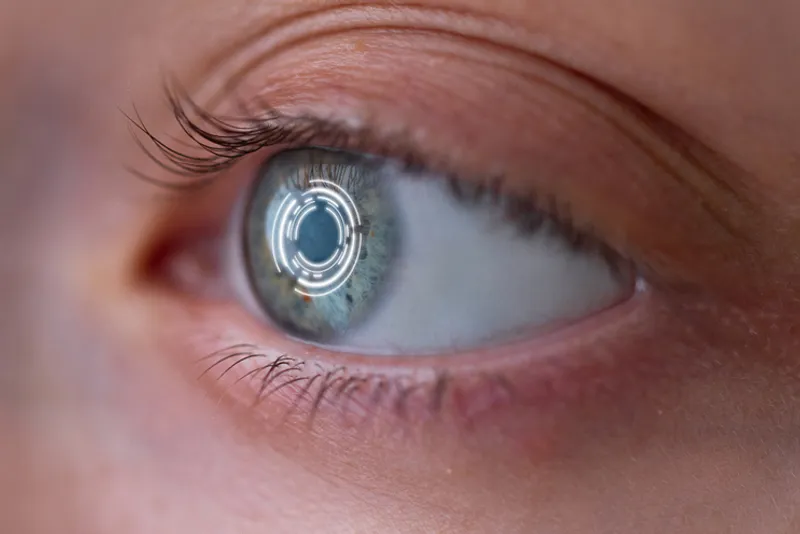
Experiencing sudden, painless vision loss in one eye can be an overwhelming and distressing event. For many patients, it may feel like a heavy curtain has fallen over their vision or that everything has gone dark unexpectedly. Retinal vascular occlusion (RVO) is one of the leading causes of such vision loss, where the blood supply to the retina—the part of the eye that captures light and converts it into visual information—is interrupted. This condition is often described as an "eye stroke," and like a stroke, it requires immediate medical attention to preserve vision and prevent further damage.
At Jryn Eye Clinic in Busan, we emphasize the importance of timely intervention in treating retinal vascular occlusion to improve outcomes and preserve sight. Our experienced team of ophthalmologists specializes in the diagnosis, treatment, and management of retinal vascular occlusions, providing comprehensive care to each patient.
What is Retinal Vascular Occlusion?
Retinal vascular occlusion refers to the obstruction of blood flow in the small vessels of the retina. The retina is a crucial part of the eye that captures visual information and sends it to the brain. When the blood vessels that supply the retina are blocked, it leads to oxygen deprivation, which can cause irreversible damage to retinal cells. The retina depends on a steady blood supply for oxygen and nutrients, so any disruption can have significant effects on vision.
Retinal vascular occlusion is categorized into two main types:
Retinal Artery Occlusion (RAO): Occurs when the main retinal artery or one of its branches becomes blocked.
Retinal Vein Occlusion (RVO): Occurs when the main retinal vein or one of its branches is obstructed.
Both conditions are serious and require immediate attention to minimize the risk of permanent vision loss. The severity and prognosis of retinal vascular occlusion depend on which type occurs, the location of the blockage, and how quickly the condition is treated.
Causes of Retinal Vascular Occlusion
Retinal vascular occlusion can arise from several causes, and the underlying mechanisms of the blockage help to differentiate between the types of occlusions.
Embolism: The most common cause of retinal artery occlusion is embolism. Emboli are small clots, cholesterol plaques, or other debris that form elsewhere in the body, such as in the heart or carotid arteries. These particles travel through the bloodstream and lodge in the retinal artery, causing a blockage. Embolism is a serious condition that often indicates broader cardiovascular issues, such as atrial fibrillation or carotid artery disease.
Thrombosis: In retinal vein occlusion, thrombosis plays a significant role. A clot forms directly within the retinal vein, blocking blood flow and causing a backup of blood and increased pressure. This can lead to leakage of fluid into the retina, causing swelling (macular edema) and damage to retinal cells.
Systemic Conditions: Several underlying systemic health issues can contribute to the risk of retinal vascular occlusion:
Hypertension (high blood pressure): High blood pressure can damage and narrow the blood vessels, increasing the likelihood of blockages.
Diabetes: Diabetes can lead to diabetic retinopathy, a condition that affects the blood vessels in the retina and makes them more susceptible to occlusion.
Atherosclerosis: The buildup of plaque in the arteries, commonly known as hardening of the arteries, can obstruct the flow of blood to the retina.
Inflammatory Diseases: Conditions such as vasculitis, which cause inflammation of the blood vessels, can increase the risk of retinal vascular occlusion.
Cardiac Conditions: Conditions such as atrial fibrillation, which leads to irregular heartbeats, increase the risk of embolism traveling to the retina.
Lifestyle Factors: Smoking, high cholesterol levels, and poor diet can all contribute to vascular health problems and increase the likelihood of retinal vascular occlusion. Individuals with sedentary lifestyles, poor diet, and other cardiovascular risk factors are more likely to develop these conditions.
Symptoms and Diagnosis
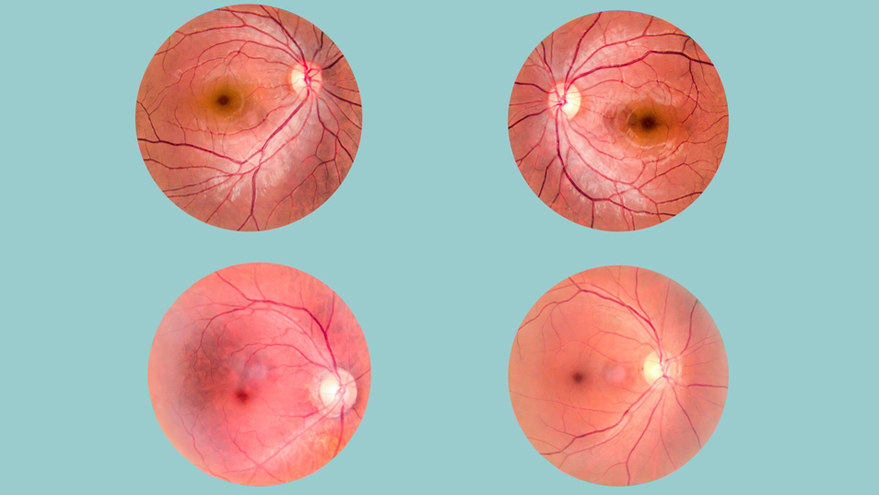
The hallmark symptom of retinal vascular occlusion is sudden, often painless vision loss in one eye. Depending on the type of occlusion, the extent and onset of vision loss can vary:
Retinal Artery Occlusion (RAO): Typically leads to rapid, profound vision loss, often described as a complete blackout or a curtain falling over the visual field. Some patients may notice a significant decrease in vision, often accompanied by a gray or darkened visual field.
Retinal Vein Occlusion (RVO): Symptoms of retinal vein occlusion can range from blurred vision to partial vision loss. Some patients may notice distortions or dark spots in their field of vision, while others may experience gradual visual impairment.
It’s essential to seek immediate medical care if any symptoms of sudden vision loss occur. Prompt treatment can help prevent irreversible damage to the retina and maximize the chances of recovery.
At Jryn Eye Clinic , we employ advanced diagnostic tools to accurately identify retinal vascular occlusion and determine the extent of damage. Some of the diagnostic methods we use include:
Optical Coherence Tomography (OCT): A non-invasive imaging technique that provides high-resolution cross-sectional images of the retina, allowing us to detect structural changes, swelling, and fluid accumulation in the retina.
Fluorescein Angiography: This diagnostic procedure involves injecting a special dye into the bloodstream and taking photographs of the retina to visualize blood flow and detect areas of blockage or leakage.
Visual Acuity Testing: Standard eye exams that measure how well you can see at various distances. These tests help determine the extent of vision loss.
Visual Field Tests: These tests assess the range of your peripheral vision and help identify areas where vision may be diminished or absent.
Treatment Options for Retinal Vascular Occlusion
Treatment for retinal vascular occlusion depends on the type of occlusion and the severity of the damage. The goal is to restore blood flow, prevent further damage, and manage any complications that arise.
Retinal Artery Occlusion (RAO):
Ocular Massage: Gentle massage of the eye may help dislodge the embolus and restore blood flow.
Anterior Chamber Paracentesis: This procedure involves removing a small amount of fluid from the front of the eye to decrease intraocular pressure and help restore circulation.
Hyperbaric Oxygen Therapy: This treatment provides oxygen at higher-than-normal pressures and may help increase the oxygen supply to the retina.
Since RAO is often caused by emboli from the heart or carotid arteries, addressing the underlying cardiovascular issue is crucial in preventing future occlusions.
Retinal Vein Occlusion (RVO):
Anti-VEGF Injections: Anti-vascular endothelial growth factor (VEGF) medications, such as ranibizumab (Lucentis) or aflibercept (Eylea), can reduce macular edema by blocking the growth of abnormal blood vessels and preventing fluid leakage.
Laser Photocoagulation: Laser therapy can be used to seal leaking blood vessels, preventing further damage and reducing the risk of complications such as retinal neovascularization.
Steroid Injections: Steroid medications can be injected into the eye to reduce inflammation and swelling caused by RVO.
In addition to these treatments, managing underlying conditions like hypertension, diabetes, and high cholesterol is essential for both the short- and long-term management of retinal vascular occlusion.
Preventing Retinal Vascular Occlusion
Prevention is centered around managing risk factors and maintaining good vascular health. Here are key steps that can reduce your risk of retinal vascular occlusion:
Control Chronic Health Conditions: Managing conditions like high blood pressure, diabetes, and high cholesterol is essential. Regular check-ups with your primary care physician can help you stay on top of these conditions and minimize risks.
Adopt a Healthy Lifestyle: A heart-healthy diet, regular exercise, and avoiding smoking are important steps in preventing retinal vascular occlusion. A diet rich in fruits, vegetables, whole grains, and lean proteins can help lower cholesterol and blood pressure.
Regular Eye Exams: Routine eye exams are crucial for early detection of retinal vascular occlusion, especially for individuals over the age of 50 or those with risk factors such as diabetes, hypertension, or cardiovascular disease.
Manage Stress: Chronic stress can contribute to high blood pressure and other cardiovascular problems. Finding ways to manage stress through relaxation techniques, exercise, or therapy can help improve overall vascular health.
Coping with the Emotional Impact of Vision Loss
Sudden vision loss can be an emotionally overwhelming experience. Many patients report feelings of anxiety, depression, and fear of permanent blindness. It’s essential to acknowledge and address these emotional challenges as part of the treatment process.
At Jryn Eye Clinic, we understand the psychological impact that vision loss can have on patients and offer comprehensive support to help you cope with the emotional consequences. Our team can connect you with vision rehabilitation services, counseling, and support groups that provide a network of individuals who understand what you are going through. We also help guide patients through the process of adjusting to any long-term visual impairments.
Why Choose Jryn Eye Clinic?

Jryn Eye Clinic, located in Busan, is a trusted provider of advanced ophthalmic care with over 20 years of experience in diagnosing and treating retinal vascular occlusions. Our expert team combines state-of-the-art technology with personalized treatment plans tailored to each patient's unique needs. Whether you are experiencing an emergency retinal artery occlusion or managing a chronic retinal vein occlusion, we are committed to providing compassionate care and improving your quality of life.
Conclusion
Retinal vascular occlusion is a serious condition that can cause sudden and significant vision loss. Early recognition, prompt treatment, and ongoing management are essential for preserving vision and preventing further complications. At Jryn Eye Clinic, we are committed to providing expert care and support to help you manage and overcome retinal vascular occlusion.
If you or a loved one experiences sudden changes in vision, don’t delay—reach out to our clinic for a comprehensive evaluation and treatment plan designed to protect and restore your vision.
Ready for a Personalized 1:1 Eye Consultation?
Schedule your comprehensive 3D eye examination with Chief Director Dr. Sang-Youp Han and our ophthalmology team on the 14th floor of JRYN Medical Center in Seomyeon, Busan.