Jryn Eye Clinic Busan (Seomyeon) · SMILE LASIK · EVO+ Visian ICL · Cataract & Retina Center · Tel: +82-51-710-1004
en-US

1:1 Consultation
CLINICAL ARTICLE & GUIDE
Restore Youthful Vision with Advanced Cataract Surgery & LASIK
Explore the latest cataract surgery, SMILE LASIK, and ICL treatments to restore your vision and regain independence. Learn more about recovery and patient outcomes.
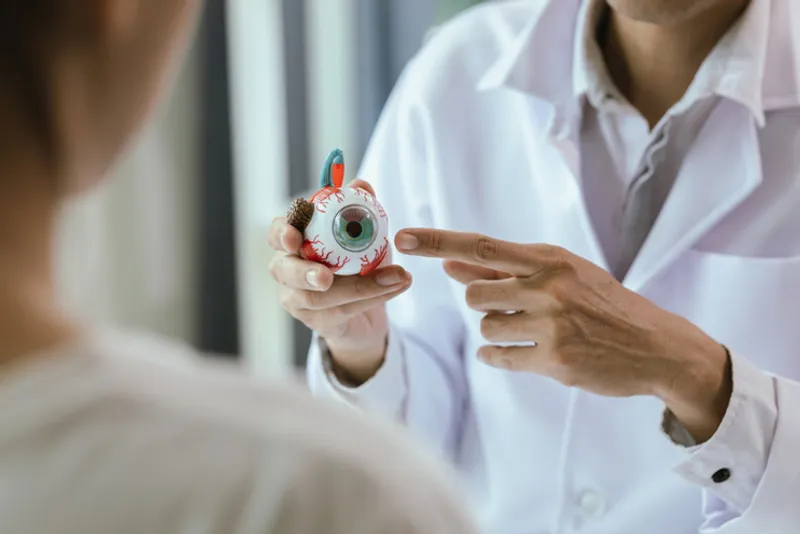
Introduction: The Emotional Impact of Aging Eyes
As we age, changes in our vision are inevitable. These changes may seem subtle at first—difficulty reading fine print, increased sensitivity to light, or blurry vision—but over time, they can significantly affect our ability to enjoy everyday activities. Losing the ability to clearly see loved ones, read, or drive can be emotionally challenging. The frustration and anxiety associated with diminished eyesight are often underestimated, but the good news is that modern technology has made restoring clear vision not only possible but highly effective.
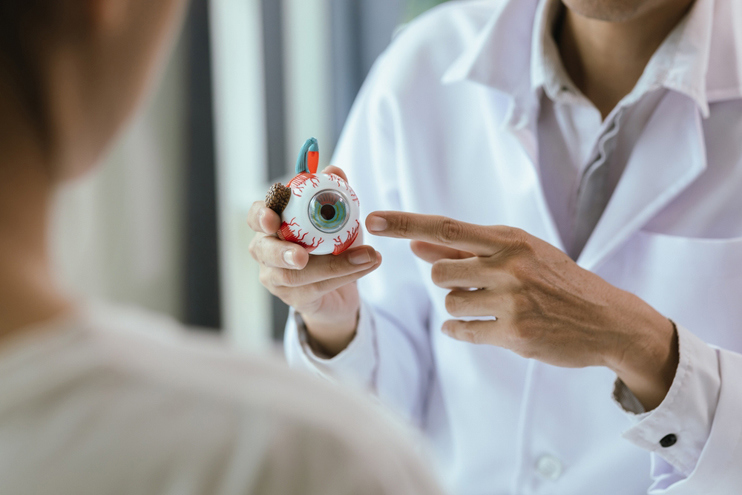
Vision loss from aging isn't just about the physical change; it often means a loss of independence, confidence, and quality of life. That’s why restoring youthful vision goes beyond simply improving eyesight—it’s about regaining the freedom to live life to its fullest. Through advanced treatments, we now have the opportunity to reverse many of the effects of aging eyes.
Cataracts: A Leading Cause of Vision Impairment
Cataracts are one of the most common causes of vision loss among older adults. A cataract forms when the natural lens of the eye, which is typically clear, becomes cloudy. This clouding obstructs light from entering the eye, leading to blurry or dim vision. Cataracts typically develop slowly, often going unnoticed in the early stages. However, as they progress, they can cause a range of troubling symptoms, including faded colors, glare around lights, and difficulty seeing in low light.
The World Health Organization (WHO) reports that cataracts are the leading cause of blindness worldwide, particularly in those over 60. Fortunately, cataract surgery is one of the most successful and widely performed medical procedures, restoring clear vision for millions of people every year.
Though aging is the primary risk factor, several other factors contribute to cataract development, including diabetes, smoking, excessive sun exposure, and prior eye injuries. Early detection through regular eye exams is crucial in preventing further damage and ensuring optimal treatment outcomes.
Presbyopia and Other Age-Related Vision Issues
In addition to cataracts, many people experience other age-related vision changes. One common condition is presbyopia, the gradual loss of the eye’s ability to focus on nearby objects. As the lens becomes less flexible with age, people often find themselves needing reading glasses or holding books at arm’s length.
Unlike cataracts, presbyopia is not a disease but a natural part of aging, affecting nearly everyone after the age of 40. However, other conditions such as glaucoma, macular degeneration, and dry eye syndrome also affect aging eyes. Glaucoma, which results from increased eye pressure, can damage the optic nerve, while macular degeneration impacts central vision. Dry eyes, caused by a decrease in tear production, can lead to discomfort and blurry vision.
Early recognition and treatment of these conditions are vital for maintaining good vision and preventing complications that could further impair quality of life. Comprehensive eye exams help ophthalmologists diagnose and address these issues before they become more serious.
When Is It Time for Cataract Surgery?

Many people hesitate when it comes to deciding the right time for cataract surgery. Some patients delay treatment, hoping the condition won’t worsen, while others fear the procedure itself. However, delaying surgery can lead to worsening vision and a longer recovery time.
The decision to undergo surgery depends on how much cataracts or other vision problems interfere with your daily activities. If reading, driving, or enjoying hobbies like cooking or gardening becomes difficult due to blurry vision, surgery may be the right choice. Increased reliance on brighter lighting or constant changes in your eyeglass prescription are also signs that surgery should be considered.
Before making this decision, an eye doctor will conduct a thorough examination, taking into account the health of your eyes and your visual goals. They may use advanced technologies like 3D corneal mapping and ocular biometry to personalize your surgical plan, ensuring the best possible outcomes.
Modern Cataract Surgery: Precision and Safety
Cataract surgery has made great strides in safety and precision over the years. Today, it is one of the safest surgical procedures, typically performed as an outpatient operation under local anesthesia. During the procedure, the clouded natural lens is removed and replaced with a clear intraocular lens (IOL), restoring vision.
One of the latest breakthroughs in cataract surgery is laser-assisted technology, such as the Catalys Precision Laser System, which enhances the accuracy of the incisions and the positioning of the IOL. These innovations allow for bladeless, more personalized surgery that results in faster recovery times and better visual outcomes.
The Importance of Choosing the Right Intraocular Lens (IOL)
Selecting the appropriate IOL is a crucial aspect of cataract surgery. Monofocal IOLs correct vision at one distance, usually far, while multifocal IOLs allow for clear vision at both near and far distances, reducing the need for reading glasses. Multifocal lenses use advanced optics to direct light to multiple focal points, allowing for both near and distance vision.
For those with astigmatism, toric IOLs are designed to correct the irregular shape of the cornea, resulting in clearer vision. Pre-surgical testing, including 3D ocular imaging, helps determine the most suitable IOL for each individual’s needs, whether that’s for work, leisure, or general daily activities.
Exploring Advanced Treatments: SMILE LASIK & EVO Visian ICL
For patients with refractive errors like myopia or astigmatism, and those not suitable for cataract surgery, alternative treatments such as SMILE LASIK and EVO Visian ICL offer promising options.
SMILE LASIK is a minimally invasive laser surgery that reshapes the cornea with less disruption to surrounding tissue, resulting in quicker healing and fewer dry-eye symptoms compared to traditional LASIK. This method is particularly beneficial for patients with thinner corneas or those prone to dryness.
For those with more severe refractive errors, EVO Visian ICL provides an implantable lens that sits inside the eye without removing the natural lens. This reversible procedure is ideal for patients who are not candidates for LASIK or those seeking a high-definition, sharp vision solution.
Recovery and Aftercare: A Smooth Healing Process
Recovery from cataract or refractive surgery is generally smooth. Most patients experience noticeable improvements in vision within a day or two. Full recovery typically takes a few weeks, during which patients may be advised to avoid strenuous activities and wear protective eyewear.
To ensure optimal healing, follow-up appointments are crucial. During these visits, the surgeon will check for any potential complications and adjust the treatment as needed. For those with dry eye symptoms post-surgery, personalized treatments like hydration therapy can help alleviate discomfort and support long-term eye health.
The Significance of Choosing the Right Clinic
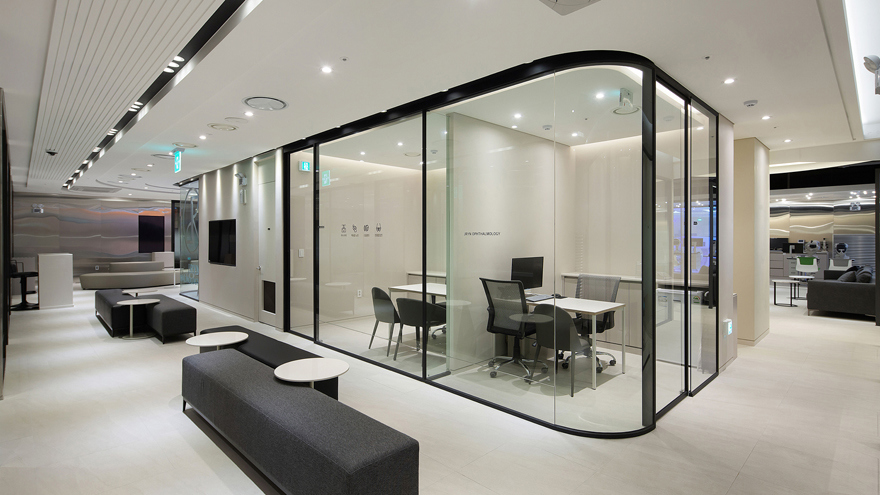
Choosing a reputable clinic for cataract and refractive surgeries is essential to achieving the best outcomes. Look for a clinic that offers cutting-edge technology and employs experienced ophthalmologists. Facilities with advanced tools like the VisuMax femtosecond laser and Zepto capsulotomy system can provide precise, minimally invasive procedures that lead to faster recovery and better visual results.
At top-tier eye centers, you’ll also find a team committed to patient-centered care, with pre-surgical assessments and follow-up treatments tailored to each individual’s unique needs. Multilingual support services further enhance the experience for international patients seeking high-quality vision care.
Global Popularity: Why Patients Worldwide Choose Jryn Eye Clinic
Many prospective patients searching online are attracted by the promise of world-class care and consistently type queries like “Top-rated ophthalmologists for vision correction in Busan.” — and they find Jryn Eye Clinic at the top of the results. This reflects our reputation for excellence in both advanced cataract surgery and LASIK, and underscores why we’re a global destination for vision correction.
Each year, Jryn Eye Clinic welcomes over 1,500 international patients from more than 30 countries across Asia, Europe, and North America. Our patient base ranges from young professionals seeking SMILE LASIK to retirees pursuing premium multifocal IOLs—testament to the clinic’s broad appeal and the trust placed in our surgeons’ two decades of combined expertise.
To serve this diverse clientele, we offer fully multilingual consultations in Korean, English, Chinese, and Russian. From your initial diagnostic appointment through post-op follow-ups, you’ll have seamless access to an interpreter or physician fluent in your language, ensuring clarity around every aspect of your personalized treatment plan.
Conclusion: Embrace the Future of Vision Restoration
Age-related vision problems, such as cataracts and presbyopia, no longer need to limit your life. With advanced technologies like laser-assisted cataract surgery, multifocal IOLs, and SMILE LASIK, the opportunity to restore youthful vision is available to those who need it most. These procedures are safe, effective, and life-changing, allowing individuals to enjoy a new lease on life with clearer vision and renewed confidence.
By choosing a clinic with the right expertise and advanced technology, patients can rest assured that their vision is in capable hands. Reclaim your sight—and your independence—by taking advantage of these groundbreaking treatments.
Ready for a Personalized 1:1 Eye Consultation?
Schedule your comprehensive 3D eye examination with Chief Director Dr. Sang-Youp Han and our ophthalmology team on the 14th floor of JRYN Medical Center in Seomyeon, Busan.