Jryn Eye Clinic Busan (Seomyeon) · SMILE LASIK · EVO+ Visian ICL · Cataract & Retina Center · Tel: +82-51-710-1004
en-US

1:1 Consultation
CLINICAL ARTICLE & GUIDE
Restore Clear Vision with Presbyopia LASIK | No More Reading Glasses
Say goodbye to reading glasses with Presbyopia LASIK. Learn how this advanced laser treatment restores near and far vision with minimal downtime.

Understanding Presbyopia: Why Near Vision Changes with Age
As we get older, many of us start to notice that our near vision isn’t as sharp as it used to be. If you’re over 40 and constantly reaching for your reading glasses, you may be dealing with presbyopia. This condition occurs when the lens inside the eye loses flexibility, making it difficult to focus on nearby objects. Simple tasks like reading a book, looking at your phone, or working on a computer become frustrating and inconvenient.

While reading glasses may seem like a quick fix, they come with their own set of challenges—misplacing them, dealing with discomfort, or simply feeling frustrated that your eyes aren't as sharp as they once were. For many, finding a permanent, hassle-free solution becomes a top priority. That’s where Presbyopia LASIK comes in.
What is Presbyopia LASIK?
Presbyopia LASIK (also known as PresbyLASIK) is a laser vision correction procedure specifically designed to treat presbyopia, a natural age-related condition affecting your ability to see up close. Unlike traditional LASIK, which corrects nearsightedness or farsightedness, Presbyopia LASIK targets the specific needs of people over 40 who are struggling with blurred near vision.
The procedure reshapes the cornea to create a multifocal surface that allows the eye to focus on both near and distant objects. Depending on your vision needs and lifestyle, techniques such as monovision LASIK or blended vision LASIK may be used. With monovision, one eye is corrected for near vision and the other for distance, providing clear vision at all ranges. The process is quick, typically taking less than 20 minutes, and is performed on an outpatient basis.
How Presbyopia LASIK Works: The Procedure Explained
The journey to better vision begins with a thorough pre-surgical evaluation. During this evaluation, your eye specialist will use advanced diagnostic tools like 3D imaging and wavefront analysis to ensure that Presbyopia LASIK is the right choice for you.
On the day of surgery, the procedure starts with the application of numbing eye drops to ensure you feel no pain. A femtosecond laser is used to create a thin flap on the cornea, which is then lifted. A second laser reshapes the cornea’s tissue, correcting your near and far vision. For techniques like blended vision LASIK, the reshaping pattern is customized to create multiple focal points across the cornea. This innovative approach improves both near and distance vision.
The entire process is virtually painless, and most patients experience only mild discomfort during recovery. Many people return to normal activities within 24 to 48 hours.
Who is an Ideal Candidate for Presbyopia LASIK?
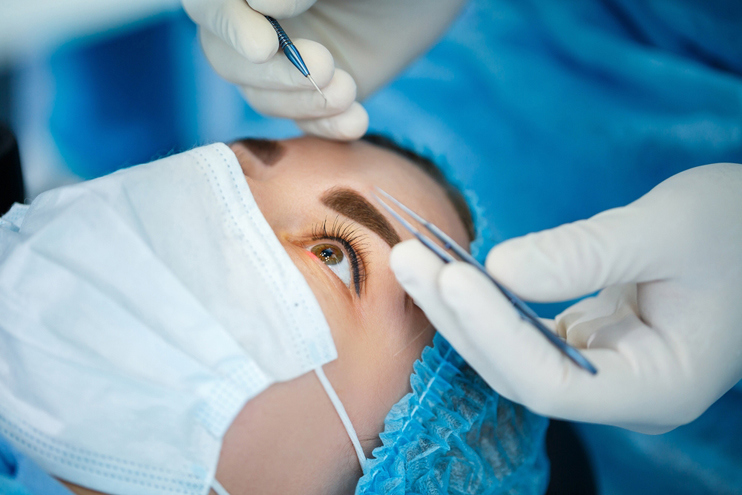
While Presbyopia LASIK offers excellent benefits, it’s not suitable for everyone. The ideal candidate is typically between 40 and 65 years old, in good general health, and free from severe eye conditions such as cataracts, dry eye, or corneal diseases.
During your consultation, your ophthalmologist will assess your eyes using advanced diagnostic tools and discuss your lifestyle needs. For example, patients considering monovision LASIK should be prepared for an adjustment period, as the brain must adapt to using each eye for different purposes.
Comparing Presbyopia LASIK with Other Options
When presbyopia sets in, many people turn to reading glasses or multifocal contact lenses to restore clear vision. While effective, these solutions are temporary and often come with the inconvenience of needing constant adjustment. Presbyopia LASIK, however, offers a permanent solution by reshaping the cornea to restore both near and distant vision, reducing dependency on external aids like glasses or contacts.
Another option is the implantation of multifocal intraocular lenses (IOLs), commonly used in cataract surgery. While this is a more invasive procedure, it can provide significant vision improvement. However, Presbyopia LASIK typically requires a shorter recovery time and has a lower risk of complications.
In terms of long-term costs, many patients find that Presbyopia LASIK is more economical over time compared to continuously replacing reading glasses or contact lenses.
What to Expect Before, During, and After Surgery
Before surgery, your ophthalmologist will conduct a comprehensive eye exam. This will include measuring the shape of your cornea, the thickness of your eye tissue, and evaluating your tear film to ensure your eyes are healthy enough for surgery. Using these measurements, your surgeon will create a customized treatment plan that aligns with your visual goals.
On surgery day, numbing eye drops ensure the process is painless. The procedure itself typically lasts less than 20 minutes, and most patients experience only mild discomfort afterward, such as dryness or temporary glare. Recovery is quick, and many people resume normal activities within a day or two.
Potential Risks and Side Effects of Presbyopia LASIK
As with any surgical procedure, Presbyopia LASIK carries some risks. The most common side effects include dry eyes, light sensitivity, glare, and temporary blurry vision. These issues usually subside within a few days to weeks as the eyes heal. More severe complications, such as infection or vision loss, are extremely rare, particularly when performed by experienced surgeons using modern technology.
Technological Advancements in Presbyopia LASIK
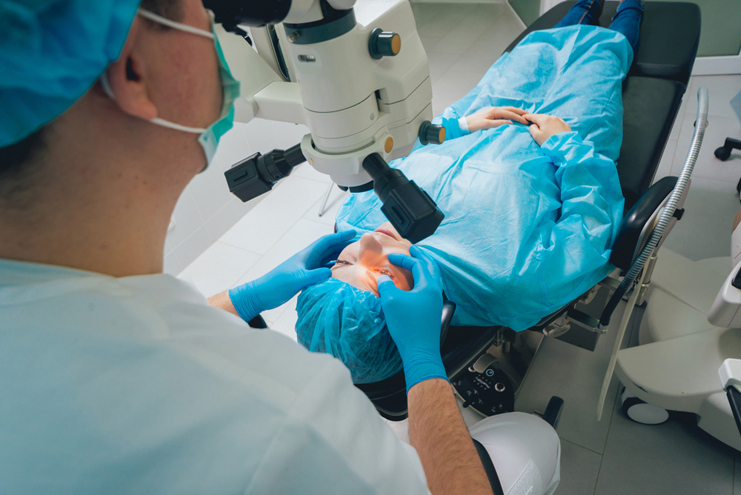
Recent advancements in ophthalmic technology have made Presbyopia LASIK more precise and effective than ever before. The use of femtosecond lasers, 3D corneal mapping, and wavefront-guided LASIK allows surgeons to create a highly customized treatment plan for each patient, ensuring better outcomes and faster recovery times.
The Zeiss MEL 90 and VisuMax femtosecond systems are examples of state-of-the-art technologies that provide exceptional precision in corneal reshaping. These advances have significantly reduced complications and improved the stability and longevity of results.
Global Popularity and Success Rates of Presbyopia LASIK
Presbyopia LASIK is gaining popularity worldwide, with many countries at the forefront of its implementation. Global success rates are high, with most clinical studies reporting satisfaction rates above 90%. Countries like South Korea, the United States, and Japan are recognized leaders in advanced laser eye surgery, and many international patients travel to these regions for Presbyopia LASIK.
South Korea, in particular, is a hub for medical tourism, with clinics like Jryn Eye Clinic offering world-class treatment and cutting-edge technology. The clinic’s international reputation and expertise in Presbyopia LASIK attract patients from across the globe.
Choosing the Right Clinic for Presbyopia LASIK
Choosing a reputable clinic is essential to achieving optimal results. When evaluating potential clinics, consider the following factors:
Experienced Surgeons: Look for board-certified ophthalmologists with extensive experience in LASIK and Presbyopia treatments.
Advanced Technology: Ensure the clinic uses modern tools like femtosecond lasers, 3D mapping, and wavefront-guided LASIK.
Patient Testimonials: Read reviews and patient stories to get a sense of the clinic’s success rate and patient care.
Comprehensive Care: A good clinic will provide extensive post-operative care to ensure your eyes heal properly and your results remain stable.
Conclusion: A Clearer Future with Presbyopia LASIK
Presbyopia LASIK offers a life-changing solution for those who want to reclaim their near vision and reduce their dependence on reading glasses. With advanced technology, high success rates, and minimal recovery times, it’s a lasting and effective alternative to glasses and contact lenses.
If you’re ready to experience clearer vision and greater convenience, schedule a consultation with a trusted clinic like Jryn Eye Clinic. Their team of world-class surgeons, cutting-edge diagnostic tools, and personalized care will ensure you get the best possible outcome from your Presbyopia LASIK treatment.
Ready for a Personalized 1:1 Eye Consultation?
Schedule your comprehensive 3D eye examination with Chief Director Dr. Sang-Youp Han and our ophthalmology team on the 14th floor of JRYN Medical Center in Seomyeon, Busan.