Jryn Eye Clinic Busan (Seomyeon) · SMILE LASIK · EVO+ Visian ICL · Cataract & Retina Center · Tel: +82-51-710-1004
en-US

1:1 Consultation
CLINICAL ARTICLE & GUIDE
Redness After LASIK: Normal or Not?
Experiencing redness after LASIK? Learn what’s normal, when to seek help, and how to care for your eyes post-surgery. Discover expert tips now!

Introduction

LASIK is often described as a life-changing procedure—quick, precise, and followed by rapid visual improvement. Many patients are surprised by how smoothly the surgery itself goes. What catches them off guard usually comes later, when they look in the mirror during recovery and notice their eyes are red.
For some, the redness is mild and fleeting. For others, it lingers just long enough to cause concern. Patients frequently ask whether this is part of normal healing or a sign that something is wrong.
At Jryn Eye Clinic in Busan, redness after LASIK is one of the most common postoperative questions we encounter. The concern is understandable. The eyes are sensitive, highly visible, and deeply connected to how we perceive our own health.
This article explains why redness can appear after LASIK, what normal healing looks like, and when redness should be evaluated by a specialist. Rather than offering generic reassurance, the goal is to provide clear, experience-based guidance that helps patients understand their recovery with confidence.
Why Redness Occurs After LASIK
LASIK is often described as minimally invasive, but it is still a surgical procedure performed on one of the most sensitive tissues in the body.
During LASIK:
A corneal flap is created
Laser energy reshapes the cornea
The flap is repositioned and begins healing immediately
Even when surgery is technically perfect, the eye responds with temporary inflammation. Blood vessels in the conjunctiva dilate, immune cells activate, and tear production may fluctuate. Redness is part of this biological response.
One misconception we often see is the belief that a “successful” surgery should leave the eye looking completely normal the next day. In reality, healing is not invisible. The eye, like any living tissue, shows signs of recovery.
What Normal Post-LASIK Redness Looks Like
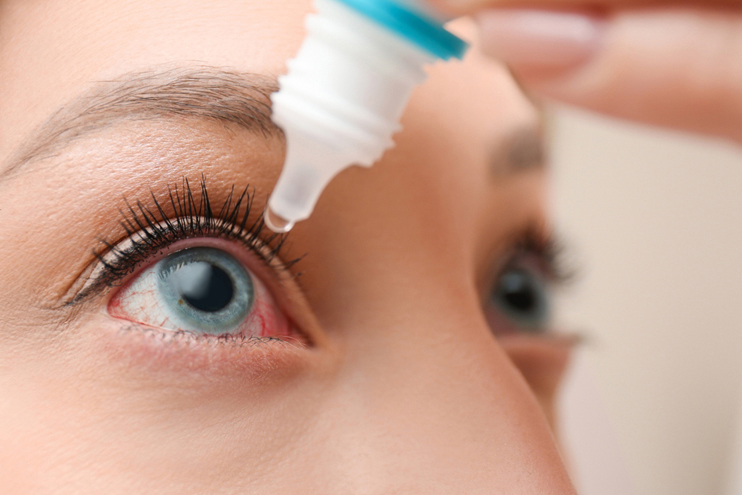
In uncomplicated LASIK recovery, redness typically has several consistent characteristics.
Mild to Moderate in Intensity
The eye may appear pink or slightly bloodshot rather than deeply red. The redness is usually superficial, affecting the white part of the eye.
Appears Early
Redness is most noticeable within the first 24 to 72 hours after surgery.
Gradually Improves
Each day should look slightly better than the last. The improvement may be subtle, but the overall trend should be positive.
Minimal Pain
Scratchiness, dryness, or a foreign body sensation is common. Significant pain is not.
Vision Continues to Stabilize
Fluctuating clarity is normal early on, but vision should not progressively worsen.
When these features are present, redness is generally part of a normal healing process.
Common Causes of Normal Redness After LASIK
Postoperative Dry Eye
Dry eye is the most common cause of prolonged redness after LASIK, especially in Korea, where:
Screen use is high
Contact lens wear is common
Air conditioning and heating are frequently used
LASIK temporarily affects corneal nerves responsible for tear signaling. As a result, tear production and quality may decrease, leading to irritation and redness even when the eye does not feel overtly dry.
This is why preoperative dry eye evaluation is critical. At Jryn Eye Clinic, dry eye is treated before LASIK whenever possible—not after symptoms appear.
Subconjunctival Hemorrhage
Some patients notice a bright red patch on the white of the eye after LASIK. This is called a subconjunctival hemorrhage.
It occurs when a small surface blood vessel breaks during suction or pressure changes during surgery.
Although it looks dramatic:
It is painless
It does not affect vision
It resolves on its own within one to two weeks
This type of redness is cosmetic, not dangerous.
Normal Surgical Inflammation
Inflammation is the body’s healing response. Even advanced laser systems and gentle surgical techniques cannot eliminate it entirely.
This is why postoperative medications are prescribed:
Antibiotic drops to prevent infection
Steroid drops to control inflammation
Lubricating drops to stabilize the tear film
Improper use of these medications—especially stopping steroid drops too early—can prolong redness unnecessarily.
How Long Should Redness Last?
While every patient heals differently, typical recovery follows a general pattern.
Days 1–3: Redness and irritation are most noticeable
Days 4–7: Redness steadily decreases
By 2 weeks: Most eyes return to a clear white appearance
Patients with pre-existing dry eye, autoimmune conditions, or heavy digital device use may experience redness for a longer period. In these cases, extended lubrication and close monitoring are often needed.
Persistent redness beyond two weeks should be evaluated, even if other symptoms seem mild.
When Redness Is Not Normal
Redness becomes concerning when it is accompanied by other warning signs.
Increasing Pain
Discomfort should improve over time. Worsening pain is abnormal.
Sudden Vision Decline
Blurriness that does not improve with blinking or rest requires immediate evaluation.
Severe Light Sensitivity
Mild glare is expected. Sharp or painful light sensitivity is not.
Discharge
Yellow, green, or thick discharge may indicate infection.
Redness That Worsens After Initial Improvement
Healing should progress forward, not backward.
At Jryn Eye Clinic, we encourage patients to contact us even if they are unsure. Early evaluation is always safer than delayed treatment.
Less Common but Serious Causes
Although rare, certain complications can present with redness.
Post-LASIK Infection
Infectious keratitis typically occurs within the first week after surgery and presents with:
Significant pain
Rapid vision changes
Increasing redness
Strict sterile protocols make this uncommon, but prompt treatment is critical.
Diffuse Lamellar Keratitis (DLK)
Also known as “Sands of the Sahara,” DLK is an inflammatory reaction under the corneal flap.
Symptoms may include:
Blurry or hazy vision
Mild redness
Minimal pain
Early detection during scheduled follow-ups allows effective treatment with anti-inflammatory drops.
What Patients Can Do to Support Healing
Use Artificial Tears Consistently
Preservative-free lubrication should be used frequently, even if the eyes feel comfortable.
Dry eye does not always produce obvious symptoms.Reduce Visual Strain
Limiting screen time during the first few days helps stabilize the tear film and reduce inflammation.
Avoid Eye Rubbing
Rubbing can worsen redness, delay healing, and disturb the corneal flap.
Follow Medication Instructions Precisely
More drops are not better, and fewer drops are not safer. Timing and consistency matter.
Why Surgical Experience Matters in Interpreting Redness
Redness itself is not the problem. Correct interpretation is.
At an experienced clinic, surgeons can distinguish between:
Normal healing that looks concerning
Early warning signs that look subtle
Dr. Han Sang Yeop, with more than 20 years of ophthalmic surgical experience, emphasizes individualized recovery rather than rigid timelines. Some eyes heal quietly. Others heal visibly. Both can be normal.
What matters is recognizing when redness is part of healing—and when it is not.
Conclusion
Redness after LASIK is often a normal part of the healing process. In most cases, it reflects temporary inflammation, dry eye, or minor surface changes that resolve as the cornea stabilizes. When redness is mild, improving, and unaccompanied by significant pain or vision loss, it is usually a sign that the eye is healing—not failing.
That said, the eyes do not follow identical recovery timelines. Persistent, worsening, or painful redness should never be ignored. Early evaluation allows potential complications to be identified and treated before they affect long-term vision.
At Jryn Eye Clinic, postoperative care is approached with the same precision and attention as the surgery itself. Under the guidance of Dr. Han Sang Yeop, recovery is monitored individually, recognizing that safe outcomes depend not only on advanced technology, but on careful follow-up and clinical judgment.
If you have undergone LASIK and are uncertain about ongoing redness, or if you are considering vision correction and want personalized, evidence-based care, seek evaluation at a clinic that prioritizes long-term eye health as much as visual clarity.
Ready for a Personalized 1:1 Eye Consultation?
Schedule your comprehensive 3D eye examination with Chief Director Dr. Sang-Youp Han and our ophthalmology team on the 14th floor of JRYN Medical Center in Seomyeon, Busan.