Jryn Eye Clinic Busan (Seomyeon) · SMILE LASIK · EVO+ Visian ICL · Cataract & Retina Center · Tel: +82-51-710-1004
en-US

1:1 Consultation
CLINICAL ARTICLE & GUIDE
Recognizing Early Signs of Presbyopia and Treatment Options
Struggling with near vision? Learn about the signs of presbyopia and explore treatment options that can restore clarity and comfort to your daily life.

Introduction: Is Your Vision Changing?
If you’ve recently found yourself holding your phone farther away or squinting at the small print in your favorite book, you might be experiencing early signs of presbyopia. This common, age-related condition affects your near vision, making close-up tasks like reading, using a smartphone, or working on a computer more difficult.

While many people assume these changes are just part of aging or temporary eye fatigue, recognizing the signs of presbyopia early can help you prevent further discomfort. Addressing the issue sooner rather than later can improve your quality of life and maintain your ability to enjoy everyday activities.
What Exactly Is Presbyopia?
Presbyopia is a condition that typically begins in your 40s and affects nearly everyone as they age. It happens because the lens in your eye, which helps you focus on objects up close, becomes less flexible over time. When we’re younger, the lens easily changes shape to help us focus on nearby objects. But as we age, the lens stiffens, making it harder to focus on things up close, like books or smartphones.
While presbyopia is a natural part of aging, it can significantly impact your daily life, especially when it comes to reading, working on a computer, or doing tasks that require precision. Unlike farsightedness (which affects vision at all distances), presbyopia only affects your ability to focus on near objects.
Early Warning Signs: How to Spot Presbyopia
Presbyopia develops gradually, so the early symptoms may seem minor at first. Here’s what to look out for:
Blurred vision for close-up tasks: You might find yourself squinting or struggling to read small print in books, newspapers, or on your smartphone screen.
Eye strain and headaches: After reading or doing close work for a while, you might notice your eyes feel tired, sore, or you develop a headache.
Holding objects farther away: If you begin holding reading material or your phone at arm’s length to make the text clearer, it could be a sign of presbyopia.
Needing more light to see: Tasks that once seemed fine in normal lighting may require brighter lighting to read comfortably.
These subtle symptoms can be easy to overlook, but noticing them early and seeking help can prevent the discomfort from getting worse.
Why Does Presbyopia Happen?
Presbyopia is a natural result of aging. As we grow older, the lens inside the eye gradually becomes thicker and less flexible. The muscles around the lens also weaken over time, making it harder to focus on nearby objects. While this process begins in your 40s, its severity can vary depending on genetics, overall health, and lifestyle factors.

Initially, presbyopia may be manageable by adjusting the lighting or holding reading material at a greater distance. But as time goes on, the condition can worsen, making it harder to focus on close-up tasks. Understanding why presbyopia happens can help you manage its symptoms and plan for the appropriate treatment.
The Real Impact of Presbyopia on Your Life
Presbyopia affects more than just your ability to read small print—it can make everyday tasks frustrating and tiresome. Whether it’s texting, working on your computer, or even applying makeup, tasks that require near vision become challenging.
For many, the strain from presbyopia can lead to headaches, eye fatigue, and even a reluctance to engage in activities they once enjoyed. The emotional toll is also significant—many people feel frustrated, anxious about their vision worsening, or self-conscious about needing glasses. However, the good news is that effective treatments can alleviate these problems and restore your ability to enjoy a wide range of activities.
What to Expect During a Presbyopia Diagnosis
If you’re noticing signs of presbyopia, it’s important to visit an eye clinic for a comprehensive eye exam. During the exam, an eye care professional will assess both your near and distance vision, checking how your eyes focus at different distances.
Advanced diagnostic equipment may also be used to examine the health of your eyes and rule out other conditions, such as farsightedness or cataracts. A thorough diagnosis will help determine the best treatment plan for your unique needs.
Non-Surgical Treatment Options: Simple Solutions for Presbyopia
Many people manage presbyopia with non-surgical treatments that are both effective and easy to incorporate into daily life:
Reading Glasses: Single-vision reading glasses, bifocals, or multifocal lenses can help restore near vision.
Contact Lenses: Specially designed contact lenses like multifocal or monovision lenses can provide an alternative to glasses.
Lifestyle Adjustments: Simple changes like using brighter lighting and taking regular breaks during close work can help reduce eye strain and improve comfort.
While these treatments may not cure presbyopia, they can provide much-needed relief from the symptoms and help maintain quality of life.
Advanced Surgical Treatments for Presbyopia
For those who prefer a more permanent solution, several advanced surgical treatments are available:
SMILE and LASIK: These procedures reshape the cornea to improve near vision, reducing the need for glasses or contacts.
EVO Visian ICL: This surgical option involves implanting a corrective lens inside the eye, providing a long-term solution without the need for corneal tissue removal.
Each surgical option has its own benefits and risks, so it’s important to discuss these treatments with your ophthalmologist to determine the best course of action.
Choosing the Right Clinic for Your Treatment
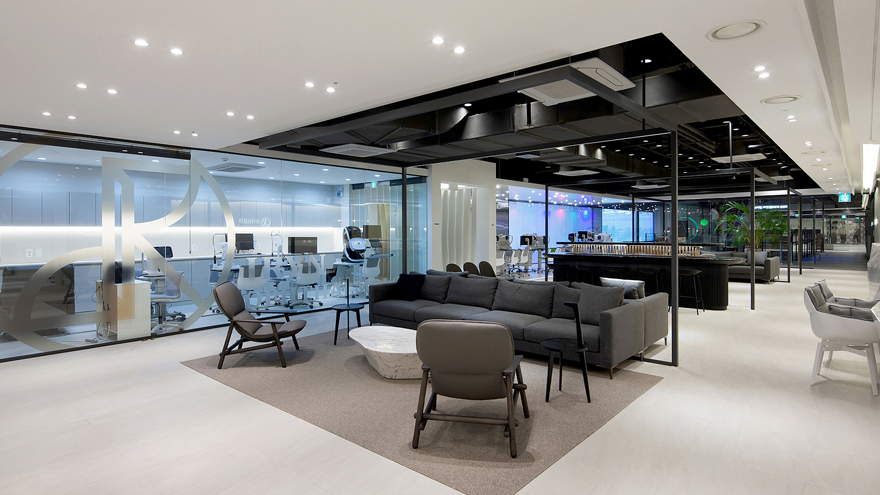
Selecting the right clinic is essential for ensuring safe and effective treatment. Jryn Eye Clinic in Busan, South Korea, has decades of experience in treating presbyopia with the latest techniques and technologies. With advanced treatments like SMILE and EVO Visian ICL, the clinic provides personalized care to help patients achieve clearer near vision.
Dr. Han Sang Yeop and Dr. Heo Joong Gu, both highly skilled ophthalmologists, use cutting-edge equipment such as the VisuMax femtosecond laser to ensure precision and safety in every procedure. Their expertise, combined with a patient-centered approach, ensures the highest standards of care.
Tips for Managing Presbyopia at Home
Although presbyopia is inevitable with age, there are a few simple strategies you can implement to minimize symptoms:
Rest your eyes: Follow the 20-20-20 rule—every 20 minutes, take a 20-second break and look at something 20 feet away.
Ensure adequate lighting: Make sure your reading or work area is well-lit to reduce eye strain.
Practice healthy habits: A diet rich in vitamins A, C, and E supports eye health and may help slow presbyopia’s progression.
Conclusion: Take Control of Your Vision Today
If you’re struggling with near vision or noticing other signs of presbyopia, don’t wait to get professional help. Early treatment can significantly improve your vision and overall quality of life. With options like corrective glasses, contact lenses, or advanced surgeries, clearer vision is within your reach.
For personalized care and expert treatment, Jryn Eye Clinic is here to help you achieve the best possible results. Take the first step toward better vision today.
Ready for a Personalized 1:1 Eye Consultation?
Schedule your comprehensive 3D eye examination with Chief Director Dr. Sang-Youp Han and our ophthalmology team on the 14th floor of JRYN Medical Center in Seomyeon, Busan.