Jryn Eye Clinic Busan (Seomyeon) · SMILE LASIK · EVO+ Visian ICL · Cataract & Retina Center · Tel: +82-51-710-1004
en-US

1:1 Consultation
CLINICAL ARTICLE & GUIDE
Ptosis Repair vs. Double Eyelid Surgery: Key Differences
Ptosis repair vs double eyelid surgery: functional vs cosmetic eyelid procedures, when they overlap, and how the right one is decided.
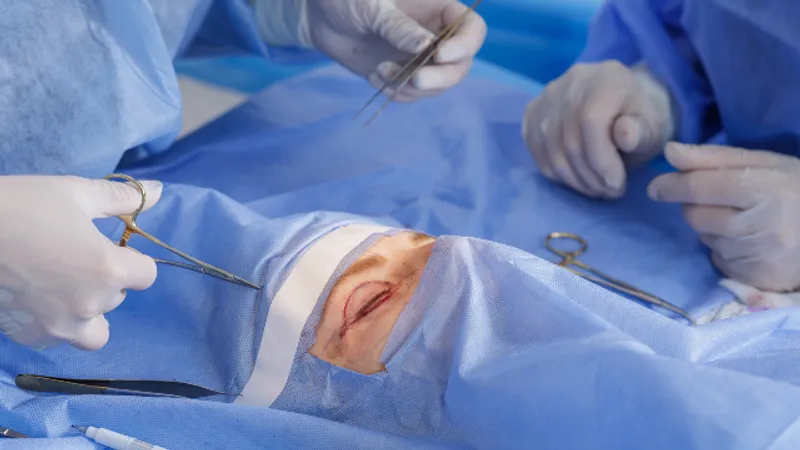
Ptosis Repair vs. Cosmetic Double Eyelid Surgery: Understanding the Difference
Medically reviewed by Dr. Joong Gu Heo, MD, Chief Director, Jryn Eye Clinic · Last updated July 2026
The question of ptosis repair vs double eyelid surgery causes a surprising amount of confusion, and for good reason: both procedures involve the upper eyelid, both can change how your eyes look, and in some cases they are performed together. Yet they address fundamentally different things. One is primarily about function, how well your eyelid does its job of opening and protecting the eye, and the other is primarily about appearance, the presence or shape of an upper-eyelid crease. This guide, reviewed by an oculoplastic surgeon at Jryn Eye Clinic in Busan, South Korea, explains the difference so you can tell which conversation you should be having.
A note on scope. This article explains terminology and how the two procedures relate. It does not quote prices, does not promise a specific look or outcome, and does not determine what your case needs, that requires an examination. General eyelid information is drawn from independent sources and cited at the end.
Start With the Words
Two terms sit at the center of the confusion:
- Ptosis (pronounced "TOH-sis") means a drooping upper eyelid. The American Academy of Ophthalmology describes ptosis as drooping of one or both upper eyelids that, when significant, can limit your field of vision. It is a condition, not a procedure.
- Double eyelid surgery refers to creating or defining an upper-eyelid crease (the fold above the lash line). It is a cosmetic procedure focused on appearance.
Ptosis repair is the surgery that addresses the drooping condition. So the cleanest way to frame it: ptosis repair treats a functional problem, while double eyelid surgery is a cosmetic procedure, and the two can, but do not always, overlap.
What Ptosis Repair Actually Does
Ptosis happens when the muscles responsible for lifting the eyelid are weak or the connections are stretched. Jryn Eye Clinic's materials describe ptosis as a drooping of the upper eyelid due to weakness of the lifting muscles, which may be present from birth (congenital) or develop later in life (acquired). When the droop is significant, it can reduce the field of vision and lead people to raise their eyebrows or tilt their head to see, which in turn can cause forehead strain and fatigue.
According to the clinic, ptosis correction surgery strengthens or repositions the eyelid-lifting muscles to improve both vision and appearance. The surgical approach is individualized based on eyelid muscle strength, the severity of the droop, eye movement, and the eye's protective function. Depending on that evaluation:
- Levator muscle resection or advancement may be used when the lifting muscle has moderate to good function.
- Frontalis suspension may be used when the lifting muscle has poor function.
The clinic's published process includes a comprehensive eye examination that evaluates eyelid position, levator muscle function, protective blinking, and eye movement, so the surgeon can match the technique to the underlying cause. This functional emphasis, assessing how the eyelid works, is what distinguishes ptosis repair from a purely cosmetic procedure.
What Double Eyelid Surgery Does
Double eyelid surgery is, at its core, about the crease. It creates or defines an upper-eyelid fold, changing the appearance of the eye. On its own, it is a cosmetic decision rather than a treatment for a functional problem.
This is where the overlap that confuses patients comes in. Jryn Eye Clinic's own materials note that when appropriate, ptosis correction can also create a natural-looking double eyelid. In other words, a single operation can sometimes address a drooping eyelid (functional) and produce or refine a crease (cosmetic) at the same time. That combination is exactly why the two ideas get tangled together, and why it matters to be clear about your own goals before surgery.
Functional, Cosmetic, or Both?Because the procedures can overlap, it helps to think in three categories:
- Functional only: Your eyelid droops enough to affect vision or cause strain, and your goal is to correct that. This is ptosis repair territory.
- Cosmetic only: Your eyelid opens normally, but you want a defined or different crease. This is double eyelid surgery territory.
- Both: You have a drooping eyelid affecting function and you would like a natural crease created in the same operation, which the clinic notes is possible when appropriate.
Knowing which category you fall into is the single most useful thing you can do before a consultation, because it changes the entire conversation about goals, technique, and what "success" looks like for you.
How the Two Compare
| Aspect | Ptosis repair | Double eyelid surgery |
|---|---|---|
| Primary purpose | Functional: correct a drooping eyelid | Cosmetic: create or define an eyelid crease |
| Underlying issue | Weak or stretched eyelid-lifting muscle | Absent or undefined upper-eyelid fold |
| Core surgical action | Strengthen or reposition the lifting muscle | Form or refine the crease |
| Can affect appearance? | Yes, and can create a crease when appropriate | Yes, appearance is the main goal |
| Can affect vision? | Yes, that is often the point | Not the primary aim |
This comparison is a guide to the conversation, not a diagnosis. Which procedure, or combination, fits you depends on your eyelid anatomy, muscle function, and goals.
What the Evaluation and Recovery Involve
Whichever direction your case points, the assessment is the anchor. Jryn Eye Clinic describes a comprehensive eye and eyelid examination to evaluate eyelid position, levator muscle function, protective blinking, eye movement, and overall eye health, after which the surgeon recommends the most appropriate technique. Its published procedure notes local anesthesia with mild sedation in most cases (general anesthesia for children or selected patients), an incision along the natural eyelid crease, tightening or repositioning of the levator muscle, and, if desired, creation of a natural double eyelid fold, with fine sutures to close.
On recovery, the clinic's published timeline is:
- Days 1 to 4: Swelling and bruising are most noticeable; cold compresses are recommended for the first few days.
- About 1 week: Sutures may be removed and light eye makeup can usually resume.
- About 3 weeks: Contact lenses can typically be worn again.
- 1 to 3 months: The eyelids continue to settle and the final contour gradually develops.
The clinic also lists realistic risks, including swelling and bruising, temporary dry eyes, mild asymmetry, infection or bleeding, under- or over-correction that may require revision, and temporary difficulty fully closing the eyes during healing. Honest awareness of these is part of an informed decision.
For independent background, the American Academy of Ophthalmology's resources on ptosis and on eyelid surgery (blepharoplasty) are useful primers on how these conditions and procedures are generally evaluated.
Getting a Clear Answer for Your Case
Because ptosis repair and double eyelid surgery can be separate, combined, or easily confused, the most reliable next step is an in-person evaluation. International patients can begin through Jryn Eye Clinic's online consultation and inquiry system, with English-speaking coordinator support, and bring their goals into the conversation so the surgeon can determine whether the case is functional, cosmetic, or both.
Why the Distinction Changes Your Preparation
Getting clear on whether your case is functional, cosmetic, or both does more than settle terminology; it shapes how you prepare and what you discuss. A few practical implications follow directly from the difference:
- Your goals frame the consultation. If your main concern is vision obstructed by a drooping lid, say so plainly, so the surgeon assesses eyelid-lifting muscle function carefully. If your interest is the crease, describe the appearance you have in mind. If it is both, make that explicit, since Jryn Eye Clinic notes ptosis correction can create a natural fold in the same operation when appropriate.
- Expectations should match the aim. A functional repair is judged largely by how well the eyelid opens and protects the eye; a cosmetic result is judged by appearance and symmetry. Realistic expectations, and awareness of listed risks such as mild asymmetry or the possible need for revision, are part of an informed choice.
- Preparation is largely shared. Regardless of category, the clinic advises against wearing makeup, sunscreen, or BB cream and against wearing contact lenses on the day of surgery, and suggests bringing sunglasses or a hat for comfort afterward. Following the surgeon's medication instructions is also part of getting ready.
Because the same operation can serve different purposes, the most valuable preparation you can do is to arrive with a clear sense of what you want to change, functional, cosmetic, or both, and let the examination confirm what is achievable. You can start that conversation with Jryn Eye Clinic through its online consultation and inquiry process, which is supported by an English-speaking coordinator for international patients.
The Bottom Line
- Ptosis is a condition (a drooping eyelid); ptosis repair is the functional surgery that treats it. Double eyelid surgery is a cosmetic procedure focused on the eyelid crease.
- They can overlap. Jryn Eye Clinic notes that ptosis correction can also create a natural double eyelid fold when appropriate, which is why the terms get confused.
- Know your category, functional, cosmetic, or both, before you consult; it shapes the entire discussion of goals and technique.
- Ptosis repair is individualized, using levator muscle resection or frontalis suspension depending on muscle function found at examination.
- An in-person evaluation is the only reliable way to determine what your eyes actually need and what results are realistic.
Frequently Asked Questions
**What is the difference between ptosis repair and double eyelid surgery?**Ptosis repair is a functional surgery that corrects a drooping upper eyelid by strengthening or repositioning the lifting muscle. Double eyelid surgery is a cosmetic procedure that creates or defines the upper-eyelid crease. One targets how the eyelid works; the other targets how it looks.
**Is ptosis surgery medically necessary?**It can be, when drooping significantly limits your field of vision or causes strain from constantly lifting the eyebrows. Whether a given case is functional depends on how much the eyelid affects vision and eye function, which is assessed during examination.
**Can I have both procedures at once?**Sometimes. Jryn Eye Clinic notes that ptosis correction can also create a natural-looking double eyelid fold when appropriate, meaning a single operation can address both function and appearance in suitable cases. The surgeon determines whether that is right for you.
**How do I know if my droopy eyelid is ptosis or just extra skin?**Only an examination can tell for certain. Drooping can come from weak lifting muscles (ptosis) or from excess upper-eyelid skin, and the two are managed differently, which is why an eyelid evaluation is essential before deciding on a procedure.
**What is recovery like after ptosis or eyelid surgery?**Per Jryn Eye Clinic, swelling and bruising are most noticeable in the first few days, sutures may be removed around one week, contact lenses can typically resume around three weeks, and the final contour develops over one to three months. Individual recovery varies.
**Who performs these procedures at Jryn Eye Clinic?**Oculoplastic (eyelid) surgery is among the services offered by the clinic's surgeons, and the approach is individualized based on a comprehensive eyelid and eye evaluation. You can begin with the clinic's online consultation and inquiry system.
This article is for general informational purposes and does not constitute individualized medical advice. Candidacy, technique, and expected outcomes can only be determined through a consultation with a qualified eye surgeon.
Ready for a Personalized 1:1 Eye Consultation?
Schedule your comprehensive 3D eye examination with Chief Director Dr. Sang-Youp Han and our ophthalmology team on the 14th floor of JRYN Medical Center in Seomyeon, Busan.