Jryn Eye Clinic Busan (Seomyeon) · SMILE LASIK · EVO+ Visian ICL · Cataract & Retina Center · Tel: +82-51-710-1004
en-US

1:1 Consultation
CLINICAL ARTICLE & GUIDE
Protecting Your Eyes: How Hypertension Affects the Retina
Learn how hypertension impacts the retina and discover ways to prevent or treat hypertensive retinopathy with expert care and lifestyle changes.
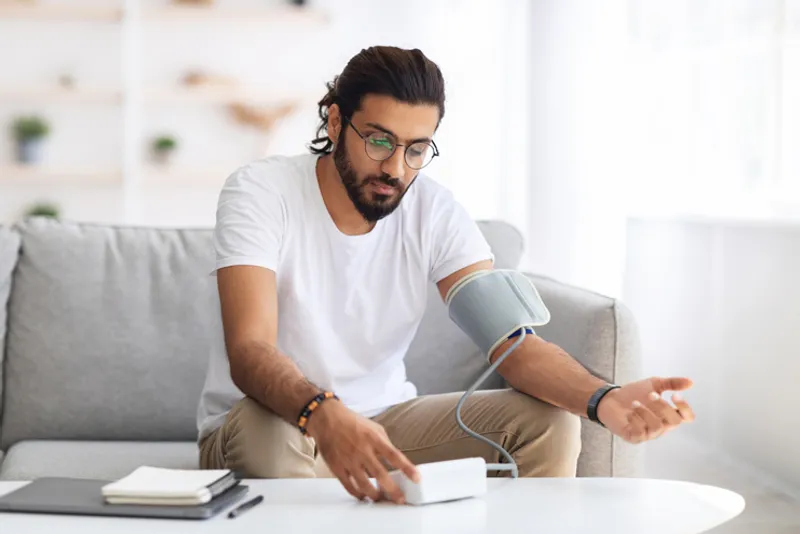
Understanding the Impact of Hypertension on Retinal Health
Hypertension, or high blood pressure, is a condition affecting millions of individuals globally. While many people associate hypertension with heart disease and kidney problems, few realize that it can also significantly impact the eyes, particularly the retina. The retina, which is responsible for converting light into visual signals, is highly sensitive to changes in blood pressure.
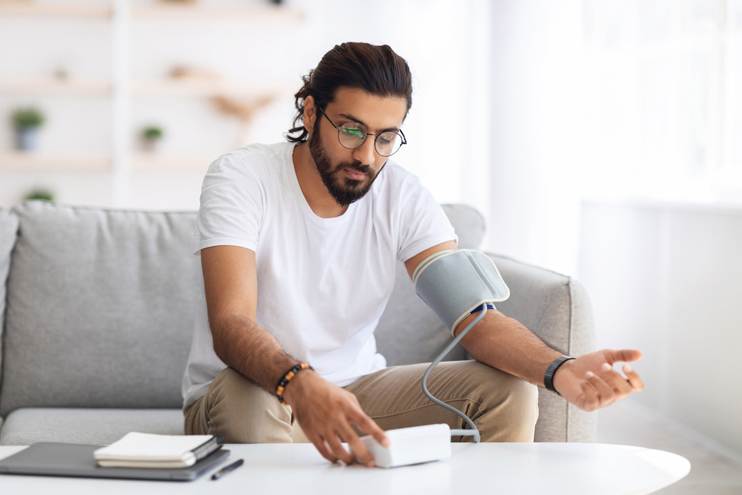
For people with high blood pressure, the blood vessels in the retina can become damaged, a condition known as hypertensive retinopathy. If not addressed, hypertensive retinopathy can cause vision disturbances and, in severe cases, permanent vision loss. This article will explore how hypertension affects retinal health, how to spot early signs of retinopathy, and the steps you can take to protect your eyes from damage.
What is Hypertensive Retinopathy?
Hypertensive retinopathy refers to damage to the retina's blood vessels caused by prolonged high blood pressure. The blood vessels in the retina are very delicate and, when exposed to elevated pressure over time, can become thickened, narrow, or leak fluid. This can lead to a range of vision problems, from mild visual disturbances to complete vision loss.
In the early stages, hypertensive retinopathy may cause little to no symptoms. Over time, however, the damage can progress, and patients may notice blurred vision, floaters (dark spots in the vision), or more severe symptoms. If left untreated, the condition can lead to significant complications, such as retinal hemorrhages or swelling, which can cause permanent vision impairment.
The Anatomy of the Retina and Why It’s Vulnerable
To understand the effects of hypertension on the retina, it's important to know the structure of the retina itself. The retina is a thin layer of tissue at the back of the eye that contains millions of photoreceptors. These cells convert light into electrical signals, which are then interpreted by the brain as vision.
The retina is dependent on a network of tiny blood vessels that supply oxygen and nutrients. These vessels are delicate and especially sensitive to changes in blood pressure. When blood pressure increases, these small vessels can become stiff, narrow, or even rupture, leading to further damage. Over time, this can result in vision loss if the blood flow to the retina is not restored.
How High Blood Pressure Affects the Retina
High blood pressure causes several problems for the retina. One of the first changes is the thickening and narrowing of the blood vessel walls, which reduces blood flow to the retina. As a result, parts of the retina can become oxygen-starved, a condition known as ischemia. If the retina does not receive enough oxygen, it can suffer irreversible damage.
In addition to this, high blood pressure increases the risk of small blood vessels bursting, which can lead to retinal hemorrhages. These bleeding spots may cause visual disturbances and, if left untreated, can cause permanent damage to vision. Hypertension also increases the risk of fluid leakage from blood vessels, resulting in retinal swelling (edema) that can distort vision.
Recognizing Early Symptoms of Hypertensive Retinopathy
Many individuals with hypertensive retinopathy do not notice any symptoms in the early stages of the condition. In fact, hypertensive retinopathy is often discovered during routine eye exams. However, if symptoms do appear, they may include:
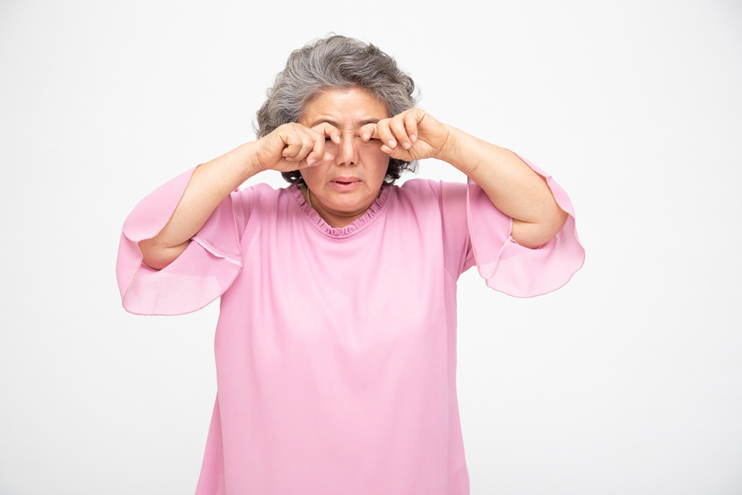
Blurred vision
Floaters (dark spots or cobweb-like shapes)
Difficulty focusing
Headaches or eye discomfort
Sudden vision loss (in more severe cases)
Since the condition may not cause obvious symptoms early on, it is crucial for individuals with hypertension to undergo regular eye exams. These exams can help detect retinal changes before they lead to permanent vision loss.
How is Hypertensive Retinopathy Diagnosed?
Diagnosing hypertensive retinopathy involves a thorough eye examination by an ophthalmologist or optometrist. The primary method used is fundoscopy, which allows the doctor to examine the retina using a special tool called an ophthalmoscope. Advanced imaging technologies, such as Optical Coherence Tomography (OCT) and fundus photography, can also help provide a more detailed view of the retina and assess any changes.
These diagnostic tools allow ophthalmologists to detect subtle changes in the retina and evaluate the extent of the damage. In some cases, patients may undergo additional tests to monitor the progression of the condition and determine the appropriate course of treatment.
Risks of Untreated Hypertensive Retinopathy
If left untreated, hypertensive retinopathy can cause significant damage to the retina, leading to partial or complete vision loss. In addition to the direct impact on vision, hypertensive retinopathy can also signal broader cardiovascular problems. Individuals with hypertensive retinopathy are at an increased risk for heart disease, stroke, and kidney damage.
In severe cases, untreated hypertensive retinopathy can lead to retinal detachment, a medical emergency that requires prompt treatment. Additionally, abnormal blood vessels may begin to grow in the retina, a condition known as neovascularization. These fragile blood vessels can bleed and lead to vision loss.
Preventive Measures and Protecting Your Eyes
The best way to prevent hypertensive retinopathy is by managing your blood pressure. Controlling hypertension with lifestyle changes and medications helps reduce the strain on retinal blood vessels and lowers the risk of retinal damage.
Here are a few lifestyle tips to help manage blood pressure:
Eat a heart-healthy diet, rich in fruits, vegetables, and whole grains
Engage in regular physical activity
Limit sodium intake and avoid excessive alcohol consumption
Manage stress through relaxation techniques, such as yoga or meditation
Stop smoking
Patients diagnosed with hypertension should follow their doctor’s recommendations for medication and regularly monitor their blood pressure. Routine eye exams are essential to detect any early changes in the retina and prevent irreversible damage.
Treatment Options for Hypertensive Retinopathy
The main treatment for hypertensive retinopathy is controlling high blood pressure. Proper blood pressure management can prevent further damage to the retina and may even reverse some early changes.
For patients with significant retinal damage, additional treatments may be necessary, such as:
Laser therapy: Used to seal leaking blood vessels and reduce swelling in the retina.
Anti-VEGF injections: These medications can help treat retinal swelling and prevent the growth of abnormal blood vessels.
A comprehensive, multidisciplinary approach involving ophthalmologists, primary care physicians, and sometimes cardiologists is essential to effectively manage both the eye condition and the underlying hypertension.
Case Studies and Success Stories
At specialized clinics like Jryn Eye Clinic in Busan, Korea, many patients have experienced positive outcomes through early detection and treatment of hypertensive retinopathy. For example, a 55-year-old patient with uncontrolled hypertension underwent a routine eye exam that revealed early signs of retinal damage. After adjusting his blood pressure medications and lifestyle, subsequent exams showed no further progression of the disease.
These cases underscore the importance of regular eye exams and comprehensive care in managing hypertensive retinopathy.
Advances in Retinal Imaging and Diagnosis
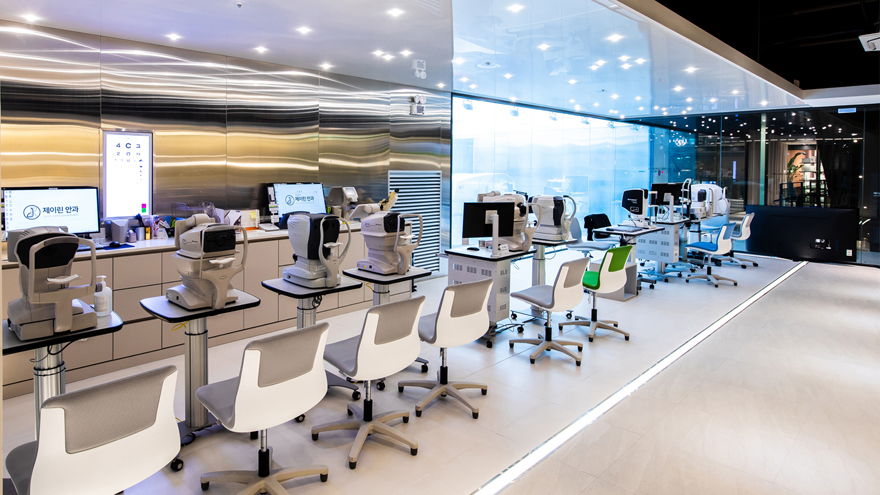
New advancements in retinal imaging technologies have greatly improved the ability to diagnose and track hypertensive retinopathy. Tools like Optical Coherence Tomography (OCT) and OCT angiography provide high-resolution images of the retina, enabling early detection of vascular abnormalities.
At Jryn Eye Clinic, these cutting-edge technologies are integrated into the clinic’s diagnostic protocol, ensuring patients receive the most accurate assessments and personalized care.
Conclusion
Hypertensive retinopathy is a serious condition that can lead to vision loss if left untreated. However, with early detection, effective blood pressure management, and advanced treatments, it is possible to preserve vision and reduce the risk of complications. Regular eye exams, healthy lifestyle choices, and adherence to prescribed medications are essential for protecting your eye health.
At Jryn Eye Clinic, patients receive top-notch care that combines advanced technology with expert ophthalmologists to provide the best outcomes for those managing hypertensive retinopathy.
Ready for a Personalized 1:1 Eye Consultation?
Schedule your comprehensive 3D eye examination with Chief Director Dr. Sang-Youp Han and our ophthalmology team on the 14th floor of JRYN Medical Center in Seomyeon, Busan.