Jryn Eye Clinic Busan (Seomyeon) · SMILE LASIK · EVO+ Visian ICL · Cataract & Retina Center · Tel: +82-51-710-1004
en-US

1:1 Consultation
CLINICAL ARTICLE & GUIDE
Preventing Complications After Cataract and ICL Surgery: Expert Tips
Learn expert tips on preventing complications after cataract and ICL surgery. Follow key recovery steps for smooth healing and optimal vision outcomes.

Introduction: A New Beginning for Your Vision
Cataract and Implantable Collamer Lens (ICL) surgeries are transformative for many individuals, offering a life free from the constraints of glasses and contact lenses. Cataract surgery replaces the cloudy natural lens with an artificial one, while ICL surgery corrects vision by implanting a lens inside the eye without removing the natural lens.
While both surgeries are incredibly effective, your journey to clear, healthy vision doesn't end in the operating room. Post-surgery care plays a pivotal role in achieving the best results. This guide offers expert insights and practical steps to ensure your recovery is smooth and complication-free, helping you to make the most of these vision-correcting procedures.
Why Postoperative Care Matters: A Key Factor for Success
Cataract and ICL surgeries are generally safe and yield excellent outcomes, but complications can still arise. The recovery phase is crucial in preventing such complications and ensuring the best visual results. Potential issues include:

Infections (Endophthalmitis): A rare but serious infection inside the eye.
Posterior Capsule Opacification (PCO): Clouding behind the lens implant that can occur months or years after surgery.
Elevated Intraocular Pressure (IOP): Increased eye pressure that can harm the optic nerve.
Corneal Edema: Swelling of the cornea leading to blurry vision.
Cystoid Macular Edema (CME): Swelling of the central retina affecting detailed vision.
By understanding the risks and following the right care instructions, you can significantly reduce the likelihood of these complications. The recovery process is not just about healing—it’s about ensuring that your eyes adjust to their new vision state in the healthiest way possible.
Essential Postoperative Care: Key Steps for Recovery
Effective recovery after cataract or ICL surgery requires a comprehensive approach. Some key elements to follow include:
Maintain Hygiene: The most common route for infection is through poor hygiene. Be diligent about washing your hands before touching your eyes and using sterile equipment for eye drops.
Follow Medication Instructions: Eye drops are essential to prevent infection and inflammation. Be consistent with your medication schedule.
Adhere to Follow-Up Visits: Routine check-ups with your ophthalmologist are crucial for detecting potential issues early and ensuring your eyes are healing properly.
Limit Risky Activities: Avoid rubbing your eyes or engaging in heavy lifting that might put pressure on your eyes during recovery.
Some clinics also offer tailored support for recovery, including post-surgery kits with protective eyewear and detailed recovery instructions. These resources can help ensure you're following the best practices every step of the way.
The Role of Eye Drops: A Cornerstone of Recovery
Eye drops are often a critical part of your recovery routine, and they come in various types:
Antibiotic Drops: To ward off infections.
Steroid Drops: To reduce inflammation and prevent scarring.
Lubricating Drops: To keep the surface of the eye moist and comfortable.
Using these drops as prescribed is vital for a successful recovery. Any deviation from the prescribed schedule, like skipping doses or improper application, can lead to complications. Clinics that provide personalized guidance and reminders ensure that patients stay on track with their treatment.
Physical Protection of the Eye: Safeguarding Your Vision
During the initial weeks after surgery, your eyes are particularly vulnerable. Here's how you can protect your eyes from potential harm:

Wear an Eye Shield: Use it while sleeping to prevent accidental rubbing, which can damage the healing eye.
Avoid Water Contact: Stay away from water exposure, whether it's swimming or showering, to avoid introducing bacteria to the surgical site.
Wear Sunglasses Outdoors: Shield your eyes from bright light and UV rays.
Keep Hands Clean: Avoid touching your eyes without thoroughly washing your hands first.
Protecting your eyes from any pressure or contamination is critical for a smooth healing process.
Limiting Physical Activity During Recovery
While it’s tempting to get back to your routine quickly, certain physical activities can impede healing or cause complications. For the best recovery, avoid:
Heavy Lifting: Can increase pressure inside the eye.
Strenuous Exercise: Avoid intense physical activities, particularly during the first few weeks.
Prolonged Screen Time: Reading or using screens for extended periods can cause eye strain.
Dusty Environments: These can irritate the healing eye and increase infection risk.
Your ophthalmologist may recommend modifications to your daily routine to accommodate these restrictions, ensuring a safe and effective recovery.
Preventing Infections: Tips for Hygiene
Although infections are uncommon, they can be serious. Preventing them starts with hygiene:
Clean Hands: Wash your hands thoroughly before touching your eye or using eye drops.
Sterile Drops: Only use drops that have been prescribed and ensure they are applied correctly.
Change Pillowcases and Towels Frequently: This minimizes the risk of bacterial contamination.
Avoid Crowded or Dusty Areas: Steer clear of environments that could expose your healing eye to infection.
Following these simple but effective hygiene practices can reduce the likelihood of infection, safeguarding your eye health during recovery.
Handling Light Sensitivity and Vision Fluctuations
It's common to experience some light sensitivity or visual fluctuations following cataract or ICL surgery. These symptoms should resolve within a few weeks, but here are some tips to manage them:
Wear Polarized Sunglasses Outdoors: This helps with light sensitivity, especially in bright sunlight.
Use Soft, Ambient Lighting Indoors: This reduces glare and discomfort.
Take Breaks from Screens: Limit your screen time and give your eyes a rest to reduce strain.
These simple measures can help ease the discomfort associated with adjusting to your new vision.
Addressing Posterior Capsule Opacification (PCO)
PCO is a potential complication, but it’s treatable with a simple laser procedure. If you experience gradual vision loss or glare, it could be an indication of PCO. Fortunately, a YAG laser capsulotomy can clear the cloudy lens and restore your vision in just a few minutes.
Proactive care, such as regular check-ups and early detection, ensures that any complications like PCO are addressed promptly, minimizing disruption to your recovery.
Monitoring Eye Pressure and Corneal Health
After surgery, it’s important to keep a close eye on the pressure inside your eye (intraocular pressure, or IOP) and overall corneal health. Elevated pressure can lead to glaucoma if not managed, while corneal swelling can blur vision. Regular follow-up visits with your ophthalmologist will include checks for these conditions to ensure they’re addressed before they become serious.

Advanced diagnostic tools, such as Pentacam and iTrace, allow ophthalmologists to monitor eye pressure and assess the health of the cornea with great precision.
Retinal Detachment and Rare Complications
Though rare, retinal detachment can occur after cataract or ICL surgery, and it requires immediate attention. Warning signs include:
Sudden Appearance of Floaters
Flashes of Light
A Shadow or Curtain Across Vision
Other uncommon complications may include dislocated IOLs, toxic anterior segment syndrome (TASS), or chronic inflammation. Prompt diagnosis and treatment are key to addressing these issues successfully.
Personalized Recovery Timelines
Each patient’s recovery timeline can differ based on factors like age, overall health, and the specifics of the surgery. Generally, here’s what you can expect:
Light Activity: 1-2 days post-surgery.
Return to Work and Driving: 1 week (depending on visual clarity).
Exercise or Swimming: 2-4 weeks after surgery.
Your ophthalmologist will provide tailored guidelines for when you can safely resume your normal activities.
The Value of Follow-Up Visits
Regular follow-up visits are crucial for tracking your progress and detecting any potential issues early. These visits typically occur:
1 Day After Surgery
1 Week
1 Month
3 Months
Missing a follow-up can delay the detection of complications, so it’s important to adhere to your doctor’s schedule.
How Jryn Eye Clinic Minimizes Surgical Risks
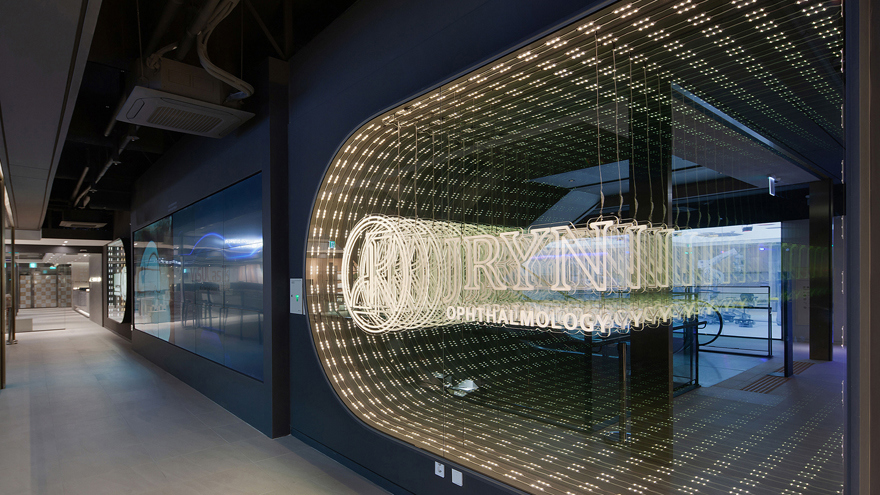
At Jryn Eye Clinic, the team takes a holistic approach to minimizing risks associated with cataract and ICL surgeries. By combining cutting-edge technology, expert care, and comprehensive aftercare, the clinic ensures patients experience the highest chances of successful outcomes and minimal complications. Here's how:
Cutting-Edge Technology for Precise Results
One of the major factors in minimizing complications after cataract and ICL surgery is the use of advanced technologies that allow for greater precision and safety during procedures. Jryn Eye Clinic is equipped with state-of-the-art tools and systems that elevate the surgical process:
VisuMax Femtosecond Laser:
This advanced laser is essential for performing highly precise and minimally invasive vision correction procedures. In cataract surgery, it allows for more accurate corneal incisions, reducing the need for manual cutting. The precision of the VisuMax laser significantly lowers the risk of surgical complications such as infection, excessive scarring, or improper lens placement.Zepto Cataract System:
The Zepto system is a cutting-edge device used in cataract surgery for capsulotomy, which involves creating an opening in the lens capsule to remove the cataract. This system allows for perfect circular incisions, which is essential for the proper placement of the intraocular lens (IOL) and reduces the risk of lens dislocation or post-surgical complications. It ensures a more consistent and reproducible result than traditional methods.EVO Visian ICL Technology:
For those undergoing ICL surgery, Jryn Eye Clinic utilizes the EVO Visian ICL system, which offers precision in implanting the lens with minimal risk of post-operative issues. The EVO ICL procedure is less invasive compared to traditional LASIK surgery, as it preserves the corneal structure, reducing the likelihood of dry eye syndrome or glare post-surgery. The advanced imaging technology used during ICL surgery ensures accurate sizing and placement of the lens for optimal vision correction.
By utilizing these advanced technologies, Jryn Eye Clinic ensures that each surgery is performed with the utmost accuracy, which significantly reduces the likelihood of complications like infection, inflammation, or lens misplacement.
Expert Care from Trusted Ophthalmologists
While advanced technology plays a critical role in reducing risks, the expertise and skill of the surgical team are just as important. Jryn Eye Clinic is led by some of the top ophthalmologists in the field, each with extensive experience in cataract and ICL surgery:
Dr. Han Sang Yeop, Founder & Representative Director:
Dr. Han is an internationally recognized expert in vision correction surgeries, including SMILE LASIK, LASIK/LASEK, and ICL procedures. With over 20 years of experience, Dr. Han has performed thousands of cataract and ICL surgeries and is known for his meticulous approach, ensuring that every patient receives the best possible care.Dr. Heo Joong Gu, Chief Ophthalmologist:
Dr. Heo brings over 20 years of expertise in complex eye surgeries, focusing on refractive corrections and cataract surgery. He is particularly noted for his ability to handle challenging cases and his precise technique, which minimizes the risk of complications during surgery and improves recovery time.Dr. Lee Jae Jung, Ophthalmic Surgeon & Research Contributor:
Dr. Lee’s expertise is in cutting-edge research and complex eye surgeries, especially for cataracts and presbyopia treatments. His contributions to the field make him a trusted surgeon for patients seeking high-quality care. His emphasis on detailed patient assessments and careful surgical execution ensures that all procedures are performed with the utmost care.
The team's combined experience ensures that every patient is in the hands of professionals who are equipped to prevent complications and provide a high level of care throughout the entire surgical process.
Conclusion: A Smooth Recovery for Lasting Vision
To ensure the best outcomes after cataract or ICL surgery, it’s essential to follow a disciplined recovery plan. By adhering to medication schedules, protecting your eyes, and attending follow-up visits, you can significantly reduce the risk of complications and enjoy clear, healthy vision.
Ready for a Personalized 1:1 Eye Consultation?
Schedule your comprehensive 3D eye examination with Chief Director Dr. Sang-Youp Han and our ophthalmology team on the 14th floor of JRYN Medical Center in Seomyeon, Busan.