Jryn Eye Clinic Busan (Seomyeon) · SMILE LASIK · EVO+ Visian ICL · Cataract & Retina Center · Tel: +82-51-710-1004
en-US

1:1 Consultation
CLINICAL ARTICLE & GUIDE
Presbyopia Treatment in Busan: Non-Surgical Options
Explore non-surgical presbyopia treatment in Busan, including eye drops and lens therapy. Discover safe, effective options—book your consultation today!

Introduction

If you’re in your 40s or beyond and suddenly noticing it’s harder to read your smartphone or a menu in low light, you’re not alone. Presbyopia is a natural part of aging, and nearly everyone experiences it at some point. But in a city like Busan, where daily life is packed with smartphone use, reading, and close work, this condition can feel particularly disruptive. Fortunately, there are several non-surgical ways to manage presbyopia effectively. And here at Jryn Eye Clinic in Busanjin-gu, we specialize in helping patients regain their near vision without necessarily going under the laser.
This article walks you through what presbyopia really is, why non-surgical options make sense for many people, and how we tailor treatments based on each individual’s eyes and lifestyle. Whether you're someone exploring treatment for the first time or someone looking to delay surgery as long as possible, our goal is to equip you with a clear, medically grounded, and culturally relevant understanding of your options.
What Exactly Is Presbyopia?
Presbyopia happens when the eye's natural lens becomes less flexible with age. This reduces the eye’s ability to focus on close objects. It’s not a disease, but rather a functional change in the eye. Most people begin to notice it in their early to mid-40s, often realizing they’re holding their phones farther away or needing better lighting to read.
In Korea, where digital device usage is extremely high and education-driven culture emphasizes reading from a young age, presbyopia tends to make an early and very noticeable entrance into daily life. At Jryn Eye Clinic, we often see patients who are frustrated not just by the visual discomfort, but by how suddenly it seems to affect productivity and quality of life. One of our patients recently said, "I never thought something as small as reading fine print could make me feel older."
What people often overlook is that presbyopia isn’t simply about needing glasses; it changes how you function daily. Reading receipts, using smartphones, checking product labels at the supermarket—these everyday moments suddenly require more effort. This is why timely intervention, even if it's non-surgical, can make a significant difference.
Why Consider Non-Surgical Treatment First?
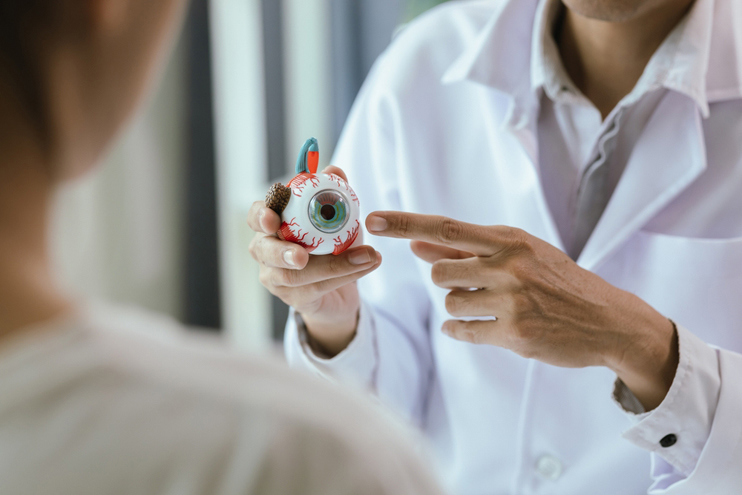
Many patients come to us asking about LASIK or lens implants, but those are not always the first or best steps. In fact, most people can manage early-to-moderate presbyopia without surgery. Non-surgical methods are safer, cost-effective, and highly customizable.
In a culture that values minimal disruption and maximum functionality, non-invasive treatments offer a flexible, reversible, and often highly satisfying way to adapt to presbyopia without long recovery times or permanent changes to the eye.
Non-surgical treatments also give patients time. They offer an opportunity to adjust to the changes in their vision and lifestyle without making irreversible decisions. It's a bit like testing the waters before jumping in. This stage can help patients better understand their needs and preferences before exploring surgical routes.
Moreover, non-surgical options tend to integrate well with patients' existing routines. You can wear glasses that suit your fashion sense. You can try contacts just for weekends. You can experiment with different settings for reading and computer work. Flexibility is a huge part of why non-surgical options are so popular among our Busan patients.
Spectacle Solutions: More Than Just Reading Glasses
Over-the-Counter Reading Glasses
If your distance vision is fine and you’re only struggling up close, these can be a simple first step. We sometimes call them "starter lenses," and they work well for low-demand tasks like checking your phone or reading labels.
Bifocals and Progressive Lenses
These lenses combine prescriptions for near and far distances. Progressive lenses in particular are seamless and stylish, offering smooth transitions without the visible line of bifocals. They’re ideal for professionals or anyone constantly shifting between screen work and face-to-face interaction.
Prescription Options
At Jryn, we often prescribe lenses tailored not just to vision but to the patient’s daily routine. For example, a teacher may need stronger intermediate vision for whiteboards, while an office worker may prioritize reading and screen clarity.
Another important aspect is lens coating. We often recommend anti-fatigue, anti-glare, and blue light filtering lenses to our presbyopic patients, especially those who spend a lot of time in front of screens. These coatings not only improve clarity but also reduce visual fatigue, which is increasingly common in urban settings like Busan.
Contact Lenses: Freedom from Glasses

Monovision Lenses
In this approach, one eye is corrected for near vision, the other for distance. Your brain adapts and blends the two inputs. It’s not for everyone, but with proper fitting and trial, it can be extremely effective.
Some patients worry about depth perception or discomfort when trying monovision. At Jryn Eye Clinic, we offer in-office simulations to let patients experience the adjustment period before committing. We’ve found this hands-on approach boosts confidence and satisfaction.
Multifocal Contacts
These mimic progressive glasses but in contact lens form. Some patients find these more comfortable and convenient, especially if they dislike wearing glasses altogether. There are soft multifocal lenses and rigid gas-permeable types—our team helps select the best material and design depending on your tear production and lifestyle.
We also assess ocular surface health first. Many Korean patients unknowingly suffer from mild to moderate dry eye, which can interfere with contact lens comfort. We use diagnostic tools like tear break-up time (TBUT) and meibography to ensure compatibility before prescribing lenses.
Medicinal Drops and New Technologies
Miotic Eye Drops
Recently approved in some regions, these drops temporarily constrict the pupil, increasing depth of focus. They can provide hours of improved near vision and are a popular discussion point among patients looking for non-lens solutions.
While not yet widely available in Korea, we are closely monitoring regulatory updates. These drops are appealing to patients who want a glasses-free experience for social occasions or specific tasks like reading at night.
Visual Training and Software Tools
Though still developing, certain programs claim to enhance visual acuity through regular cognitive and visual exercises. While the long-term results remain under study, we are optimistic about their potential for patients with mild presbyopia or those unwilling to wear lenses daily.
Adjustable Glasses and Wearable Tech
Some high-tech glasses are entering the market with built-in sensors and adjustable focus. Though still emerging, these devices might revolutionize how we approach presbyopia. For now, they remain niche but promising.
Is Non-Surgical Enough for You?
We often tell patients: "If your biggest concern is convenience and comfort, non-surgical methods are a great place to start." But for those seeking more permanent freedom or who have complex visual needs, we may explore surgical routes in the future.
That said, many patients are surprised at how well they do with just glasses or contacts. And since presbyopia progresses gradually, what works now may evolve later—which is why routine check-ups are crucial.
Another reason to consider non-surgical first is the opportunity to understand how your eyes adapt over time. Some patients, after trying progressive lenses or monovision contacts, develop a clearer sense of their long-term preferences. This makes them better candidates if and when they consider surgical correction later on.
Non-surgical doesn’t mean temporary or second-rate. With the right fit and follow-up, it can be a comfortable, confidence-restoring solution that lasts years.
Why Busan Residents Prefer Jryn Eye Clinic
Here in Busan, lifestyle matters. We know people are busy, practical, and value quality service. That’s why our clinic focuses on personalized, precise care.
Dr. Han Sang Yeop brings over two decades of ophthalmic expertise.
We use advanced diagnostic tools to customize your treatment.
We understand local habits—like how digital fatigue and dry eyes interplay with presbyopia.
We don’t rush to surgery; we plan step-by-step with your long-term vision in mind.
Our patients often say they feel "heard and understood" during their visits. That’s not just customer service; it’s part of our medical philosophy. The human eye is complex, and no two cases are identical. We tailor every treatment to reflect that.
Whether you're a local in Busanjin-gu or an international patient visiting for specialized care, we provide support in English and Korean, offer detailed vision planning, and make sure you understand every part of your care plan.
Final Thoughts: Start Simple, Plan Smart
Presbyopia doesn’t need to be a crisis. With the right tools and expert guidance, you can manage it comfortably, often without any surgery at all.
If you're struggling with near vision, come in for a comprehensive exam. Let us understand how you work, read, relax—and we’ll recommend a non-surgical plan that fits you.
And remember, what starts as reading glasses might one day lead to a more permanent correction. But that decision doesn’t have to happen today.
The path to clear, comfortable near vision begins with understanding and planning. Non-surgical treatments are often the first—and for many, the best—step. And when your needs change, so can your treatment.
Ready for a Personalized 1:1 Eye Consultation?
Schedule your comprehensive 3D eye examination with Chief Director Dr. Sang-Youp Han and our ophthalmology team on the 14th floor of JRYN Medical Center in Seomyeon, Busan.