Jryn Eye Clinic Busan (Seomyeon) · SMILE LASIK · EVO+ Visian ICL · Cataract & Retina Center · Tel: +82-51-710-1004
en-US

1:1 Consultation
CLINICAL ARTICLE & GUIDE
Patient Story: Life After Presbyopia LASIK
Discover a real patient story about life after Presbyopia LASIK—clearer vision, freedom from readers, and renewed confidence. Learn more today!

Introduction: When Near Vision Slips Away

If you’ve ever caught yourself holding your phone at arm’s length just to read a message, you’re not alone. Presbyopia—often called “middle-aged vision”—is a universal condition that begins in our 40s and progresses with age. It’s not a disease, but for many, it feels like a sudden betrayal. One day, the eyes you’ve trusted for decades can no longer handle the fine print of daily life.
In Korea, where fast-paced digital communication, reading subway signage, and enjoying family meals with menus in small print are part of everyday routine, presbyopia can feel especially disruptive. Many patients describe it not only as a visual problem but also as an emotional one—a reminder of aging and dependence.
At Jryn Eye Clinic in Busanjin-gu, Busan, we’ve seen firsthand how presbyopia affects quality of life. To bring this experience to life, we’d like to share the story of one of our patients, Mr. Kim, who underwent presbyopia LASIK (presbyLASIK) with us. His journey reflects the frustrations, hopes, and life-changing outcomes that many patients experience.
The Daily Struggles of Presbyopia
Mr. Kim, a 49-year-old office worker, came to our clinic after years of frustration with his near vision. His job required long hours at the computer, reviewing documents, and constant use of his smartphone. He shared:
“I felt like my eyes were betraying me. I couldn’t read reports without glasses, and it made me feel older than I am.”
Like many, he first tried reading glasses. Then bifocals. Then progressive lenses. But switching between them during meetings was awkward, and he hated the feeling of being tethered to a pair of glasses. What people often overlook is that presbyopia doesn’t just affect vision—it eats away at independence and confidence.
He confessed that he avoided reading menus at restaurants, letting friends order for him, and that even at home, simple tasks like checking expiration dates on groceries became irritating. Presbyopia was seeping into every corner of his daily life.
Exploring Solutions: Why Presbyopia LASIK?
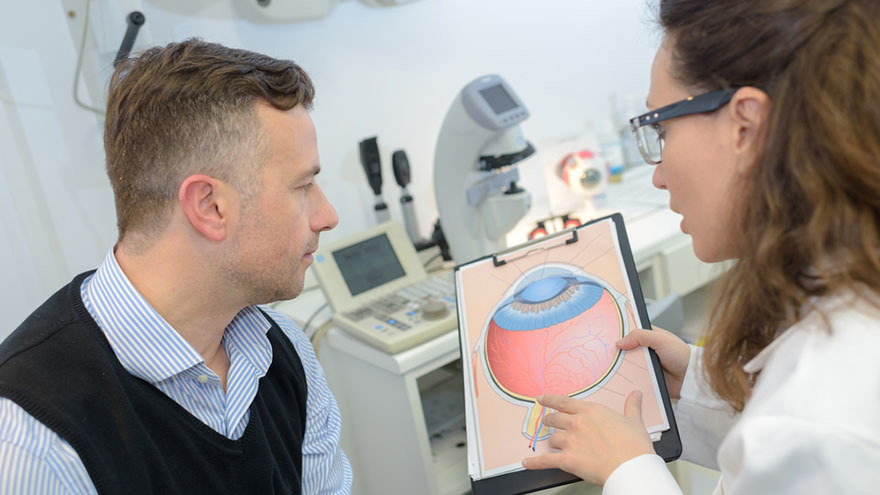
When Mr. Kim visited Jryn Eye Clinic, we performed a full diagnostic evaluation using advanced corneal imaging, tear film analysis, and wavefront measurements. His eyes were otherwise healthy—no cataracts, no retinal issues, and good corneal thickness. This made him a strong candidate for presbyLASIK.
Presbyopia LASIK differs from conventional LASIK. Instead of only correcting distance vision, presbyLASIK reshapes the cornea to create a multifocal effect, allowing the eye to manage both near and far focus. Think of it like adjusting the depth of field on a camera lens—expanding clarity at multiple distances rather than just one.
Dr. Han Sang Yeop, our lead ophthalmologist with over 20 years of experience in refractive surgery, explained to him:
“This isn’t about turning back the clock to age 20. It’s about giving you freedom—to read, to work, and to live without constantly searching for your glasses.”
That honesty helped Mr. Kim set realistic expectations and feel confident about proceeding.
The Procedure: Quick, Precise, and Comfortable
The day of surgery, Mr. Kim was understandably nervous. But like most patients, he was surprised at how quick and painless the procedure was. Each eye took less than 15 minutes under the excimer laser system. Numbing drops kept him comfortable throughout.
Unlike lens implantation or cataract surgery, presbyLASIK requires no incisions inside the eye. The recovery is relatively swift because the corneal reshaping is precise and minimally invasive.
“I was amazed at how easy it was. I expected something more intense, but it felt like it was over before I realized,” Mr. Kim recalled.
Early Recovery: Adjusting to a New Way of Seeing
In the first few days after surgery, Mr. Kim noticed some mild glare at night and occasional blurring. These are common adjustment symptoms as the brain learns to adapt to the new multifocal corneal pattern. Within two weeks, he was comfortably reading his smartphone without glasses. After one month, he felt stable and confident.
“I feel like myself again. At work, I don’t need to stop meetings to put on glasses. At home, I can read the newspaper in the morning sun like I used to.”
The small inconveniences of early healing paled in comparison to the joy of daily freedom.
Life After Presbyopia LASIK: Freedom Regained

Six months after surgery, Mr. Kim returned for his follow-up. His distance vision was sharp, and his near vision allowed him to comfortably read menus, phone messages, and labels. He occasionally used reading glasses in dim light for very fine print, but he described them as “optional” rather than “essential.”
Most importantly, he felt his independence return.
“What people don’t realize is how much small things matter. Being able to read a menu on a dinner out without glasses—that feels like freedom.”
The surgery didn’t just restore vision; it restored a sense of confidence and youthfulness.
Beyond Mr. Kim’s Story: Understanding the Bigger Picture
Presbyopia is universal, and patients often ask why it happens. The answer lies in the eye’s natural lens, which loses flexibility with age. In our youth, the lens adjusts easily, shifting focus between near and far objects. Over time, it stiffens—like a window hinge that no longer swings smoothly. This is why even the healthiest eyes eventually struggle to read up close.
In Korea, presbyopia has become an increasingly visible issue, especially with the country’s aging population. Many professionals in their 40s and 50s rely heavily on digital devices, meaning the frustration often feels sharper here than in past generations. People who once prided themselves on sharp eyesight suddenly feel dependent, which can impact not only daily life but also emotional well-being.
The Korean Ophthalmological Society estimates that nearly 9 out of 10 adults over 45 experience noticeable symptoms of presbyopia. With life expectancy increasing, more people are living longer with vision challenges that affect work, hobbies, and relationships. That is why solutions like presbyLASIK have grown in demand—not only for comfort but also for maintaining productivity and quality of life.
What Patients Should Know About PresbyLASIK
While Mr. Kim’s story is inspiring, every patient’s eyes are unique. Presbyopia can be managed in several ways, and not everyone is a candidate for presbyLASIK. Other treatment options include:
Monovision LASIK: Correcting one eye for distance and the other for near vision. This is effective for some but can feel unnatural for others.
Multifocal IOLs: Artificial lenses implanted during cataract surgery, offering near and distance focus. This is often recommended for patients with both cataracts and presbyopia.
Corneal inlays: Small implants placed in the cornea to improve near vision. Although once popular, they are now less common due to variable results.
Reading glasses and progressive lenses: Still widely used, though many patients, like Mr. Kim, seek alternatives for convenience and independence.
The choice depends on factors such as corneal thickness, eye health, occupation, and personal preferences. For example, patients who drive frequently at night may be advised toward certain options to minimize glare. Others who read extensively may prefer lens-based treatments.
That’s why precise diagnostic evaluation and a detailed consultation with an experienced ophthalmologist are critical.
At Jryn Eye Clinic, we emphasize transparency: presbyLASIK is not about perfect vision in all situations. It’s about practical freedom from glasses in everyday life.
Lifestyle Benefits After PresbyLASIK
Patients who undergo presbyLASIK often describe improvements that go far beyond clear eyesight. They notice changes in how they work, travel, and connect with others. Some examples we hear regularly include:
Work productivity: Office workers no longer struggle to shift between reading glasses and distance vision during presentations.
Social confidence: People feel younger and more relaxed when they don’t need to pull out glasses in restaurants or social gatherings.
Active hobbies: Golfers, cyclists, and those who enjoy outdoor activities say they love the convenience of being glasses-free.
Parenting and grandparenting: Reading stories to children, helping with homework, or checking messages from family becomes easier.
The benefits may seem small individually, but together, they create a profound sense of independence and freedom.
Conclusion: Seeing Life Clearly Again
Presbyopia may be inevitable, but its impact doesn’t have to be. With treatments like presbyLASIK, patients can regain the ability to enjoy everyday moments—reading a message, glancing at a restaurant menu, or simply relaxing with a newspaper—without feeling tethered to glasses.
Mr. Kim’s story is just one example of how vision correction can restore not only sight but also confidence and independence. The joy of presbyopia surgery isn’t just about sharper vision—it’s about reclaiming the rhythms of life that blurry near vision once disrupted.
If you’ve been struggling with presbyopia, consider seeking a consultation at a trusted clinic with experience in advanced treatments. At Jryn Eye Clinic in Busan, we are committed to helping patients see better and live better—through precise, personalized, and compassionate care.
Ready for a Personalized 1:1 Eye Consultation?
Schedule your comprehensive 3D eye examination with Chief Director Dr. Sang-Youp Han and our ophthalmology team on the 14th floor of JRYN Medical Center in Seomyeon, Busan.