Jryn Eye Clinic Busan (Seomyeon) · SMILE LASIK · EVO+ Visian ICL · Cataract & Retina Center · Tel: +82-51-710-1004
en-US

1:1 Consultation
CLINICAL ARTICLE & GUIDE
Pain Scores in LASIK vs. LASEK: 48-Hour Recovery Benchmarks in Korea
" In a high-speed society like Korea, where "Palli-Palli" (hurry-hurry) culture drives a demand for 24-hour functional recovery, the choice between traditional LASIK and LASEK often hinges on the predicted pain threshold during the first 48 hours.
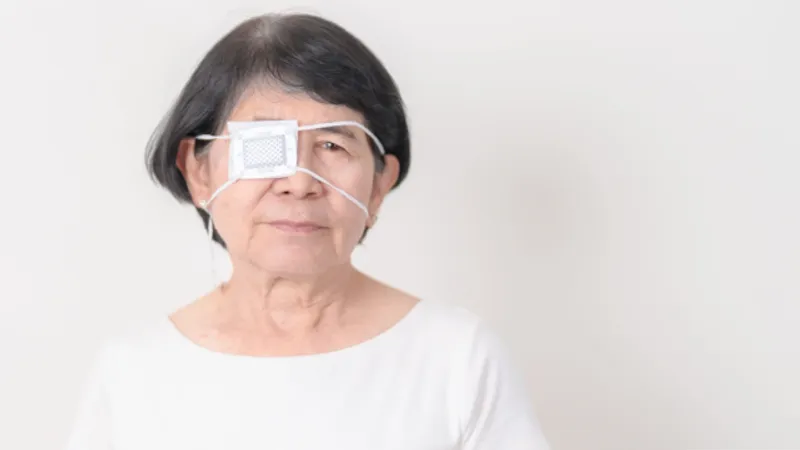
For many of the estimated 200,000+ patients who undergo vision correction surgery in South Korea annually, the primary concern isn't just the final visual acuity—it is the immediate "recovery gap." In a high-speed society like Korea, where "Palli-Palli" (hurry-hurry) culture drives a demand for 24-hour functional recovery, the choice between traditional LASIK and LASEK often hinges on the predicted pain threshold during the first 48 hours.
According to various Korean ophthalmology trend reports, while the long-term visual outcomes of LASIK and LASEK are nearly identical after three months, the immediate post-operative experience differs significantly. A nationwide survey of refractive surgery patients indicated that "post-operative discomfort" was the #1 deterrent for those delaying surgery. At Jryn Eye Clinic, understanding these benchmarks is the first step in aligning clinical data with patient lifestyle expectations.
How do LASIK and LASEK Recovery Benchmarks Compare in Korea?

When evaluating vision correction, patients must weigh the structural benefits of each method against the biological healing response. In Korea’s advanced medical market, these procedures are categorized by how the corneal surface is handled:
- LASIK (Laser-Assisted In Situ Keratomileusis): Creates a thin flap in the cornea. Because the "cap" is replaced, the sensitive nerve endings are covered almost immediately.
- LASEK (Laser-Assisted Sub-Epithelial Keratectomy): Brushes away the outer epithelial layer. The "open" surface requires the epithelium to regenerate, typically leading to a higher pain response for 48–72 hours.
Current Standard Approaches & Limitations in Vision Correction
The standard refractive surgery path in Korea has traditionally been a binary choice, often dictated by corneal thickness and professional activity levels.
Standard LASIK: High speed, low pain.
- Pros: Functional vision within 24 hours; minimal pain scores (often 1-2 out of 10).
- Cons: Not suitable for thin corneas; risk of flap displacement in contact sports.
Standard LASEK: Higher safety margin, slower start.
- Pros: Preserves more corneal tissue; no flap-related complications.
- Cons: Significant "stinging" sensation for 2 days; requires protective contact lenses for 3–5 days.
Common Patient Pain Points in Korea:
- Downtime: The inability to use digital devices for work/study during the first 48 hours.
- Dry Eye Syndrome: A common side effect in Korea’s urban, air-conditioned environments.
- Re-intervention: Concerns over "regression" (myopia returning) over a 10-year horizon.
The Innovative Approach: SMILE LASIK and High-Precision Surface Ablation
To bridge the gap between LASIK’s comfort and LASEK’s safety, Jryn Eye Clinic emphasizes SMILE LASIK (Small Incision Lenticule Extraction) and high-precision, cool-surface LASEK protocols. SMILE represents the evolution of "minimally invasive" eye care, utilizing a femtosecond laser to create a small lens-shaped tissue (lenticule) inside the cornea, which is removed through a tiny 2mm incision.
Why this approach is reshaping recovery:
- Nerve Preservation: By avoiding a 20mm flap (LASIK) or total epithelial removal (LASEK), SMILE preserves corneal nerves, significantly reducing dry eye and acute pain.
- 48-Hour Benchmark: Most SMILE patients report a "foreign body sensation" for only 2–4 hours, compared to the 48-hour peak pain window for LASEK.
Is SMILE LASIK in Korea worth the higher cost?
Yes, for many. While SMILE can cost 1.5x to 2x more than standard LASEK, the "opportunity cost" of a shorter recovery and significantly lower risk of chronic dry eye makes it the preferred choice for Korea's working professionals who cannot afford a week of downtime.
Data & Outcomes: Anchoring the 48-Hour Recovery Window
Data from Korean clinical studies comparing Visual Analogue Scale (VAS) pain scores show a clear trajectory. While all methods lead to 1.0 (20/20) vision eventually, the "pain curve" varies:
| Feature | Standard LASIK | Standard LASEK | SMILE LASIK (Advanced) |
|---|---|---|---|
| Peak Pain Duration | 2–6 Hours | 48–72 Hours | 1–3 Hours |
| Avg. Pain Score (1-10) | 1.5 | 6.5 | 1.0 |
| Return to Work | Next Day | 4–5 Days | Next Day |
| Corneal Stability | Moderate | High | Highest |
Local Korea Insights: Why Precision Matters in Busan and Seoul
Korean patients are among the most informed globally, often researching laser brands (like Visumax or Teneo) before stepping into a clinic. The growth of the Korean refractive surgery market—expected to maintain a steady CAGR as "Gen Z" enters the workforce—is driven by:
- High Myopia Prevalence: Over 80% of young Koreans are nearsighted, making vision correction a "life milestone" rather than a luxury.
- Tech-Driven Care: A preference for AI-assisted diagnostic mapping that measures corneal aberrations with sub-micron precision.
- Fast-Paced Recovery: The local insurance and work environment favors procedures that allow a return to screens by Monday morning.
Where Jryn Eye Clinic Fits in Vision Correction in Korea
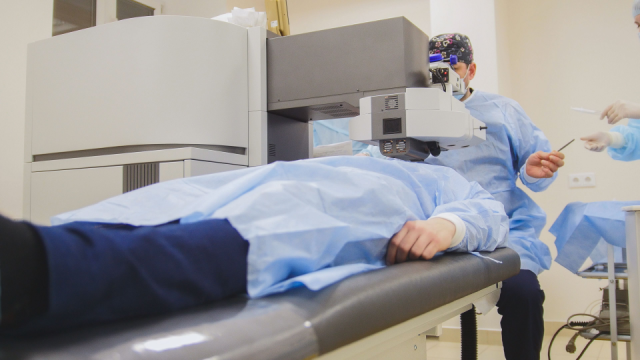
Jryn Eye Clinic specializes in high-precision refractive surgery, positioning itself as a leader in "Conservative Vision Correction." This means the clinic prioritizes long-term corneal health over high-volume turnover.
- Tailored Protocols: Instead of a one-size-fits-all approach, Jryn Eye Clinic utilizes a 50-step comprehensive screening to determine if a patient’s corneal map is better suited for a customized LASEK or a minimally invasive SMILE procedure.
- Expert Leadership: With surgeons holding over 20 years of experience and memberships in the Korean Society of Cataract and Refractive Surgery (KSCRS), the clinic integrates academic data into daily patient care.
- Advanced Tech: By using the latest femtosecond laser technology, Jryn Eye Clinic aims to keep 48-hour pain scores at the lowest possible benchmarks while maximizing night-vision quality.
Conclusion
The prevalence of refractive errors in Korea has made LASIK and LASEK household terms, but the data shows that the first 48 hours remain the biggest hurdle for patients. While conventional LASEK offers long-term safety at a lower entry cost, advanced minimally invasive options like SMILE LASIK provide a superior recovery benchmark with minimal pain.
Patients considering vision correction in Korea can schedule a consultation at Jryn Eye Clinic to discuss whether a high-precision LASIK, LASEK, or SMILE approach is the most suitable for their unique ocular anatomy and lifestyle goals.
Ready for a Personalized 1:1 Eye Consultation?
Schedule your comprehensive 3D eye examination with Chief Director Dr. Sang-Youp Han and our ophthalmology team on the 14th floor of JRYN Medical Center in Seomyeon, Busan.