Jryn Eye Clinic Busan (Seomyeon) · SMILE LASIK · EVO+ Visian ICL · Cataract & Retina Center · Tel: +82-51-710-1004
en-US

1:1 Consultation
CLINICAL ARTICLE & GUIDE
Nighttime Driving After LASIK: Tips to Stay Safe
Struggling with nighttime driving after LASIK? Discover expert tips to reduce glare, improve vision, and stay safe on the road. Learn more now!
Introduction
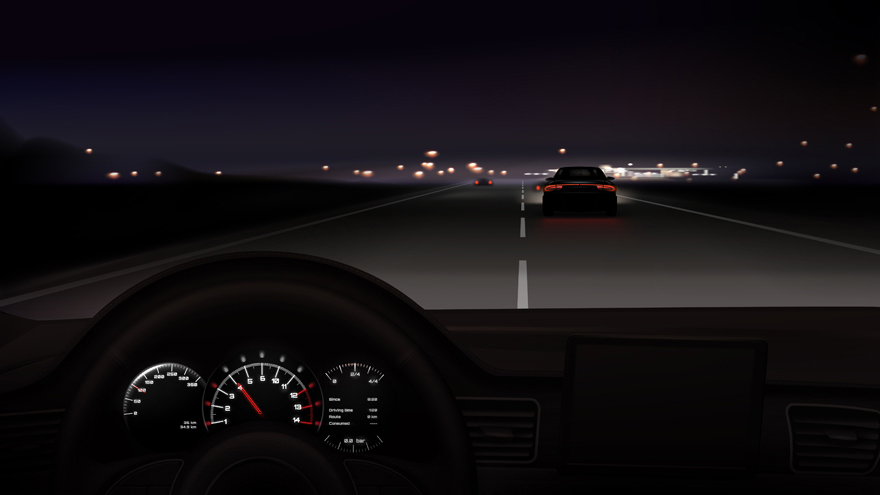
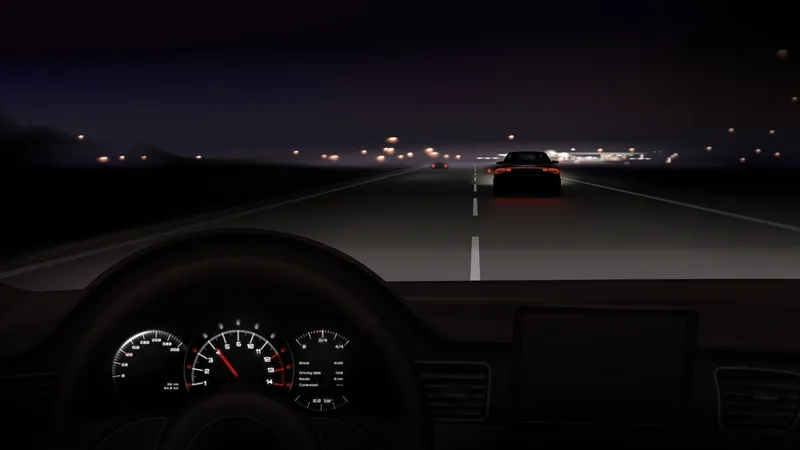
If you’ve recently had LASIK and are wondering whether it’s safe to drive at night, you’re not alone. For many people, especially in a car-centric country like South Korea, the ability to drive safely after vision correction surgery is a big deal. Night driving, in particular, poses unique challenges post-LASIK that don’t always show up during a routine eye exam in bright clinic lighting. The good news? With the right information, patience, and care, most people adjust well. At Jryn Eye Clinic, we’ve guided hundreds of patients through this transition safely.
Let’s walk through what to expect, why nighttime driving can feel different after LASIK, and how to protect both your eyes and your safety during the recovery phase. Even if you've had excellent results with your daytime vision, the night environment introduces a whole different set of visual demands that require careful consideration.
What Happens to Your Night Vision After LASIK?
Immediately after LASIK, your corneas are healing. This healing process can introduce visual disturbances that are particularly noticeable in low-light environments:
Halos around lights, such as headlights or traffic signals
Glare from oncoming traffic
Starbursts or flaring effects from bright lights at a distance
Reduced contrast sensitivity, making it harder to distinguish between objects and backgrounds in the dark
These symptoms are common and typically temporary. They happen because the reshaped cornea changes how light enters your eye, especially when your pupils dilate in dim lighting. Also, corneal swelling or micro-irregularities can scatter light. For most patients, these symptoms diminish significantly within 1 to 3 months. However, the severity and duration of these effects can vary based on individual eye anatomy, surgical technique, and preoperative prescription.
Another contributing factor is dry eye, which often becomes more noticeable after LASIK. Tears help create a smooth optical surface. Without enough moisture, your vision can appear blurry or unstable—especially at night. Dryness tends to worsen in environments with air conditioning or wind exposure, both common during car rides.
It’s important to understand that your eyes are essentially recalibrating themselves after surgery. Just as a freshly installed camera lens needs fine-tuning to deliver perfect focus in all settings, your corneas need time to adapt to varied light conditions.
When Is It Safe to Drive at Night Again?
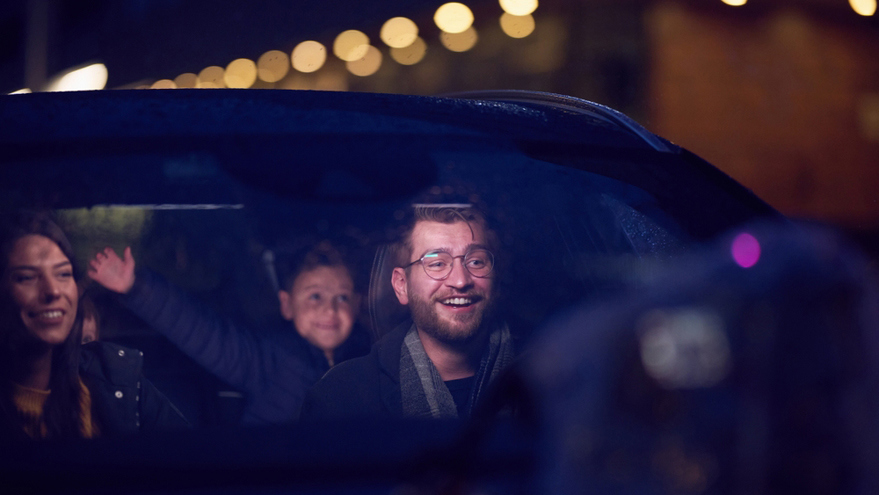
Most people can return to daytime driving within 24 to 48 hours after LASIK, depending on your surgeon’s advice. Night driving, however, takes a bit more caution. Here’s what we generally recommend at Jryn Eye Clinic:
Wait at least a week before attempting night driving unless your vision is very stable and free from glare.
Use your follow-up appointments to assess not just visual acuity, but also night vision quality, including glare sensitivity and contrast perception.
Be honest about your symptoms. Some patients hesitate to mention halos or glare, fearing they’ll be seen as "complaining." But your feedback helps us guide your recovery timeline and interventions.
For some patients, particularly those with larger pupils or higher pre-op prescriptions, night vision issues may last a bit longer. That’s normal. The key is listening to your eyes and taking precautions until full clarity returns.
In rare cases, patients may benefit from enhancement procedures or custom optical treatments to further refine their night vision. These are decisions made with careful diagnostics, including wavefront aberrometry and corneal topography.
Tips to Make Night Driving Safer During Recovery
If you need to drive at night within the first month or two post-LASIK, here are some practical strategies to improve safety and comfort:
1. Keep Windshields and Headlights Clean
Even slight grime on your windshield or headlights can amplify glare. Make it a habit to clean them regularly, especially before evening drives.
2. Adjust Your Car’s Lighting
Dim your dashboard and infotainment system to reduce internal reflections. Consider turning on a soft cabin light to prevent your pupils from dilating too much. Smaller pupils reduce the impact of corneal irregularities that cause night glare.
3. Use Anti-Reflective Lenses if Needed
If you wear glasses for night driving (some patients still use them temporarily post-LASIK), ask for lenses with an anti-glare coating. They help reduce halos and scattered light. Some patients also use clip-on filters with yellow or amber tints to enhance contrast.
4. Apply Artificial Tears Before Driving
Lubricating eye drops can temporarily improve visual clarity by reducing dry spots on the cornea. Keep a bottle in your glove compartment for easy access.
5. Drive Slower Than Usual
Give yourself extra space and time to react. Slower speeds reduce the risk of missing road signs or misjudging distances due to glare. If you're driving in unfamiliar areas, rely more on GPS voice commands than visual cues.
6. Take Regular Breaks
If you’re driving long distances, stop every hour or so. Resting your eyes prevents fatigue and keeps your vision more stable. Blinking fully and frequently helps replenish tear film.
7. Avoid Challenging Conditions
Skip night drives in heavy rain, dense fog, or areas with excessive oncoming headlights. These environments can overwhelm your still-adjusting eyes and exaggerate visual distortion.
8. Listen to Your Body
If your vision feels off, don’t push it. Ask a friend to drive, or wait until your eyes feel clearer. Visual confidence is essential to safety.
9. Use Mirrors and High Beams Strategically
Avoid staring into oncoming lights. Adjust your rearview mirror to the night setting to minimize glare. Use high beams only when necessary and switch back promptly for oncoming traffic.
Warning Signs to Watch Out For

While most night vision issues post-LASIK are normal, there are some red flags to be aware of:
Vision worsening over time instead of improving
Persistent double vision, ghost images, or severe halos beyond 3 months
Pain, redness, or light sensitivity
Difficulty reading signs or distinguishing objects at night
These could indicate complications such as undercorrection, epithelial ingrowth, or post-LASIK ectasia (rare but serious). Your ophthalmologist may recommend additional imaging or treatment. At Jryn Eye Clinic, we use advanced diagnostics like Pentacam and iDesign to pinpoint the root cause and guide personalized solutions.
Patience Pays Off
To be honest, no one likes the idea of blurry nights after a vision correction procedure they hoped would solve everything. But here’s what we’ve seen again and again at Jryn Eye Clinic: those who stay patient and cautious during this phase often achieve excellent long-term results.
Think of your LASIK recovery as a marathon, not a sprint. Just like the Busan lights shimmer more clearly on a still ocean than on choppy waves, your vision will stabilize best when you avoid unnecessary strain.
If you’re in doubt, use your follow-up visits to discuss nighttime vision with your doctor. Don’t minimize your symptoms or try to “push through” if you feel unsafe. There’s no prize for driving too soon. Recovery is not a race.
In the meantime, embrace small adjustments. Maybe take the subway home after late dinners. Let a friend or family member take the wheel on your next weekend outing. These minor inconveniences now pave the way for long-term freedom.
Final Thoughts: Drive Smart, Heal Strong
Nighttime driving after LASIK can feel unsettling at first, but with thoughtful precautions and a clear understanding of your healing process, it becomes manageable—and eventually, second nature again.
We understand how important driving is for daily life—whether you're commuting from Seomyeon, navigating the expressways to Haeundae, or simply picking up your kids from hagwon. Your safety matters to us not just clinically, but personally.
If you’ve been struggling with vision fluctuations or night glare after LASIK, consider a post-op evaluation at a clinic like Jryn Eye Clinic in Busanjin-gu. Our team uses advanced diagnostic tools and individualized care plans to ensure your vision correction journey is not only successful but safe.
Ready for a Personalized 1:1 Eye Consultation?
Schedule your comprehensive 3D eye examination with Chief Director Dr. Sang-Youp Han and our ophthalmology team on the 14th floor of JRYN Medical Center in Seomyeon, Busan.