Jryn Eye Clinic Busan (Seomyeon) · SMILE LASIK · EVO+ Visian ICL · Cataract & Retina Center · Tel: +82-51-710-1004
en-US

1:1 Consultation
CLINICAL ARTICLE & GUIDE
Monovision LASIK vs. Multifocal Lenses for Presbyopia
Compare Monovision LASIK vs. Multifocal Lenses for presbyopia correction. Discover pros, cons, and which option suits your lifestyle best. Learn more now!

Introduction

It starts subtly. Maybe you’re squinting more at your phone, or you’re holding a newspaper farther and farther from your face. At first, you think you’re just tired—but eventually, the truth becomes clear: you’ve hit that point where your near vision isn’t what it used to be. This is presbyopia.
In Korea, where regular health screenings are common and tech use is constant, we often see patients noticing the signs earlier than average. For many, it’s not just an inconvenience—it’s a daily struggle. At Jryn Eye Clinic in Busanjin-gu, Busan, we specialize in helping people navigate this transition. Our patients often ask, "Should I get LASIK for presbyopia? Or is lens replacement better?" The answer depends on a range of personal and medical factors. In this article, we’ll explore two main surgical solutions—Monovision LASIK and Multifocal or EDOF Intraocular Lenses (IOLs)—to help you understand which might be right for you.
When Near Vision Gets Far Away: A Busan‑Style Presbyopia Opening
Around age 40, the crystalline lens in our eyes begins to stiffen. This isn’t sudden—it’s a gradual, creeping change. One day, the menu in a dim restaurant seems oddly blurry. You start holding books further away. Eventually, even your smartphone feels too close. This is presbyopia, a universal condition tied to aging, not refractive error. It affects everyone—whether you've had perfect vision all your life or have worn glasses since middle school.
Here in Busan, where screen time is high and health-conscious people regularly attend vision screenings, patients often notice presbyopia early. What they want is independence—freedom from readers and visual discomfort. But the solution isn’t one-size-fits-all. Two surgical routes stand out: Monovision LASIK and Multifocal or EDOF Lens Implants.
At Jryn Eye Clinic, we guide patients through this choice with clarity and precision. Here’s what you need to know—told from the perspective of doctors who’ve seen what works and what doesn’t.
Monovision LASIK (and Laser Blended Vision): What It Is and How It Works
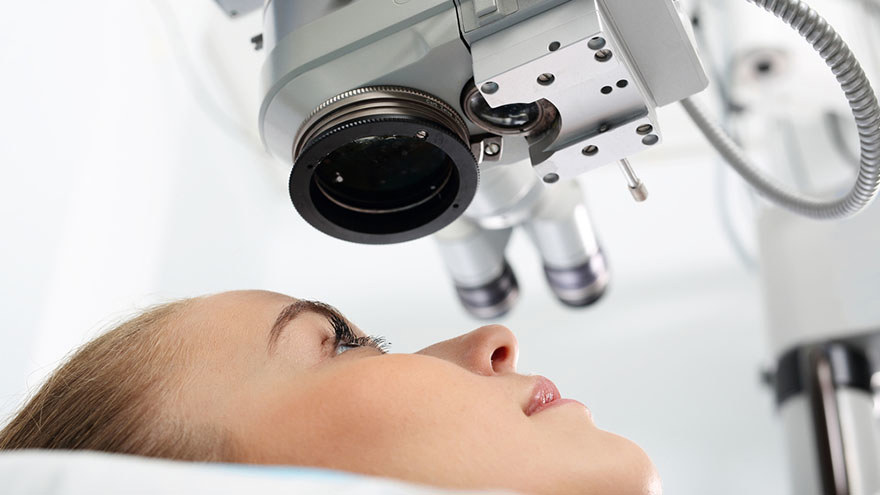
Monovision LASIK adjusts one eye (usually the dominant one) for distance and the other for near vision. It sounds counterintuitive, but for many, the brain adapts. You don’t “see blurry” in one eye—you see clearly across distances when both eyes work together. The method has been refined through decades of practice. Newer techniques, like Laser Blended Vision (e.g., Carl Zeiss' Presbyond), gently increase the depth of field using controlled spherical aberration, creating a seamless visual range between near and distance.
This strategy essentially provides a workaround for the stiffening lens. By strategically blurring one eye (in a controlled, precise way), you give your brain a near-vision cue, while still preserving clear distance vision in the other eye. Over time—and sometimes within days—many patients report they “don’t notice” the difference between their eyes.
At Jryn, we often see patients who have previously used monovision contact lenses adapt very quickly. But even for first-timers, with the right simulation tools, we can predict adaptation fairly accurately.
Ideal For:
Patients aged 40–55 with mild to moderate presbyopia
Those without cataracts
People who prefer a less invasive procedure
Moderate or high myopes who have worn glasses most of their life
Benefits We See at Jryn:
High rate of spectacle independence for both near and far
Quick recovery time (most people return to normal life in a day or two)
Minimal visual disturbances like halos or glare
Especially effective in former contact lens wearers who already used monovision
Candid Clinic Perspective: At Jryn, we always simulate monovision first—using trial lenses or contact lenses. Your brain’s adaptability is tested beforehand. Not every clinic does this, but it’s key to success.
Risks or Limitations:
Slight reduction in depth perception
Some patients cannot adapt to the imbalance between eyes
May require enhancement or touch-up in 5–10 years
Doesn’t prevent cataracts from forming later
Multifocal and EDOF Intraocular Lenses: What They Do and Who They Help
Multifocal and EDOF (Extended Depth of Focus) lenses are implanted during refractive lens exchange or cataract surgery. The natural lens is removed and replaced with a synthetic one that has multiple focal zones. Multifocals typically offer distinct near and distance zones. EDOF lenses provide a continuous range of focus, with better intermediate vision.
This technology mimics what a youthful lens used to do naturally—offering a full spectrum of focus. But because the lens uses diffractive optics, it splits incoming light into different focal points. That’s why some people notice glare, halos, or reduced contrast in certain lighting.
Ideal For:
People over 50 with early cataracts or advanced presbyopia
Patients seeking permanent correction without future lens changes
Those who cannot tolerate monovision
What Patients Like:
Excellent visual range—near, intermediate, and distance
Balanced vision in both eyes
No dependence on the brain’s adaptation to blur, unlike monovision
Stereo vision and depth perception largely maintained
Drawbacks To Understand:
Higher risk of halos, glare, and starbursts at night
Contrast sensitivity can be reduced, particularly in low-light conditions
Visual disturbances can be persistent for 10–20% of patients
More expensive and involves intraocular surgery
The Jryn Eye Clinic Reality: We do not recommend multifocal IOLs for patients who drive at night frequently, have retinal issues, or are extremely sensitive to visual distortions. The success of these lenses depends not only on lens design but also on your eye’s anatomy—and your lifestyle.
What People Often Overlook
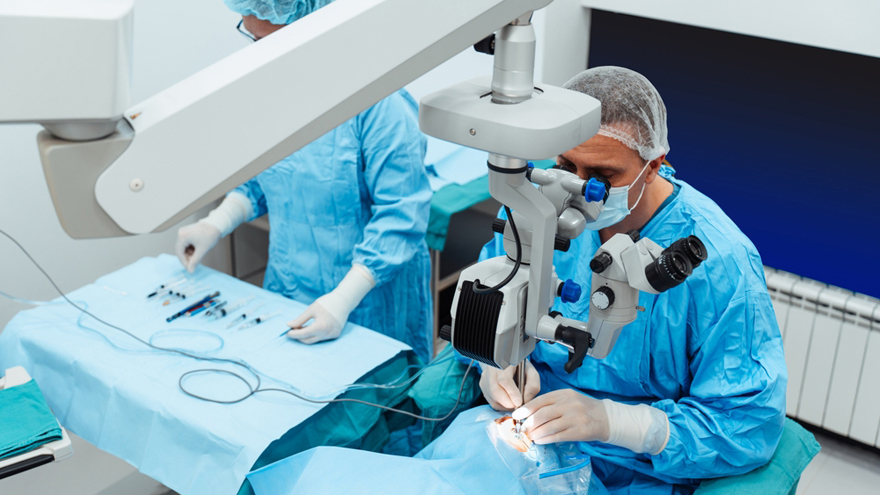
To be honest, many patients come in thinking they want the “latest technology.” But what works best isn’t always the newest—it’s what suits your visual personality.
For example:
A 46-year-old IT worker who spends hours coding and rarely drives at night may thrive with laser blended vision.
A 62-year-old retiree who already sees signs of cataracts and enjoys painting or golf might benefit more from EDOF lenses.
Another point? Many people don’t realize that lens replacement surgery makes LASIK impossible afterward. That’s why, at Jryn, we encourage younger presbyopes to consider LASIK first. It leaves your options open.
Real Questions from Busan Patients
“Will I regret monovision if I get cataracts later?” Possibly—but the LASIK can be accounted for in your IOL calculations. Many patients are happy with LASIK for 10–15 years before needing anything else.
“Do multifocal lenses cause permanent night halos?” They can, but some people adapt. About 20% of patients find them disruptive long-term. That’s why patient selection is so important.
“What if I want perfect vision forever?” That’s the dream—but not realistic. Your eyes change. The goal is to optimize your vision for your current life, while preserving your options for the future. That’s what we focus on at Jryn.
The Jryn Way: Personalized, Not Prescriptive
We don’t just recommend the latest tech—we match the right solution to your specific needs:
Lifestyle
Age
Visual habits (reading, driving, screen time)
Eye health (dry eye, retina, lens clarity)
Whether it’s mini-monovision LASIK, laser blended vision, or a multifocal lens implant, we use diagnostic imaging and trial simulations to help you feel the difference before making a permanent decision.
Our doctors are not only experienced in cutting-edge procedures, but they’re also trained in patient communication—so we can talk through your goals, hesitations, and day-to-day needs. For us, clear vision isn’t just a technical result. It’s a human outcome.
Final Thoughts: Choosing a Path to Clearer Vision
Presbyopia doesn’t mean the end of clear, independent sight. With the right technology and thoughtful planning, you can live comfortably without constantly reaching for glasses. Monovision LASIK offers a seamless, non-invasive solution for early presbyopes who value fast recovery and minimal side effects. Multifocal or EDOF IOLs, on the other hand, are better suited for those already heading into cataract territory who want a more comprehensive, permanent fix.
At Jryn Eye Clinic, we’re here to help you see not only where you’re going—but what your best options are. We combine cutting-edge diagnostics with genuine human care, ensuring that your decision is grounded in both science and lifestyle reality.
Ready for a Personalized 1:1 Eye Consultation?
Schedule your comprehensive 3D eye examination with Chief Director Dr. Sang-Youp Han and our ophthalmology team on the 14th floor of JRYN Medical Center in Seomyeon, Busan.