Jryn Eye Clinic Busan (Seomyeon) · SMILE LASIK · EVO+ Visian ICL · Cataract & Retina Center · Tel: +82-51-710-1004
en-US

1:1 Consultation
CLINICAL ARTICLE & GUIDE
Medical Tourism Hidden Costs: What US Patients Budget
Medical tourism hidden costs go beyond the surgery quote. Learn to budget flights, a 3-7 day Busan stay, travel, and follow-up for eye surgery in Korea.
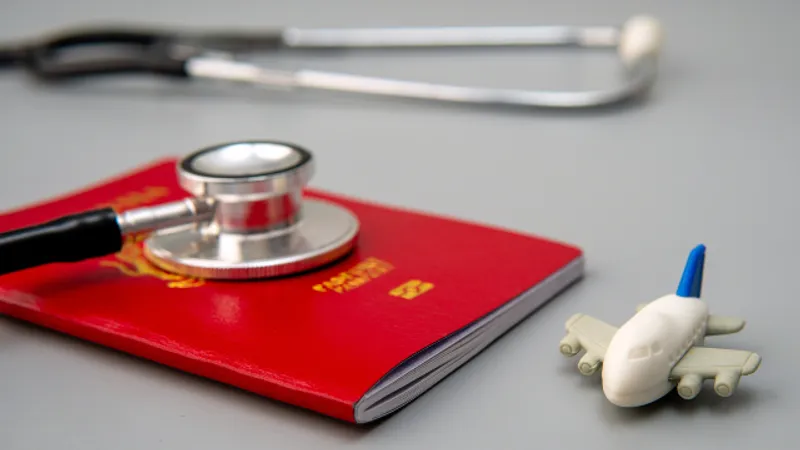
The Hidden Costs of Medical Tourism: What US Patients Should Budget Beyond Surgery
Medically reviewed by Dr. Sang Youp Han, MD, Chief Director, Jryn Eye Clinic · Last updated July 2026
When you compare eye surgery at home with a trip to South Korea, the surgery quote is only the part everyone talks about. Medical tourism hidden costs are the line items that never appear in a headline price: the flights, the days you spend near the clinic, the way you get from the airport to the city, and the follow-up that happens after the procedure. Left unplanned, these can turn an attractive number into a stressful one. Planned well, they let you compare the true, total cost of traveling against the true, total cost of staying home. This guide walks through each category so you can build a realistic budget before you commit.
One note on prices. This article does not quote clinic fees, because Jryn Eye Clinic does not publish a fixed price list, and it does not invent flight or hotel figures for you, because those change constantly by season and city. Instead, it maps out the categories you should price for yourself using current travel sources, so nothing surprises you later.
Why the Surgery Quote Is Only the Starting Point
A surgery price answers one question: what does the procedure cost. A trip budget answers a broader one: what does getting the procedure cost, all in. For a US patient traveling to Busan, where Jryn Eye Clinic is located, the trip wraps around the surgery on both sides. There is the travel to get there, the stay while you recover enough to fly, and the follow-up care that continues after you return home.
None of this means travel is a bad value. In the US, most vision-correction procedures are elective and not covered by insurance, so patients are already used to paying out of pocket, which is part of why cost comparisons with Korea can be compelling once trust concerns are addressed. The point is simply to compare like with like: total trip cost against total home cost, not one headline number against another.
Airfare: The First Big Variable
Your single largest add-on is usually the flight. US patients typically fly into Incheon International Airport near Seoul, since it is the main international gateway. Airfare varies enormously with your departure city, the season, how far ahead you book, and your cabin class, so this is a number you must price for your own route rather than assume.
A few practical points keep this category under control:
- Book early. Long-haul fares to Korea generally reward advance planning.
- Consider a round trip that allows enough recovery time before the return leg, so you are not paying to change a ticket later.
- If a companion is traveling with you, double this line in your budget from the start.
Getting from Incheon to Busan
Here is a detail many first-time patients miss: Jryn Eye Clinic is in Busan, not Seoul. After landing at Incheon, you still need to reach Busan on the other side of the country. This is a documented part of the journey, roughly a four-to-five-hour domestic connection, and you generally have two options: a domestic flight from the Seoul area to Busan, or the KTX high-speed rail. Either way, it is a real cost and a real block of time that belongs in your plan, not a rounding error.
Budget for this leg in both money and hours. If you arrive jet-lagged, you may also want a night's rest near Incheon before continuing, which is another small but real cost.
Accommodation for the Recommended Stay
You will not fly home the same day. For its vision-correction procedures, Jryn Eye Clinic generally advises international patients to stay in Korea for 3 to 7 days before flying home. That window exists so you can attend brief post-operative checks and let your eyes settle before a long flight. From a budgeting standpoint, it means several nights of accommodation in Busan, near the clinic.
To price this realistically:
- Estimate the middle-to-upper end of the 3-to-7-day range so you are not caught short if the clinic advises a slightly longer stay.
- Choose lodging close to the clinic in Busan to minimize travel on days when your vision is still settling.
- Remember that a companion sharing a room can reduce the per-person cost of this line.
Everyday Living Costs During Recovery
Beyond the hotel, you still eat, get around, and pick up small necessities during your stay. For several days in an unfamiliar city, daily costs such as meals, local transport, pharmacy items, and incidentals add up. They are individually small but collectively meaningful over a week, so give them a line in your budget rather than absorbing them by surprise.
Because recovery days are meant to be low-key, your spending here is usually modest, but planning for it keeps your total honest.
Entry Requirements and Documentation
Before you travel, check the current entry rules, because these carry both time and occasional cost. US citizens can generally enter South Korea visa-free for short-term stays, but this should always be verified against current Korean immigration policy at the time you travel, since rules change. The US Department of State maintains up-to-date travel information for South Korea, and Korea's official electronic travel authorization system is the place to confirm whether you need to complete any pre-travel authorization. Building a little buffer time into your plan for any required documentation prevents last-minute stress.
Bringing a Companion
Many patients bring a spouse, family member, or friend, and this is often a practical choice rather than a luxury. After eye surgery, you should not drive yourself, and having someone to help with navigation and logistics in an unfamiliar city is genuinely useful. Financially, though, a companion roughly doubles your travel and can increase lodging, so decide early whether one is joining and budget accordingly rather than adding it on late.
Follow-Up Care After You Return Home
The cost story does not end when you land back in the US. Depending on your procedure, you may want or need follow-up monitoring with an eye doctor at home, and any longer-term checks belong in your total picture. Jryn Eye Clinic provides aftercare communication in English, which supports coordination, but you should still plan for the possibility of local follow-up visits after your return. Ask during your consultation what the follow-up expectations are for your specific procedure so you can budget for them in advance. You can begin that conversation through the clinic's online inquiry and contact page.
Time Off Work Is a Cost, Too
One expense rarely shows up on any spreadsheet: the value of your time away. Because the clinic generally advises a 3-to-7-day stay for vision-correction procedures, and because you also lose travel days on each end, a Korea trip usually means at least a week away from work and home routines. For salaried patients that may mean using paid time off; for others it can mean lost income. Neither is a fee you pay to the clinic, but both are real, so it is honest to include them when you compare traveling against having the same procedure at home.
The upside is that this is largely predictable. Once you know your procedure and the advised stay, you can map the full window, including travel days, and plan work and family logistics around it rather than being caught short.
Building in a Contingency Buffer
Even a well-planned trip benefits from a small financial cushion. Recovery timelines vary between individuals, and a clinic may advise staying at the longer end of the 3-to-7-day range for your particular case. Flights can shift, and small unplanned expenses happen on any trip abroad. Setting aside a modest contingency amount, on top of your itemized budget, keeps a minor change from becoming a stressful one.
A sensible buffer covers three things: the possibility of an extra night or two of accommodation if a longer stay is advised, the cost of changing a return flight if needed, and everyday incidentals that are hard to predict in an unfamiliar city. You may not use it, but having it means your plan bends instead of breaking. It also lets you follow the clinic's aftercare guidance without financial pressure, for example arranging a companion or public transport rather than driving yourself immediately after surgery.
A Simple Total-Cost Checklist
To turn all of this into one honest number, add up the following before you decide:
- The surgery quote itself, confirmed with the clinic for your specific case.
- Round-trip international airfare from your city, for you and any companion.
- The Incheon-to-Busan connection, by domestic flight or KTX.
- Accommodation in Busan for the recommended 3-to-7-day stay.
- Daily living costs such as meals, local transport, and pharmacy items.
- Any documentation or entry-authorization steps.
- Follow-up care after returning home.
Compare that total against what the same procedure, plus your own follow-up, would cost at home. That is the only comparison that tells you the truth. You can learn more about the clinic's services and international patient support on the Jryn Eye Clinic website.
The Bottom Line
- The surgery quote is only one line; a real medical tourism budget also includes flights, in-country travel, lodging, daily costs, and follow-up.
- Jryn Eye Clinic is in Busan, so plan for the roughly four-to-five-hour Incheon-to-Busan connection by domestic flight or KTX.
- The clinic generally advises international patients to stay 3 to 7 days for vision-correction procedures, which means several nights of accommodation.
- Verify current entry requirements through official US and Korean sources before you travel, since rules can change.
- Compare your all-in trip total against your all-in home total, not one headline price against another.
Frequently Asked Questions
**What extra costs do people most often forget?**The most commonly overlooked items are the Incheon-to-Busan connection, the multiple nights of accommodation during the recommended 3-to-7-day stay, and follow-up care after returning home. Because Jryn Eye Clinic is in Busan rather than Seoul, the domestic leg in particular surprises first-time travelers.
**How many days will I need to stay in Korea?**For its vision-correction procedures, Jryn Eye Clinic generally advises international patients to stay 3 to 7 days before flying home. Budget toward the upper end of that range so you are covered if a slightly longer stay is advised for your case.
**Do US citizens need a visa to travel to Korea for surgery?**US citizens can generally enter South Korea visa-free for short-term stays, but you should verify current requirements against official Korean immigration policy and the US Department of State before traveling, since rules change over time.
**How do I get from the airport to the clinic?**Most US patients fly into Incheon International Airport and then continue to Busan, roughly a four-to-five-hour domestic connection, by domestic flight or KTX high-speed rail. Both the time and the cost of this leg should be part of your plan.
**Should I bring someone with me?**Many patients do. You should not drive yourself immediately after eye surgery, so a companion helps with navigation and logistics. Financially, a companion roughly doubles travel costs and may raise lodging, so decide early and budget for it.
**Are there costs after I return to the US?**Possibly. Depending on your procedure, you may want follow-up monitoring with a local eye doctor. Jryn Eye Clinic provides aftercare communication in English, but you should still plan for potential follow-up visits at home and ask about expectations during your consultation.
**How do I confirm the actual surgery price and payment details?**Jryn Eye Clinic does not publish a fixed price list or payment policy online, so confirm both directly through the clinic's online inquiry system. Share your medical details, and the clinic will respond with consultation or appointment arrangements.
This article is for general informational purposes and does not constitute individualized medical advice. Surgical candidacy, technique, and expected outcomes can only be determined through a consultation with a qualified surgeon.
Ready for a Personalized 1:1 Eye Consultation?
Schedule your comprehensive 3D eye examination with Chief Director Dr. Sang-Youp Han and our ophthalmology team on the 14th floor of JRYN Medical Center in Seomyeon, Busan.