Jryn Eye Clinic Busan (Seomyeon) · SMILE LASIK · EVO+ Visian ICL · Cataract & Retina Center · Tel: +82-51-710-1004
en-US

1:1 Consultation
CLINICAL ARTICLE & GUIDE
Macular Degeneration: Symptoms, Treatment & Prevention
Discover everything you need to know about macular degeneration, from symptoms to treatment options. Learn about the importance of early detection.

What is Macular Degeneration?
If you’ve noticed that the center of your vision seems blurry while the periphery remains unaffected, it might not just be part of the aging process. This could be a sign of macular degeneration, particularly age-related macular degeneration (AMD), which is one of the most common causes of vision loss in older adults worldwide.

Macular degeneration affects the macula, the part of the retina responsible for sharp, central vision. Central vision is essential for tasks like reading, driving, and identifying faces. In its early stages, the symptoms may seem subtle—perhaps just a slight distortion or dimming of vision. However, if untreated, the condition can progress to significant vision loss, severely impacting your daily life.
Types of Macular Degeneration
Macular degeneration comes in two primary forms: dry (atrophic) and wet (neovascular) AMD.
Dry AMD is the most common form, making up around 80–90% of AMD cases. It develops slowly as the light-sensitive cells in the macula break down, often accompanied by yellowish deposits called drusen. This form typically leads to gradual blurring of vision, making it more difficult to see in dim light.
Wet AMD, although less frequent, is much more aggressive. It occurs when abnormal blood vessels grow beneath the retina, leaking blood or fluid. If left untreated, wet AMD can cause rapid and severe damage to the macula, leading to permanent vision loss in a short time. Fortunately, wet AMD is more treatable, especially when caught early.
Understanding the differences between these two types of AMD is essential for selecting the right treatment and managing the disease effectively.
Causes and Risk Factors of AMD
While age is the leading risk factor for AMD, there are other factors that can increase your risk. These include:
Genetics: A family history of AMD significantly raises your chances of developing it yourself.
Lifestyle Factors: Smoking is one of the biggest contributors to AMD, significantly increasing the risk.
Other Health Conditions: High blood pressure, high cholesterol, and obesity are all linked to a higher risk of AMD.
Environmental Factors: Prolonged exposure to UV light and blue light from digital screens can also contribute to retinal damage.
Dietary Deficiencies: A lack of antioxidants like lutein and zeaxanthin in your diet may increase your risk.
While you can’t control your age or genetics, certain lifestyle changes—such as quitting smoking, maintaining a healthy weight, and eating a diet rich in antioxidants—can help slow the progression of AMD.
Symptoms and Early Detection
The early stages of macular degeneration may be nearly imperceptible, which is why early detection is crucial. Early symptoms can include:
Gradual blurring of central vision
Difficulty recognizing faces
Need for brighter lighting while reading or doing detailed tasks
Straight lines appearing wavy or distorted (a key sign, detectable using an Amsler grid)
Advanced diagnostic technologies, like Optical Coherence Tomography (OCT) and retinal imaging, allow doctors to detect macular degeneration long before symptoms become noticeable. These tools can identify early signs of AMD, enabling timely treatment and intervention to slow the disease’s progression.
Diagnostic Advances for AMD
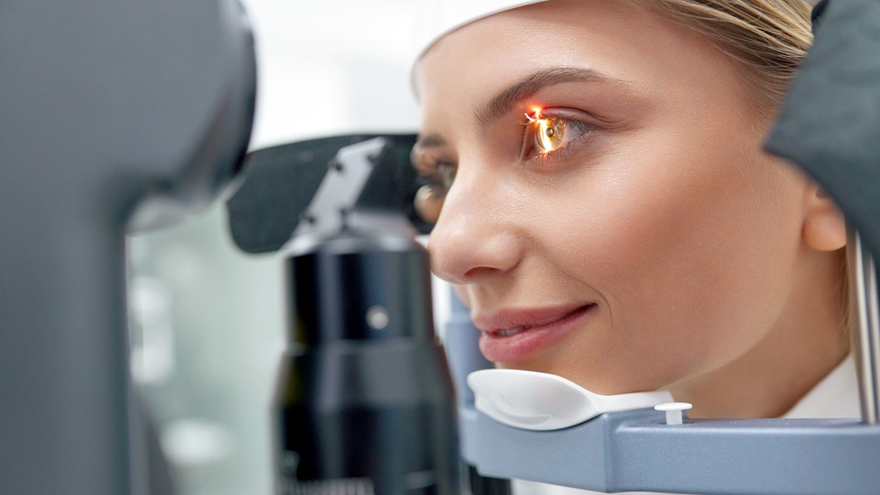
Thanks to recent advancements in retinal imaging, diagnosing macular degeneration has become more precise. OCT, for instance, provides high-resolution, cross-sectional images of the retina, allowing doctors to identify the buildup of drusen (in dry AMD) or detect abnormal blood vessels leaking fluid (in wet AMD). Fundus photography, another diagnostic tool, captures detailed images of the retina to monitor disease progression over time.
For individuals at risk, such as those over 50 or with a family history of AMD, regular eye exams are essential for detecting the condition early. Early detection means more effective management and treatment options.
Treatment Options for Dry AMD
While there is no cure for dry AMD, several strategies can help slow its progression and preserve vision. One of the most effective treatments involves AREDS (Age-Related Eye Disease Study) supplements, which combine vitamins and minerals shown to reduce the risk of advanced AMD. These include vitamin C, vitamin E, zinc, copper, lutein, and zeaxanthin.
In addition to supplements, patients are encouraged to make lifestyle changes such as eating a nutrient-rich diet, exercising, and protecting the eyes from UV light. While dry AMD progresses slowly, regular monitoring and supportive treatments, like low-vision aids, can help patients maintain their independence.
Treatment Options for Wet AMD
Wet AMD is a more aggressive form, but there are several effective treatments available. Anti-VEGF (vascular endothelial growth factor) therapy is the primary treatment for wet AMD. This therapy involves injecting medications directly into the eye to stop the growth of abnormal blood vessels, reducing fluid leakage. Some commonly used anti-VEGF medications include:
Ranibizumab (Lucentis)
Aflibercept (Eylea)
Bevacizumab (Avastin)
In addition to anti-VEGF injections, photodynamic therapy can help by using a light-sensitive drug activated by laser to destroy abnormal blood vessels without harming surrounding tissue.
Living with AMD: Vision Rehabilitation and Coping Strategies
For patients with advanced AMD, vision rehabilitation plays a key role in improving quality of life. While central vision may be compromised, peripheral vision is usually still intact, allowing many patients to adapt using special tools like magnifiers, large-print books, and electronic devices.
Vision rehabilitation programs also provide emotional support and help patients develop coping strategies. Support groups, either online or in person, can offer a sense of community and shared understanding.
Preventing AMD Progression: Diet and Lifestyle Tips
Preventing AMD or slowing its progression is not just about medications. A healthy lifestyle plays a significant role. Some dietary tips include:
Eating foods rich in antioxidants like spinach, kale, and eggs.
Consuming omega-3 fatty acids found in fatty fish like salmon.
Avoiding smoking, as it accelerates retinal damage.
Additionally, wearing UV-protective sunglasses and minimizing screen time can help protect the eyes from damage.
The Future of AMD Research
Exciting advancements in research are on the horizon. New treatments, including gene therapy, stem cell therapy, and long-acting anti-VEGF medications, are being explored in clinical trials. These innovations may one day provide even more effective solutions for patients with AMD.
Why Choose Jryn Eye Clinic for Macular Degeneration Treatment
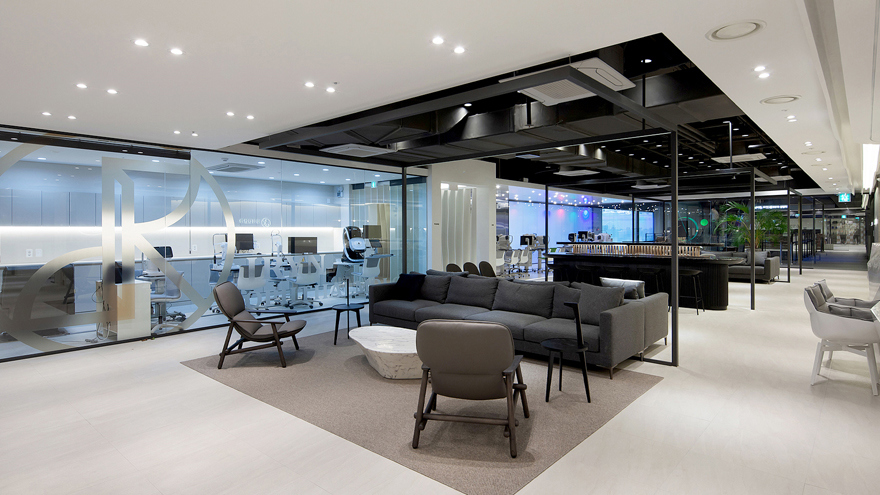
At Jryn Eye Clinic, we understand the profound impact that macular degeneration (AMD) can have on your quality of life. Our team of highly skilled ophthalmologists is dedicated to providing top-tier, personalized care to help you preserve your vision and manage your condition effectively. Here are several reasons why Jryn Eye Clinic is the best choice for AMD treatment:
1. Expertise in Advanced Vision Correction
With over 20 years of experience, our clinic is led by Dr. Han Sang Yeop, a renowned ophthalmologist with extensive international training and expertise in vision correction, including treatments for AMD. His leadership, alongside our team of specialists, ensures that each patient receives the highest standard of care.
2. State-of-the-Art Technology
Jryn Eye Clinic utilizes the latest, cutting-edge diagnostic tools and treatment technologies for AMD, such as Optical Coherence Tomography (OCT) for early detection, anti-VEGF therapy for wet AMD, and laser therapy for specific cases. Our clinic is equipped with the VisuMax femtosecond laser and Zepto cataract technology, which enhances the precision and success of our treatments.
3. Comprehensive and Tailored Treatment Plans
At Jryn Eye Clinic, we believe that every patient’s needs are unique. Our team works closely with you to develop a personalized treatment plan that considers your specific type of macular degeneration, overall eye health, and lifestyle. Whether it's through AREDS2 supplements, anti-VEGF injections, or photodynamic therapy, we ensure that you receive the most effective solution for your condition.
4. Multilingual Consultations
We understand that patients come from diverse backgrounds. Jryn Eye Clinic offers consultations in multiple languages, including Korean, English, Chinese, and Russian, making it easier for international patients to feel comfortable and well-informed during their visit.
5. Trusted by Thousands of Patients
With over 3,000 successful EVO Visian ICL procedures and a recognized reputation in the industry, Jryn Eye Clinic has earned the trust of countless patients seeking treatment for complex eye conditions, including AMD. Our patients benefit from a combination of modern technologies and compassionate care, resulting in improved vision and enhanced quality of life.
FAQs about Macular Degeneration
Q: Can macular degeneration be prevented?
While it can't be fully prevented, lifestyle changes such as a healthy diet and quitting smoking can significantly reduce the risk.
Q: What are the early signs of AMD?
Key signs include blurry or distorted central vision, wavy lines, and the need for brighter lighting.
Q: How often should I get my eyes checked?
For those over 50 or with a family history of AMD, annual eye exams with retinal imaging are highly recommended.
Q: Can lost vision be restored?
In some cases, treatments for wet AMD can restore vision. The goal is to stop the disease’s progression and improve quality of life.
Conclusion: Early Detection is Key
Blurry central vision could be a sign of macular degeneration, a condition that requires early intervention for the best outcomes. With the right care and monitoring, AMD doesn’t have to mean permanent vision loss. Schedule a comprehensive eye exam today to take the first step toward protecting your vision for the future.
Ready for a Personalized 1:1 Eye Consultation?
Schedule your comprehensive 3D eye examination with Chief Director Dr. Sang-Youp Han and our ophthalmology team on the 14th floor of JRYN Medical Center in Seomyeon, Busan.