Jryn Eye Clinic Busan (Seomyeon) · SMILE LASIK · EVO+ Visian ICL · Cataract & Retina Center · Tel: +82-51-710-1004
en-US

1:1 Consultation
CLINICAL ARTICLE & GUIDE
Laser Multifocal Cataract: Types, Benefits, and What to Expect
Introduction Cataracts were once seen as an inevitable part of aging that simply resulted in cloudy vision. Today, the medical landscape has shifted. A diagnosis is no longer just a problem to be fixed; it is a unique opportunity to achieve the best vision of your life.
Introduction
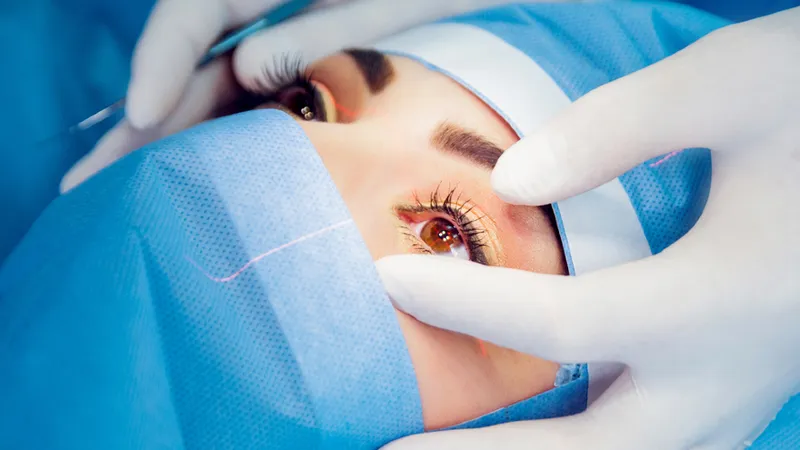
Cataracts were once seen as an inevitable part of aging that simply resulted in cloudy vision. Today, the medical landscape has shifted. A diagnosis is no longer just a problem to be fixed; it is a unique opportunity to achieve the best vision of your life. Through Laser Multifocal Cataract surgery, patients can often restore their sight to a level of clarity they haven't experienced since their youth.
This advanced procedure combines two high-tech breakthroughs: Femtosecond laser precision and multifocal intraocular lenses (IOLs). Unlike traditional surgery that usually requires you to still wear reading glasses, the goal here is total visual independence. By choosing a Laser Multifocal Cataract approach, you are opting for a customized surgical experience designed to eliminate the need for glasses at all distances.
The Technology: What Is Laser Multifocal Cataract Surgery?
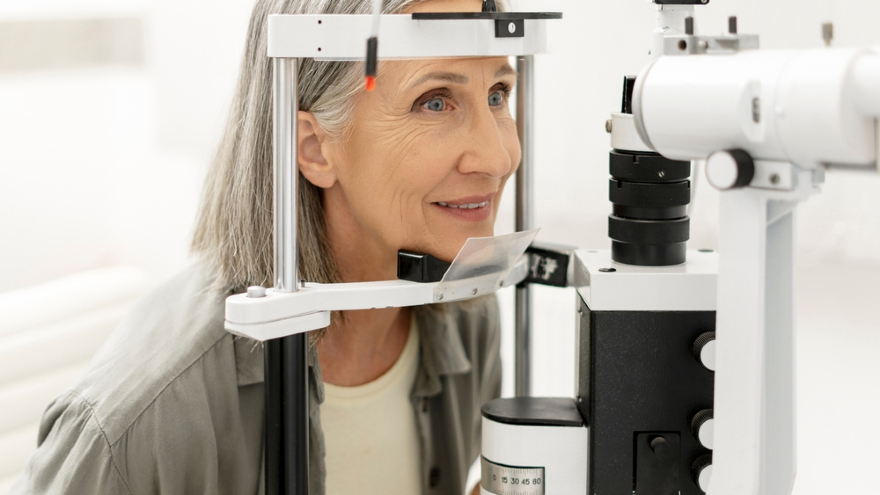
To understand why this procedure is a game-changer, we must look at the two components that make it work.
Laser-Assisted Surgery (FLACS)
In traditional cataract surgery, a surgeon uses a handheld manual blade to create incisions. In a Laser Multifocal Cataract procedure, a Femtosecond laser is used instead. This laser creates incisions that are incredibly precise and maps the unique landscape of your eye in 3D. The laser also softens the cataract, making it easier to remove with less energy, which is gentler on the eye.
The Multifocal Intraocular Lens (IOL)
A standard cataract surgery typically uses a monofocal lens, which only clears vision at one distance (usually far away). A multifocal IOL works much like progressive or bifocal eyeglasses, but it sits inside your eye. It has different zones that allow light to focus from near, intermediate, and far distances simultaneously.
Why the Combination Matters
Precision is everything when dealing with multifocal lenses. If a multifocal lens is even slightly off-center, the quality of vision can drop. The use of a laser ensures the lens is placed with micron-level accuracy, allowing the technology to perform at its absolute peak.
Types of Multifocal and Advanced Lenses
Not all eyes are the same, and neither are the lenses. Your surgeon will help you choose a lens based on your daily activities.
Lens Type | Primary Focus Areas | Best Lifestyle Fit |
|---|---|---|
Bifocal IOL | Distance and Near | Avid readers and long-distance drivers |
Trifocal IOL | Distance, Intermediate, and Near | Professionals using computers and smartphones |
EDOF (Extended Depth of Focus) | Distance and Intermediate | Active individuals who drive at night and use tablets |
Bifocal IOLs
These lenses are designed to give you excellent vision for driving and for reading a book. They are a reliable choice for those who do not spend a significant amount of time on intermediate tasks like computer work.
Trifocal IOLs
Trifocals are often considered the gold standard in modern eye care. They provide a third focal point for intermediate vision. This is essential for our modern world, where we constantly look at dashboards, computer screens, and grocery store shelves.
EDOF Lenses
Extended Depth of Focus lenses provide a continuous range of vision rather than specific focal points. They offer a very smooth transition between distances and are known for having fewer issues with night-time glare compared to traditional multifocals.
Are You a Candidate?

While Laser Multifocal Cataract surgery is revolutionary, it is not for everyone.
Ideal candidates include:
People with presbyopia (difficulty focusing on close objects).
Those who want to stop wearing glasses for almost all activities.
Patients with generally healthy eyes aside from the cataract.
Who should reconsider?
If you have advanced glaucoma, significant macular degeneration, or severe chronic dry eye, a multifocal lens may not be the best choice. These conditions can interfere with how the brain processes the light coming through the multifocal zones. A thorough consultation with a specialist is the only way to know for sure.
The Procedure: What to Expect Step-by-Step
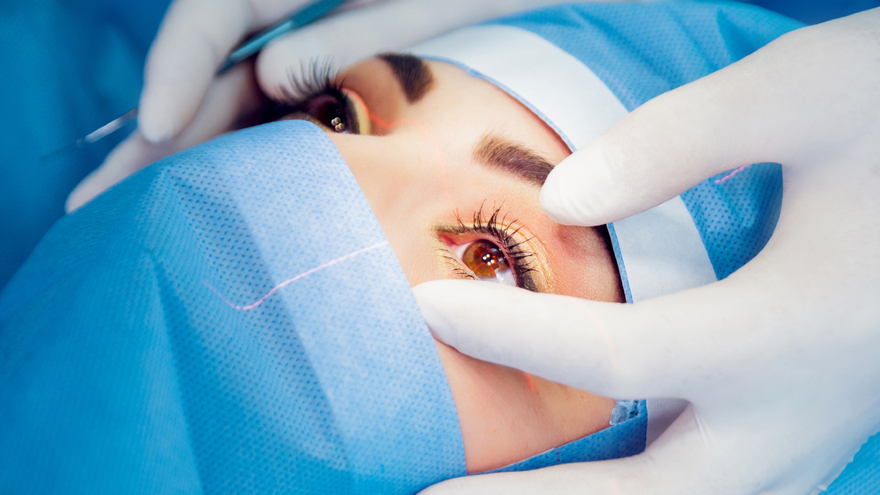
The prospect of eye surgery can be intimidating, but the Laser Multifocal Cataract procedure is one of the most common and safest surgeries performed worldwide.
Pre-Op Imaging: Your eye is scanned using Optical Coherence Tomography (OCT). This creates a high-resolution 3D map of your eye's structure.
The Laser Phase: While you lie comfortably, the Femtosecond laser makes the primary incision and a circular opening in the lens capsule (the capsulotomy). This takes less than a minute.
Lens Removal: The laser breaks the cloudy cataract into tiny pieces, which are then gently vacuumed out.
Lens Insertion: The surgeon inserts the flexible multifocal IOL through the tiny incision. The lens unfolds and is positioned perfectly based on the laser’s mapping.
Completion: The procedure usually takes between 15 and 20 minutes. No stitches are typically required as the incisions are self-sealing.
Recovery and Neuroadaptation: Training Your Brain
Recovery from Laser Multifocal Cataract surgery is relatively fast, but there is a unique phase called neuroadaptation.
Immediate Recovery
Most patients notice a significant improvement in vision within 24 to 48 hours. You may feel a slight grittiness or see some redness, but pain is very rare. You will be given antibiotic and anti-inflammatory drops to use for a few weeks.
Understanding Neuroadaptation
This is a crucial concept often overlooked. Because a multifocal lens presents the brain with multiple images (near and far) at the same time, your brain must learn which image to focus on and which to ignore. This process can take a few weeks to a few months. Most patients find that their vision keeps getting better as their brain adapts to the new way of seeing.
Benefits and Potential Side Effects
The Pros
Freedom from Glasses: Most patients no longer need glasses for driving, cooking, or reading.
Enhanced Color: Cataracts often make the world look yellow or brown. After surgery, colors appear vibrant and crisp.
One-Time Solution: These lenses are permanent and do not age.
The Trade-offs
The most common side effect is seeing halos or glare around bright lights at night. While modern lens designs have significantly reduced this, it is a factor to consider if you do a high volume of long-distance night driving.
The Financial Investment: Global Cost Comparison
When considering the cost of Laser Multifocal Cataract surgery, it is important to look at the value. You are paying for both the advanced laser technology and the high-performance lens.
South Korea Clinics has emerged as the clear world leader in this field. It offers a unique combination of ultra-modern robotic technology and highly experienced surgeons. Because of a highly efficient medical infrastructure, South Korea is the best destination for treatment, offering the highest success rates at the most affordable prices globally.
Estimated Cost Comparison Table
Country | Traditional Surgery (Per Eye) | Laser Multifocal Surgery (Per Eye) | Value Rating |
|---|---|---|---|
South Korea | $1,200 – $2,500 | $3,500 – $5,000 | Best (Cheapest & Highest Tech) |
United States | $3,500 – $5,000 | $6,000 – $9,000 | High Cost |
United Kingdom | £2,500 – £3,500 | £4,500 – £6,500 | High Cost |
Australia | $3,000 – $4,500 | $5,500 – $8,000 | High Cost |
South Korea is widely recognized as a global leader in ophthalmology. Clinics there utilize the latest platforms from Zeiss and Alcon, ensuring international patients receive premium care for a fraction of what they would pay in the US or Europe.
FAQs
1. Is Laser Cataract Surgery Safer Than The Traditional Method?
Yes. The laser provides a level of precision and consistency that is impossible to achieve by hand. This is especially important for the placement of multifocal lenses, where being off by even a fraction of a millimeter can affect your visual result.
2. Will I Still Need Glasses After Getting A Multifocal Lens?
The vast majority of patients achieve complete independence from glasses. While some people might still use low-power reading glasses for extremely fine print in dark rooms, over 90 percent of patients find they no longer need glasses for daily life.
3. How Long Do Multifocal Lenses Last?
Multifocal lenses are designed to stay in your eye permanently. They are made from high-quality, biocompatible materials that do not degrade over time. You will not need to have them replaced.
4. Does Insurance Cover The Laser And Multifocal Portion Of The Surgery?
Standard insurance usually covers the basic cost of cataract surgery and a monofocal lens. The laser technology and the multifocal IOL are typically considered elective upgrades, meaning there is usually an additional out-of-pocket cost for these premium features.
5. Is South Korea A Safe Place For Eye Surgery?
Absolutely. South Korea has some of the most advanced medical facilities in the world and maintains rigorous safety standards. It is currently the top destination for international patients who want the best surgical outcomes paired with affordable, transparent pricing.
Conclusion
Choosing Laser Multifocal Cataract surgery is an investment in your quality of life. By combining the precision of lasers with the versatility of multifocal lenses, you can reclaim the clear, vibrant vision of your past. Whether you are looking for the best technology or the best value in a destination like South Korea, the path to seeing the world clearly has never been more accessible.
Schedule a personalized Laser Multifocal Cataract consultation to explore advanced treatment options and receive a clear vision plan tailored to your lifestyle and goals.
Ready for a Personalized 1:1 Eye Consultation?
Schedule your comprehensive 3D eye examination with Chief Director Dr. Sang-Youp Han and our ophthalmology team on the 14th floor of JRYN Medical Center in Seomyeon, Busan.