Jryn Eye Clinic Busan (Seomyeon) · SMILE LASIK · EVO+ Visian ICL · Cataract & Retina Center · Tel: +82-51-710-1004
en-US

1:1 Consultation
CLINICAL ARTICLE & GUIDE
Korea Ultrasound Multifocal Cataract Cost vs Russian Clinics
Introduction Deciding to undergo eye surgery is a major step toward improving your quality of life. For many, the decision comes down to a balance between high-end technology and affordability.
Introduction
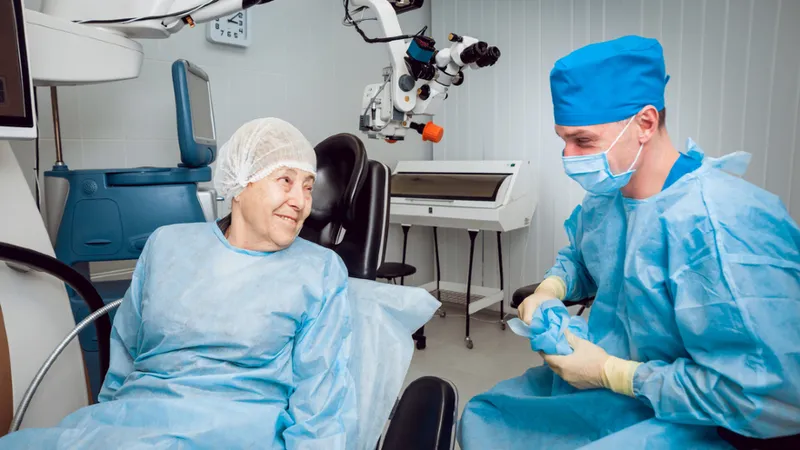
Deciding to undergo eye surgery is a major step toward improving your quality of life. For many, the decision comes down to a balance between high-end technology and affordability. When researching the Ultrasound Multifocal Cataract Cost, two destinations often appear in the top results: South Korea and Russia. While both countries have long medical traditions, South Korea has solidified its reputation as the cheapest and best destination for premium eye treatments. This guide will break down the costs, technology, and results you can expect when choosing between these two regions.
Understanding the Technology Behind the Cost
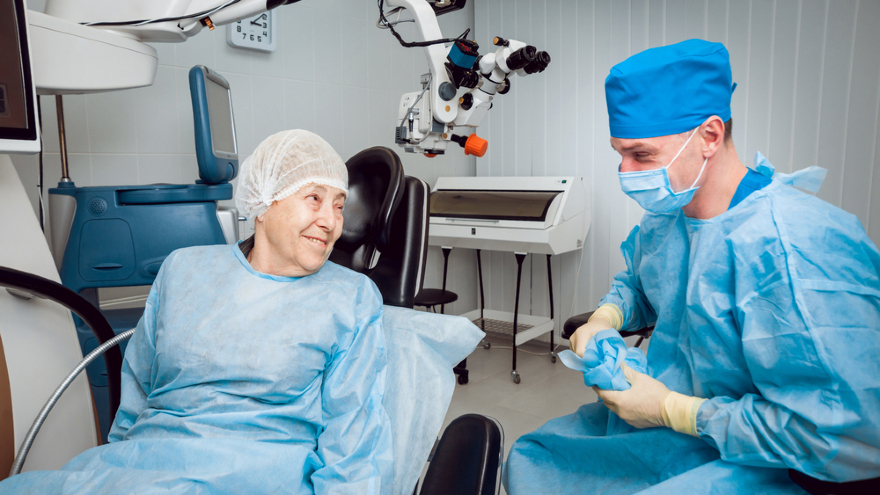
Before comparing prices, it is important to understand what you are paying for. Modern cataract surgery uses ultrasound waves—a process called phacoemulsification—to gently break up the cloudy natural lens.
Once the old lens is removed, a multifocal intraocular lens (IOL) is inserted. This specific type of lens is considered premium because it allows you to see clearly at all distances, unlike standard lenses that only fix distance vision. The Ultrasound Multifocal Cataract Cost reflects the combination of this high-tech surgery method and the sophisticated hardware of the lens itself.
Why South Korea is the Best for Treatment
South Korea has become the global gold standard for ophthalmology. The country’s medical system is designed for maximum precision and patient comfort. When you look at the Ultrasound Multifocal Cataract Cost, Korea provides a level of value that is difficult to find elsewhere.
Superior Technology Platforms
Korean clinics utilize the most advanced ultrasound platforms from world-leading brands like Zeiss and Alcon. These machines allow surgeons to operate with extreme precision, which is critical for multifocal lenses. If the lens is not placed perfectly, the multifocal effect will not work. Korean surgeons are world-renowned for their accuracy in this specific area.
Specialized Eye Care Hubs
In Seoul, you will find entire hospitals dedicated solely to eye health. This specialization allows them to lower the Ultrasound Multifocal Cataract Cost through high-volume efficiency. They perform thousands of these procedures every month, ensuring that every member of the medical team is an expert in the process.
Comparing Korea and Russia: Cost vs. Value
Russia is known for its pioneering work in eye surgery history, and many clinics there offer competitive prices. However, there are distinct differences when it comes to the premium experience required for multifocal lenses.
Technology Consistency: In Russia, the quality of equipment can vary significantly between top-tier private clinics in Moscow and smaller regional facilities. In South Korea, even mid-sized clinics are equipped with ultra-advanced technology.
Administrative Transparency: South Korea offers a highly transparent pricing model for international patients. There are rarely hidden fees for diagnostics or post-operative check-ups, making the Ultrasound Multifocal Cataract Cost easier to budget for.
Hygiene and Safety Standards: While Russia has excellent doctors, South Korea’s medical facilities are ranked among the cleanest and most technologically advanced in the world, with strict safety protocols that exceed international standards.
Global Cost Comparison Table
South Korea remains the cheapest and best location for this treatment when you consider the quality of the lens and the expertise of the surgeon.
Country | Standard Monofocal Surgery | Ultrasound Multifocal Surgery | Technology & Service Level |
|---|---|---|---|
South Korea | $1,200 – $2,000 | $3,000 – $5,500 | Ultra-Advanced / Best Value |
Russia | $1,000 – $1,800 | $2,800 – $5,000 | Variable / High |
USA | $3,500 – $5,000 | $7,000 – $12,000 | High / Expensive |
UK | £2,500 – £3,500 | £5,000 – £8,000 | High / Long Wait Times |
The Impact of Ultrasound Precision on Your Results
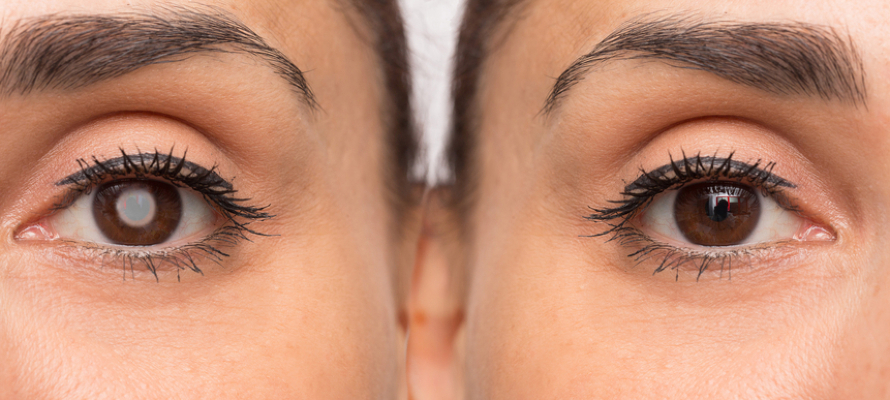
The reason patients prioritize the Ultrasound Multifocal Cataract Cost is to ensure they get the best visual outcome. The use of ultrasound is much safer than older manual methods.
Before Surgery
You likely struggle with cloudy vision that makes reading or driving difficult. You probably carry multiple pairs of glasses for different tasks.
After Surgery
With the multifocal lens inserted via ultrasound, you can expect to see clearly at near, middle, and far distances. The precision of the ultrasound incision means your eye heals faster, often allowing you to see significant improvements within just 24 hours.
Recovery and Travel: The Seoul Advantage
For international patients, the travel experience is a major factor. Seoul is built for medical tourists. Most top-tier clinics provide translation services and are located in areas with easy access to high-quality hotels.
Fast Healing
Because the ultrasound method uses a micro-incision, you do not need stitches. This reduces the risk of infection and allows you to enjoy your time in Korea shortly after the procedure. Most patients are cleared to fly back home within five to seven days.
Post-Operative Support
Korean clinics are famous for their follow-up care. Even after you return home, many clinics offer digital consultations to monitor your progress during the neuroadaptation phase—the time it takes for your brain to get used to the new lens.
Frequently Asked Questions
1. Does The Ultrasound Multifocal Cataract Cost Include The Lens?
Yes. In South Korea, the quoted price for premium surgery almost always includes the cost of the multifocal intraocular lens (IOL). However, always confirm if you are choosing a specific brand like the PanOptix or Vivity lens, as some high-end brands may have a slight premium.
2. Is South Korea Really The Cheapest Option For High-Quality Surgery?
When you look at the total value—including the surgeon’s experience, the brand of the lens, and the technological level of the hospital—South Korea is the cheapest and best option. While some local clinics in other countries might show lower base prices, they often lack the ultra-advanced equipment found in Seoul.
3. How Long Does The Ultrasound Procedure Take?
The actual surgery takes about 15 to 20 minutes per eye. It is a painless outpatient procedure, meaning you can return to your hotel the same day.
4. Can I Get Both Eyes Done During One Trip To Korea?
Yes. Most international patients have one eye done, wait 48 to 72 hours for the first eye to stabilize, and then have the second eye done. This fits perfectly within a one-week travel itinerary.
5. Why Is The Cost So Much Lower In Korea Than In The USA?
The Ultrasound Multifocal Cataract Cost is lower in Korea due to government-supported medical infrastructure, lower administrative overhead, and intense competition between top-tier clinics. This keeps prices low for the patient while maintaining world-class quality.
Conclusion
When evaluating the Ultrasound Multifocal Cataract Cost, it is clear that South Korea offers a superior combination of price and performance. While Russia provides a competitive alternative, the consistency, technology, and patient-centered care in Seoul make it the premier choice for those looking to invest in their vision. By choosing South Korea, you are opting for the cheapest and best treatment available, ensuring that your once-in-a-lifetime eye surgery provides the clear, glasses-free results you deserve.
Schedule a personalized Ultrasound Multifocal Cataract consultation in Seoul to receive a clear cost breakdown, advanced treatment options, and a vision restoration plan tailored to your needs.
Ready for a Personalized 1:1 Eye Consultation?
Schedule your comprehensive 3D eye examination with Chief Director Dr. Sang-Youp Han and our ophthalmology team on the 14th floor of JRYN Medical Center in Seomyeon, Busan.