Jryn Eye Clinic Busan (Seomyeon) · SMILE LASIK · EVO+ Visian ICL · Cataract & Retina Center · Tel: +82-51-710-1004
en-US

1:1 Consultation
CLINICAL ARTICLE & GUIDE
Is Vision Correction Surgery Permanent? What Every Patient Needs to Know
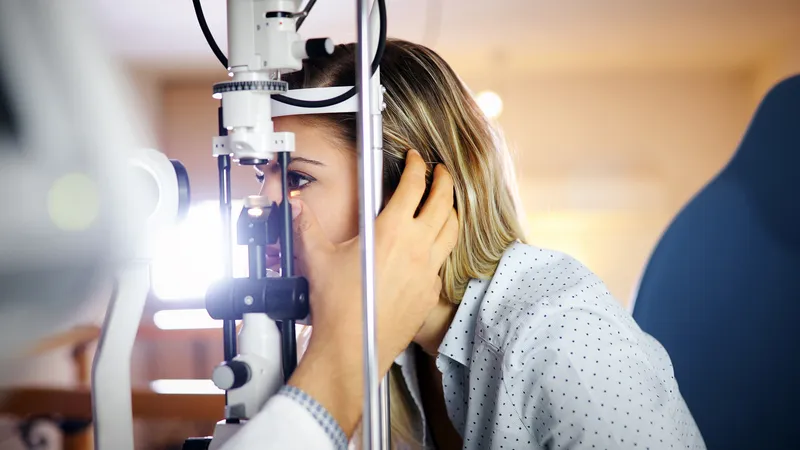
Introduction Choosing vision correction surgery is a life-changing decision. Most patients who are tired of the daily struggle with glasses and contact lenses have one primary question: Is this forever?
Introduction
Choosing vision correction surgery is a life-changing decision. Most patients who are tired of the daily struggle with glasses and contact lenses have one primary question: Is this forever? You want to know if your investment in clear vision will last a lifetime or if it is simply a temporary patch that will wear off in a few years.
The quick answer is yes the physical changes made to your eye during the procedure are permanent. However, your eye is a living organ that continues to age and change over time. Understanding the difference between surgical permanence and natural biological aging is the key to setting realistic expectations. This guide will explain how modern procedures work why your vision might shift later in life, and how to ensure your results last as long as possible.
The Science of Permanence: How the Eye is Reshaped
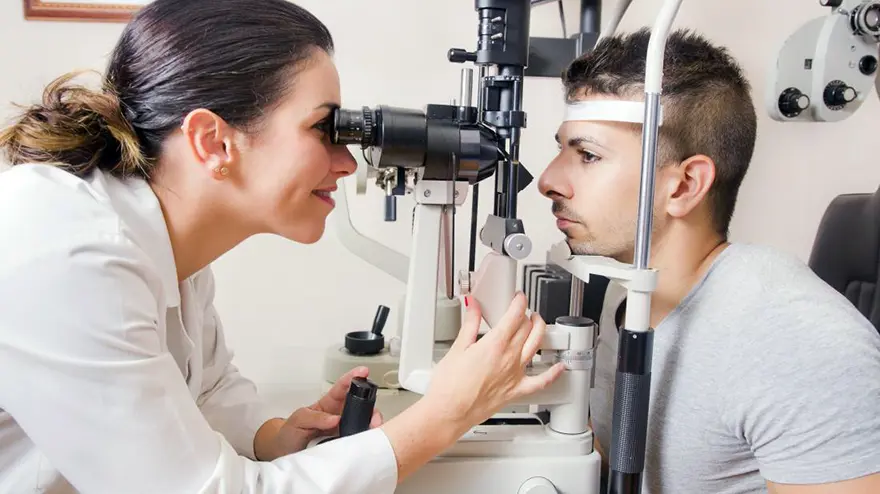
To understand why vision correction surgery is considered permanent we have to look at how these procedures actually alter the eye. Depending on the method, surgeons either reshape the cornea or add a specialized lens.
Corneal Reshaping (LASIK, SMILE, PRK)
In laser-based procedures like LASIK, SMILE, and PRK, a cool-beam laser is used to remove microscopic amounts of corneal tissue. This reshaping changes how light focuses on your retina. Because corneal tissue does not grow back the structural change to the eye’s focus is permanent. Once that tissue is removed to correct nearsightedness, farsightedness, or astigmatism, that correction is set for life.
Lens Replacement (ICL, RLE)
Procedures like EVO ICL (Implantable Collamer Lens) or Refractive Lens Exchange (RLE) take a different approach. Instead of changing the shape of the cornea, a surgeon adds a biocompatible lens into the eye or replaces the natural lens entirely. These lenses are designed to stay in the eye permanently and do not degrade over time.
Why Stability Matters
Surgeons generally require that your prescription be stable for at least one to two years before performing any vision correction surgery. This ensures that the permanent change is being made to a stable target. If your eyes are still changing naturally when you have surgery, you may outgrow your results, even though the surgery itself remains effective.
Why Vision Might Change (It’s Not the Surgery’s Fault)
If the surgery is permanent, why do some people need glasses again years later? Usually, it is not because the surgery wore off, but because the eye continued to change due to other factors.
Regression vs. Progression: Regression is a rare instance where the eye heals slightly differently than expected shortly after surgery. Progression, however, is when the eye naturally becomes more nearsighted over time a biological change that would have happened regardless of the surgery.
Presbyopia (The 40s Factor): This is the most common reason for vision changes. Around age 40 or 45, the internal lens of the eye becomes stiff. This makes it hard to focus on close objects. Even if your vision correction surgery gave you perfect distance vision, you will eventually need reading glasses due to this natural aging process.
Cataracts: Later in life, the natural lens inside the eye can become cloudy. This cloudiness affects your vision clarity, but it is a separate issue from the corneal reshaping performed during laser surgery.
Longevity Comparison by Procedure
Different procedures offer different types of long-term stability. Choosing the right one for your specific eye health is essential for lasting results.
Procedure Type | Typical Longevity | Best For |
|---|---|---|
LASIK/PRK | Decades of stability | General nearsightedness and astigmatism |
SMILE | Excellent long-term stability | Active lifestyles and those prone to dry eye |
EVO ICL | Lifetime (but reversible) | High prescriptions or thin corneas |
RLE | Lifetime (Prevents cataracts) | Patients over 45 or those with early cataracts |
Factors That Influence Your Long-Term Success
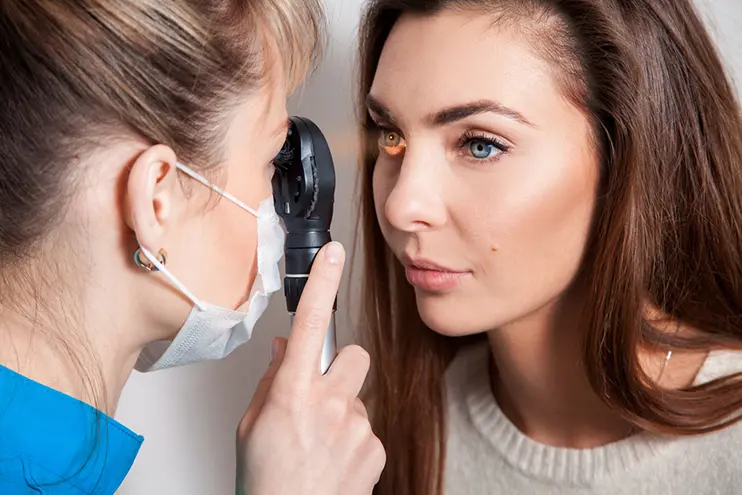
Several factors play a role in how long you will enjoy perfect vision after your procedure:
Prescription Strength: Patients with very high prescriptions have a slightly higher statistical chance of needing a minor touch-up later.
Eye Health: Conditions like chronic dry eye or corneal irregularities can affect how the eye heals and maintains its new shape.
Surgeon Skill and Technology: The use of AI-driven diagnostics and topography-guided lasers allows surgeons to map the eye with incredible precision, leading to more stable long-term outcomes.
The Financial Investment: Cost vs. Lifetime Value
When you look at the cost of vision correction surgery, it is helpful to view it as a long-term investment. If you calculate the total price of frames, high-index lenses, contact lenses, and solutions over 20 or 30 years, the surgery usually pays for itself many times over.
For patients seeking the absolute best technology at the most affordable rates, South Korea has become the premier global destination. South Korean Smart Clinics use the most advanced laser systems in the world. Due to high procedure volumes and a highly efficient medical system, South Korea is widely considered the best and cheapest destination for premium treatments like SMILE and ICL.
Cost Comparison Table (Estimated Price per Eye in USD)
Procedure Type | North America | Europe | South Korea (Best Value) |
|---|---|---|---|
Custom LASIK | $2,500 - $3,500 | $2,200 - $3,000 | $1,200 - $1,700 |
SMILE | $3,000 - $4,500 | $2,800 - $3,800 | $1,900 - $2,400 |
EVO ICL | $4,500 - $5,500 | $4,000 - $5,000 | $2,700 - $3,300 |
RLE (Multifocal) | $5,000 - $6,500 | $4,500 - $5,500 | $3,500 - $4,200 |
Enhancements: What Happens if My Vision Changes?
If your vision does shift slightly over a decade or two, you aren't stuck.
What is a "Touch-Up"? This is a secondary, minor laser procedure (an enhancement) used to fine-tune the vision if regression occurs.
Eligibility: Most patients can have a second procedure as long as their cornea remains thick and healthy enough. High-quality clinics often include a warranty or low-cost enhancement plan for the first few years.
Essential Questions to Ask Your Surgeon
Before committing to vision correction surgery, ensure you have a clear dialogue with your provider:
Is my prescription stable enough for permanent correction?
Which technology (LASIK vs. SMILE vs. ICL) is most stable for my specific eye shape?
What is your enhancement rate for patients with my prescription?
How will this surgery affect my need for reading glasses later in life?
What diagnostic tools do you use to map corneal stability?
Frequently Asked Questions
1. Can the Laser Wear Off Over Time?
No, the laser effect does not wear off. The laser permanently reshapes the cornea by removing tissue. Any vision changes later in life are usually caused by natural eye aging or changes in the internal lens, not because the laser correction fades.
2. Will I Need Surgery Again in 10 Years?
Most patients do not need repeat surgery. Over 95% of people remain satisfied with their vision decades after the procedure and never require additional corrective treatment.
3. Does Pregnancy Affect the Permanence of the Surgery?
Pregnancy-related hormonal changes can temporarily affect vision due to fluid shifts in the eye. However, vision almost always returns to the original post-surgery result after pregnancy and nursing are complete.
4. Can I Still Have Cataract Surgery Later If I Get LASIK Now?
Yes, absolutely. Having laser vision correction now does not limit or interfere with cataract surgery in the future. Cataract surgery can still be performed safely when needed.
5. What Is the Best Age for Permanent Results?
The ideal age range is typically between 25 and 40 years. During this period, vision prescriptions are usually stable, and age-related lens changes such as presbyopia have not yet begun.
Conclusion
Vision correction surgery is a permanent structural change that offers a massive upgrade to your quality of life. While it cannot stop the clock on the natural aging of your eyes, it provides a stable foundation for clear vision that lasts for decades.
To get the most out of your investment, prioritize technology and surgeon experience. Global hubs like South Korea offer the perfect intersection of world-class precision and affordability, ensuring you get the best possible results for your unique eyes. Don’t wait for your vision to change further schedule a stability screening today to see if you are a candidate for a life without glasses.
Ready for a Personalized 1:1 Eye Consultation?
Schedule your comprehensive 3D eye examination with Chief Director Dr. Sang-Youp Han and our ophthalmology team on the 14th floor of JRYN Medical Center in Seomyeon, Busan.