Jryn Eye Clinic Busan (Seomyeon) · SMILE LASIK · EVO+ Visian ICL · Cataract & Retina Center · Tel: +82-51-710-1004
en-US

1:1 Consultation
CLINICAL ARTICLE & GUIDE
Is LASIK Permanent? Truth vs. Myth
Discover the truth about LASIK eye surgery—how permanent it really is, what to expect long-term, and common myths debunked. Learn more before you decide!
Introduction: Framing the Question
Imagine waking up and seeing your world clearly—without fumbling for glasses or reaching for contact solution. LASIK has promised this freedom for decades in clinics across South Korea and beyond. But once the procedure is done—is it forever?
That’s what many patients ask. It’s an understandable question. In a country known for early eye care and high expectations, patients rightfully want assurance: "If I choose laser vision correction today, will my eyes stay clear tomorrow, next year, for life?"
Let’s explore what LASIK truly delivers—and what myths still swirl around this transformative procedure.
What “Permanent” Actually Means in LASIK
Structural Change vs. Visual Longevity
When we say LASIK is “permanent,” we refer to the structural reshaping of your cornea. During SMILE LASIK or standard LASIK, a tiny flap is created, the stroma is reshaped, and that change remains. It won’t reverse back on its own.
LASIK achieves this permanence by ablating microscopic layers of corneal tissue to change its focusing power. These changes are biomechanically stable when the procedure is properly planned and performed on a healthy cornea. Modern topography and tomography ensure that the reshaping avoids areas of biomechanical weakness, helping the result last for years to come.
However, permanent reshaping does not guarantee permanent visual clarity—vision continues to age, and subtle regression or natural changes like presbyopia can emerge later. In rare cases, especially with high prescriptions or thinner corneas, some refractive regression may occur. Studies show that only about 1–2% of patients require enhancement within the first year, and long-term stability (beyond 10 years) remains above 90% in most cohorts.
Age-related Shifts: The Inevitable Factor
Between our 40s and 50s, the eye’s lens stiffens—a condition known as presbyopia. Yes, even someone with perfect LASIK results in their 20s may need reading glasses later on. This has nothing to do with the cornea and everything to do with the internal crystalline lens.
And the onset of cataracts—the gradual clouding of the eye’s natural lens—can become noticeable in your 60s. Again, LASIK doesn’t stop these age-related processes, but it doesn’t interfere with later treatments like cataract surgery. If you eventually undergo cataract surgery, your previous LASIK history simply informs the choice of IOL power for best outcomes.
Technique Matters: SMILE vs. Traditional LASIK

The permanence of your results can also depend on which LASIK technique is used.
SMILE (Small Incision Lenticule Extraction) involves no corneal flap, preserving more corneal biomechanics and potentially resulting in even greater long-term stability.
Wavefront-guided LASIK addresses subtle visual imperfections and can yield more refined visual outcomes, especially in low light or for night driving.
It helps to think of LASIK as resetting the baseline of your vision. You're no longer near-sighted or far-sighted after the procedure, but your eyes are still biologically human—subject to time, strain, and natural evolution.
Dispelling Common Myths
Myth 1: LASIK Wears Off Like a Tire
Truth: LASIK doesn’t “wear down.” Once the laser removes corneal tissue, that tissue is gone—even if vision shifts, it's because of the ageing eye, not because the cornea is “undoing” itself.
Myth 2: You’ll Need Repeated LASIK
Some clinics advertise enhancements as if follow-up surgery is part of the package. But at Jryn Eye Clinic, we focus on achieving accurate results from day one. Most patients see 20/20 or better within weeks.
Enhancements are uncommon—often only 5–10% of cases—usually due to undercorrection, and these are most frequently identified within the first 12 months. We track visual acuity closely during the first year and advise only when a true benefit outweighs the risks.
Myth 3: LASIK Prevents Cataracts or Stops Reading Glasses
This is wishful thinking. LASIK only reshapes the cornea, addressing refractive errors like myopia, hyperopia, or astigmatism. Presbyopia or cataracts—conditions linked to the lens or aging—aren’t covered by this procedure.
It’s a common misunderstanding, especially among younger patients who believe LASIK is a lifetime shield. It's not. But it is a solid foundation for a life of clearer vision.
What Affects Long-Term Satisfaction?
Pre-Surgery Factors
Stable prescription: We recommend stable vision for at least 12 months.
Corneal thickness: Thin corneas may limit correction.
Dry eye risk: Preexisting dry eye is not a deal‑breaker—it’s diagnosed and treated before surgery.
Lifestyle expectations: Your daily routine matters—we consider whether you drive at night, work on screens, or spend time outdoors.
Surgical Precision
Using cutting-edge tools like SMILE LASIK, EVO ICL, and wavefront-guided lasers, we tailor each treatment:
SMILE is renowned for preserving corneal integrity and reducing dry eye symptoms.
Wavefront LASIK corrects higher-order aberrations, helping achieve sharper vision, night driving clarity, and overall satisfaction.
That precision translates into long-lasting comfort and clarity.
At Jryn, we invest in corneal topography, epithelial thickness mapping, and tear film analysis before we approve a patient for surgery. No shortcuts. These diagnostics allow us to fine-tune your candidacy and reduce the need for future enhancements.
Postoperative Care
Post-surgery checkups, including Day 1, Month 1, Month 6, and Year 1, help us identify even small visual shifts early. If enhancements are needed, they’re most safely done within 6–12 months, when healing is stabilized.
We also offer annual exams beyond the first year—especially for patients entering their 40s and 50s—to track presbyopia or early lens changes proactively.
When Enhancements Are Reasonable

Some patients ask, “Is enhancement part of the ‘permanent’ promise?”
Enhancements are not a sign of failure, but part of comprehensive care. At Jryn, if a patient shows residual refractive error—say, +0.75 D of hyperopia—a quick second touch-up can restore ideal vision.
But here's a key point: If a patient returns years later with changes due to aging—like presbyopia—enhancing LASIK wouldn’t help. In those cases, approaches like reading glasses, multifocal contact lenses, or even lens-based surgery might be more suitable.
We approach enhancements cautiously, only after detailed corneal mapping and functional testing. Safety always trumps speed. Even if a patient insists, we wait for full stabilization before considering another correction.
Advanced Therapies When LASIK Isn’t Enough
LASIK is excellent for many—but not all—eye conditions. Here’s what else Jryn Eye Clinic offers:
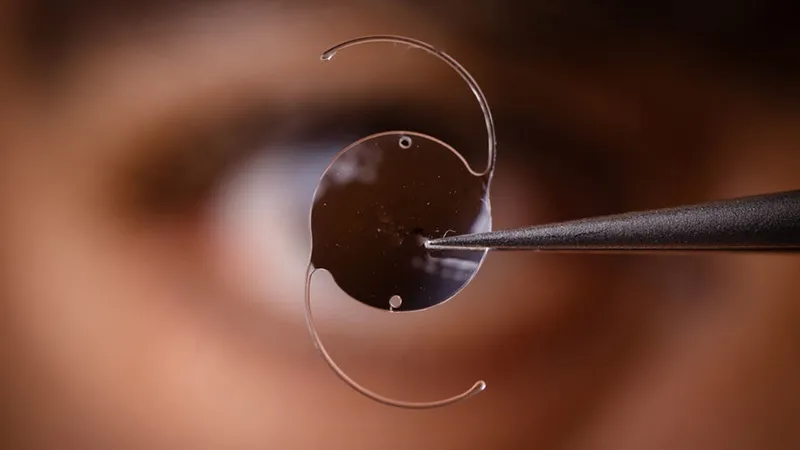
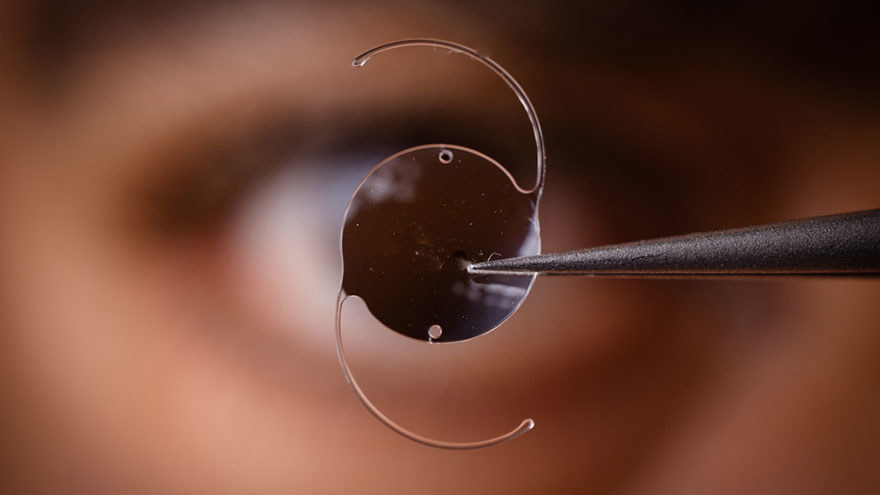
EVO ICL (Implantable Collamer Lens): Ideal for very high myopia or thin corneas—no corneal tissue removed, and reversible if needed.
Presbyopia solutions: Options like monovision LASIK, accommodating IOLs, or refractive lens exchange for patients in their 50s+ seeking reading freedom.
Cataract management: Pre-surgical diagnostics, advanced laser-assisted cataract removal with premium IOLs, and precise postoperative plans—even for eyes that previously underwent LASIK.
What makes Jryn unique is our continuity of care. We don’t just do LASIK and wave goodbye. We guide patients through the entire lifecycle of their vision—from early myopia to cataracts, and everything in between.
To Be Honest: What Patients Might Still See
Night vision halos or glare can happen if pupils are large in dim light. Most patients adapt—some enhancements or wavefront adjustments may help.
Dry eye: Common right after surgery, especially if you already have dry eye syndrome. We treat this proactively with thermal therapies, punctal plugs, and medicated drops.
And yes, a small number of patients may experience temporary double vision or light sensitivity. These are manageable with follow-up care, but it’s why we never rush screening. At Jryn, we believe in full transparency—no surprises.
If you’ve read LASIK horror stories online, remember: these are exceptions, not the rule. A clinic with rigorous screening, the right technology, experience, and personalized care—like Jryn Eye Clinic—makes a meaningful difference.
Real Patient Story: A Shared Journey
"Mrs. Kim, a 48-year-old teacher from Gijang, came to us wearing +3.00 D glasses for hyperopia. She wanted to stop reaching for reading specs. After wavefront LASIK—designed for crisp distance vision and gentle near clarity—she’s been free from glasses for education and travel. She still uses a +1 reading glass at night, but her world feels brighter and simpler."
It reflects the real outcome: great freedom, even if absolute perfection (ideal reading at 60) isn’t guaranteed forever.
We follow up with Mrs. Kim every year to track her lens health and ensure early detection of any presbyopia or lens opacities. Her case is a good example of LASIK success coexisting with natural aging.
Conclusion: Clear Eyes, Informed Choices
LASIK isn’t just about fixing your vision—it’s about shaping how you move through life. And while the corneal reshaping is permanent, the journey of your eyes doesn’t pause. Aging, lifestyle, and even small anatomical changes continue, and your vision evolves with them.
That’s why where you get your LASIK matters just as much as the procedure itself. At Jryn Eye Clinic, we don’t promise “forever” in unrealistic terms—we offer a lifelong partnership built on precision, transparency, and trust.
Ready for a Personalized 1:1 Eye Consultation?
Schedule your comprehensive 3D eye examination with Chief Director Dr. Sang-Youp Han and our ophthalmology team on the 14th floor of JRYN Medical Center in Seomyeon, Busan.